Gold is the metal most of us picture when we think of fine jewellery, yet it appears in a surprising range of shades. In Hatton Garden, London's historic diamond quarter in EC1N, the workshops along Greville Street and Leather Lane fashion gold in yellow, white, rose and several rarer tones, each created by alloying pure gold with different metals. Understanding the colours of gold helps you choose a piece that suits your skin tone, your style and the design you have in mind. Whether you favour the warmth of tradition or the cool of something more modern, knowing how each shade is made puts you in a stronger position when you visit the quarter's jewellers.
Yellow, white and rose gold
Yellow gold is the classic. It carries the highest proportion of pure gold among the coloured alloys and offers that warm, radiant hue prized for centuries. It suits both traditional and contemporary designs, which is why it remains a staple in any gold and platinum jewellery collection.
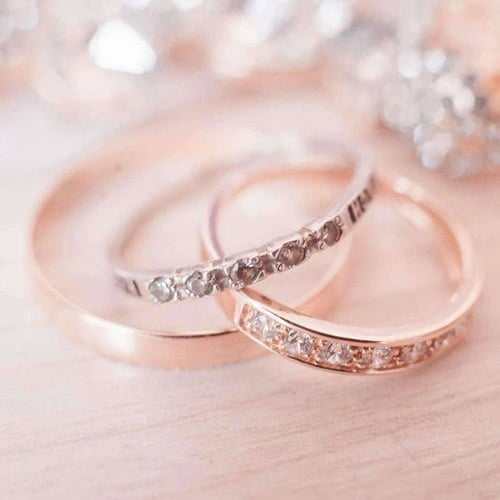
White gold, alloyed with metals such as palladium and finished with rhodium plating, gives a bright, modern look reminiscent of platinum. Rose gold, blended with copper, takes on a soft pink tone that lends a vintage, romantic feel to precious metals of every kind.
Grey, green and the rarer alloys
Beyond the familiar trio sit several unusual shades. Grey gold is typically made by combining gold with palladium, often at 18 carat purity, producing a subtle, sophisticated finish.
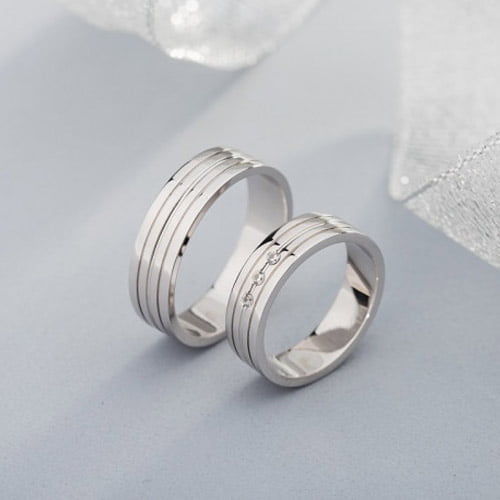
Green gold, sometimes called electrum, is a natural alloy of gold and silver. The silver content tempers the warmth, giving the metal a soft greenish-yellow cast. These rarer tones are favoured by designers seeking something distinctive for a bespoke commission.
Choosing the right shade for your piece
There is no single best colour. Yellow gold remains the most popular and the most readily available across purities, from everyday 9 carat pieces to richer 18 and 22 carat designs. White gold has dominated engagement and wedding rings for years, while rose gold continues to win admirers across the whole range of jewellery.
Whichever shade you prefer, every gold item sold in the quarter should carry a hallmark applied by the London Assay Office, confirming its purity. The jewellers around Chancery Lane, Holborn and Farringdon can show you each colour side by side so you can judge in natural light.
Fun fact: Pure 24 carat gold is so soft you could mark it with a fingernail, which is why it is alloyed with other metals before being worn.
From classic yellow to the rarest green, the colours of gold offer something for every taste. Visit Hatton Garden to see the full spectrum before you decide.
Continue Reading
The Hatton Gazette
Delivered weekly to your inbox
Join 12,000+ Hatton insiders