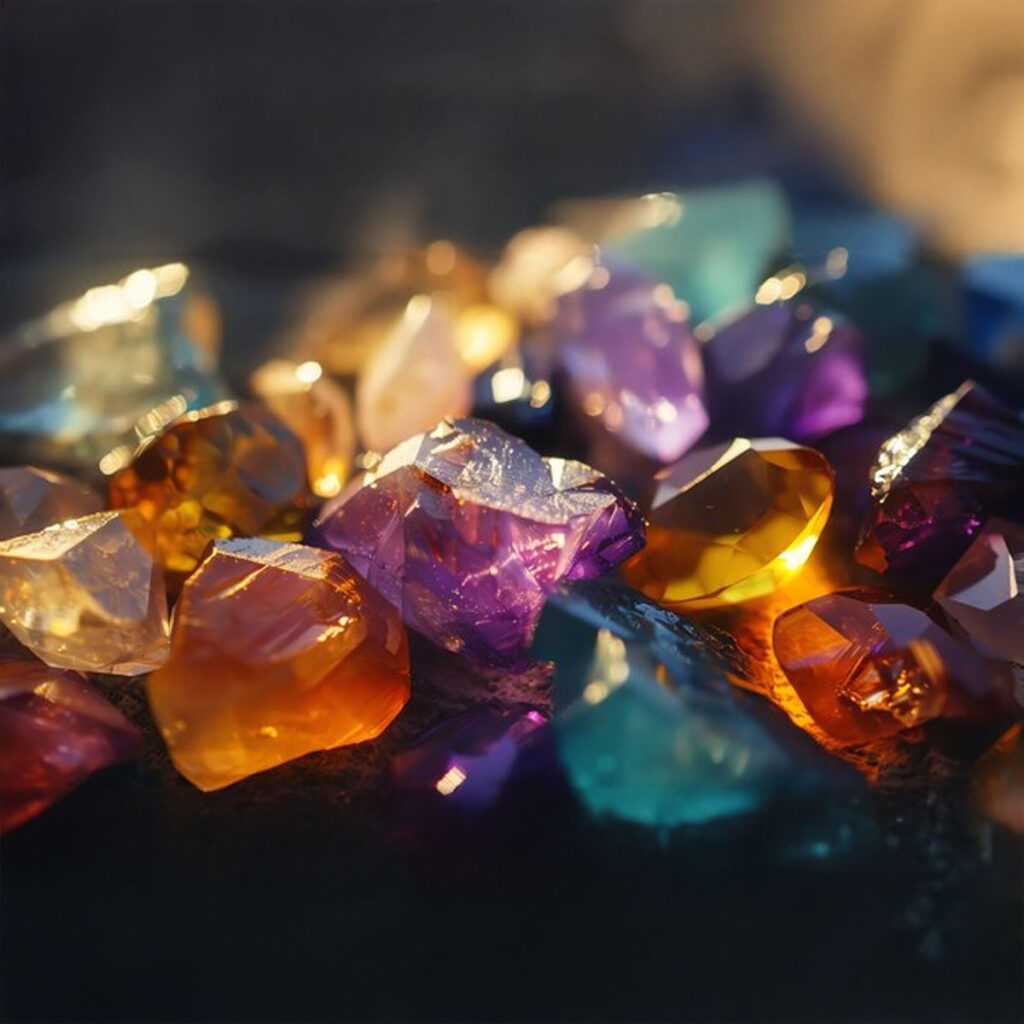
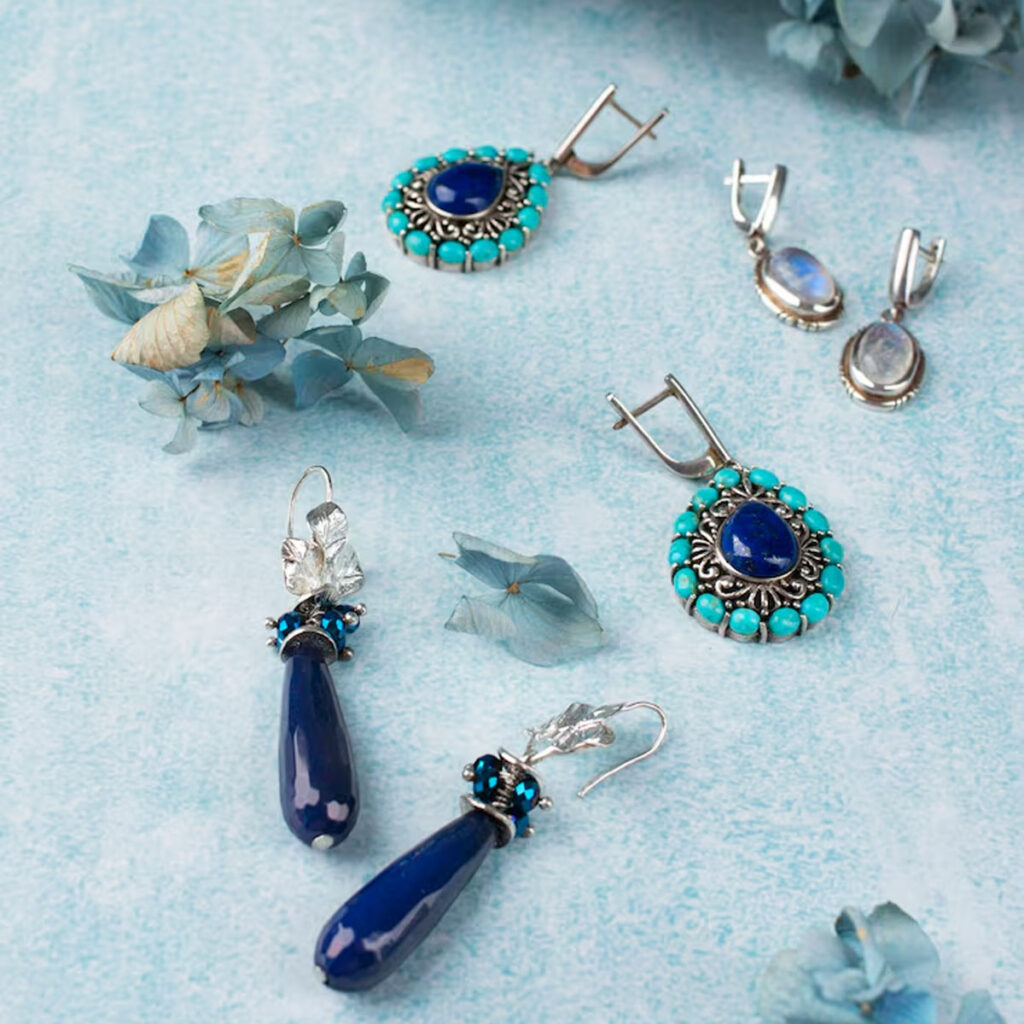
The first time you glimpse a fine pink sapphire loose on a gem tray, its colour seems to glow from within, as though rosy light has been folded into crystal. That glow is more than ornament; it reflects the growing taste for coloured stones among couples who want symbolism and individuality to live alongside durability and worth, in an era when consumers read lab reports as carefully as wedding menus, the pink sapphire answers with scientific credibility, geological pedigree and a hue that captures affection without cliché. It also speaks fluently to the United Kingdom’s design heritage, balancing stately elegance with fresh personality. We explore why this stone has raced from niche curiosity to headline feature in Hatton Garden windows, and how an informed buyer can select a specimen that will remain radiant long after the confetti is swept away.
What Defines a Pink Sapphire
Belonging to the corundum family, pink sapphire is chemically aluminium oxide, toughened by immense geological pressure. In its pure state corundum is colourless; the presence of trace chromium nudges the crystal towards pink, while a heavier dose tips it into ruby territory. This chromatic fine line explains why gem laboratories wield spectroscopes rather than marketing copy when labelling pieces. On the Mohs scale corundum registers 9, beaten only by diamond, so a pink sapphire resists the scratches that can dull softer gems such as morganite or tourmaline. That resilience means an engagement ring set with pink sapphire will take daily knocks, whether the wearer is commuting on the Elizabeth line or nursing a flat white in Shoreditch, without the anxiety that accompanies many pastel‑toned alternatives.
Key Mineral Facts
| Attribute | Detail |
| Mineral species | Corundum |
| Chemical formula | Al₂O₃ |
| Colour agent | Chromium |
| Mohs hardness | 9 |
| Refractive index | 1.762 – 1.778 |
A Gem For Contemporary Romance
London’s appetite for coloured centre stones surged once buyers realised they could secure personality without sacrificing quality. Madagascar’s 1990s discoveries opened supply lines, yet stones of investment grade remain scarce enough to feel exclusive. The National Association of Jewellers reported that, while overall diamond solitaire sales dipped 3 % in 2024, coloured sapphire engagement ring sales rose 11 %. Within that cohort, the pink palette led the charge, helped by a fashion cycle that placed blush florals and rose‑toned table décor at the centre of British wedding styling. Celebrities quickened the effect: when a well‑known singer announced her engagement on Instagram with a vivid 2 ct pink sapphire, searches for “pink sapphire engagement ring” spiked by 450 % overnight.
For the retailer, the commercial appeal is clear. A pink sapphire offers the prestige of corundum at a price below equivalent saturation ruby and far below the legendary, fragile pink diamond. For the wearer it promises sentiment and rarity in equal measure, all housed in a stone that can survive half a century of school runs, gardening and celebratory Champagne pops.
From Deep Earth To Display Case
Every pink sapphire began as molten aluminium and oxygen forced into gaps of metamorphic rock where chemistry, pressure and patience coaxed molecules into crystals. Temperatures above 2,000 °C melted the mixture; cooling, sometimes over millions of years, locked chromium atoms into the lattice. Later tectonic shifts propelled the host rock upwards, where erosion freed the stones into river gravels or left them embedded in marble pockets.
Miners recover these gems either by washing river sediments or tunnelling directly into primary deposits. Once extracted, the rough stones travel to cutting hubs, typically in Thailand or Sri Lanka, where expert lapidaries orient each crystal so the deepest colour shows through the table facet. A poorly angled cut can thin the face‑up pink or leave a grey window at the gem’s heart, so refinements during faceting decide whether the rough becomes a £300 curiosity or a five‑figure masterpiece bound for a Mayfair showroom.
Signature Sources And Their Character
Although pink sapphires surface in several countries, London jewellers tend to showcase stones from three provenances because each carries a narrative that resonates with clients.
Madagascar
Ilakaka’s rush transformed an empty desert plain into a bustling mining town and delivered a cornucopia of pinks ranging from ballet‑shoe pastels to shocking fuchsia. Madagascan material often displays a subtle purple modifier prized by contemporary designers who favour gemstone‑rich colour stories. Clarity is generally high, helping stones exceed the brightness expected from their pastel neighbours in other locations.
Sri Lanka
Ceylon sapphires have lured traders for over two millennia. Stones from the Ratnapura region are celebrated for a vivid yet delicate candy‑floss hue that appears almost electric under natural daylight. Their brilliance comes partly from a high refractive index and partly from the island’s tradition of “native” cutting, which prioritises light return over carat weight. Many antique Victorian pieces still glitter with these gems, proving longevity both aesthetic and structural.
Myanmar
Burmese pink sapphires remain scarce due to limited mining and political complexity. When fine examples do reach the London market they tend to show a paler pink with charming silk inclusions that soften the internal glow. Connoisseurs value them for romantic history rather than outright saturation, and seasoned collectors relish the chance to own a corundum born near the legendary Mogok ruby fields.
Fun Fact: Some pink sapphires fluoresce under ultraviolet light, emitting an electric red flash that can make a nightclub proposal literally light up the room.
Colour Spectrum And Grading Fundamentals
Colour drives price more than any other attribute. Gem laboratories dissect hue, tone and saturation to build a shared vocabulary, yet a buyer’s eye ultimately decides which stone feels alive.
- Hue: pure pink leads demand, but secondary purple can add appealing richness, while an orange hint edges towards the rare Padparadscha zone.
- Tone: medium‑light to medium‑dark stones balance brightness and depth. Too light appears washed, too dark borders ruby and may lose sparkle.
- Saturation: stones labelled “vivid” by the GIA command premiums because their colour remains intense even in dim restaurant lighting.
When comparing two gems of similar size, a jump in saturation category can treble the price. That is why a 1.5 ct stone classed “strong vivid pink” with excellent cut might cost more than a 2 ct pastel of average tone. Clients seeking investment should prioritise saturation first, carat second and clarity third, always ensuring the piece is eye‑clean in daylight.
Why Heat Treatment Is Standard
Rough corundum often shows bluish or brownish casts. Controlled heating, common practice since antiquity, dissolves silk inclusions and refines colour by realigning trace elements. The result is a stable, permanent improvement widely accepted within the trade, provided that full disclosure accompanies the sale. Unheated stones with comparable intensity are unicorns; when they appear they double or triple per‑carat cost, making certification essential. A reputable Hatton Garden jeweller will provide a GIA report confirming whether the stone shows “no indications of heating” or “evidence of heating”.
For the buyer the decision pits rarity against aesthetics. A flawless unheated gem writes a purist’s story of untouched beauty; a perfectly heated stone delivers spectacular colour at a friendlier budget. Both choices are correct, provided the client knows which path they follow.
Setting The Stage
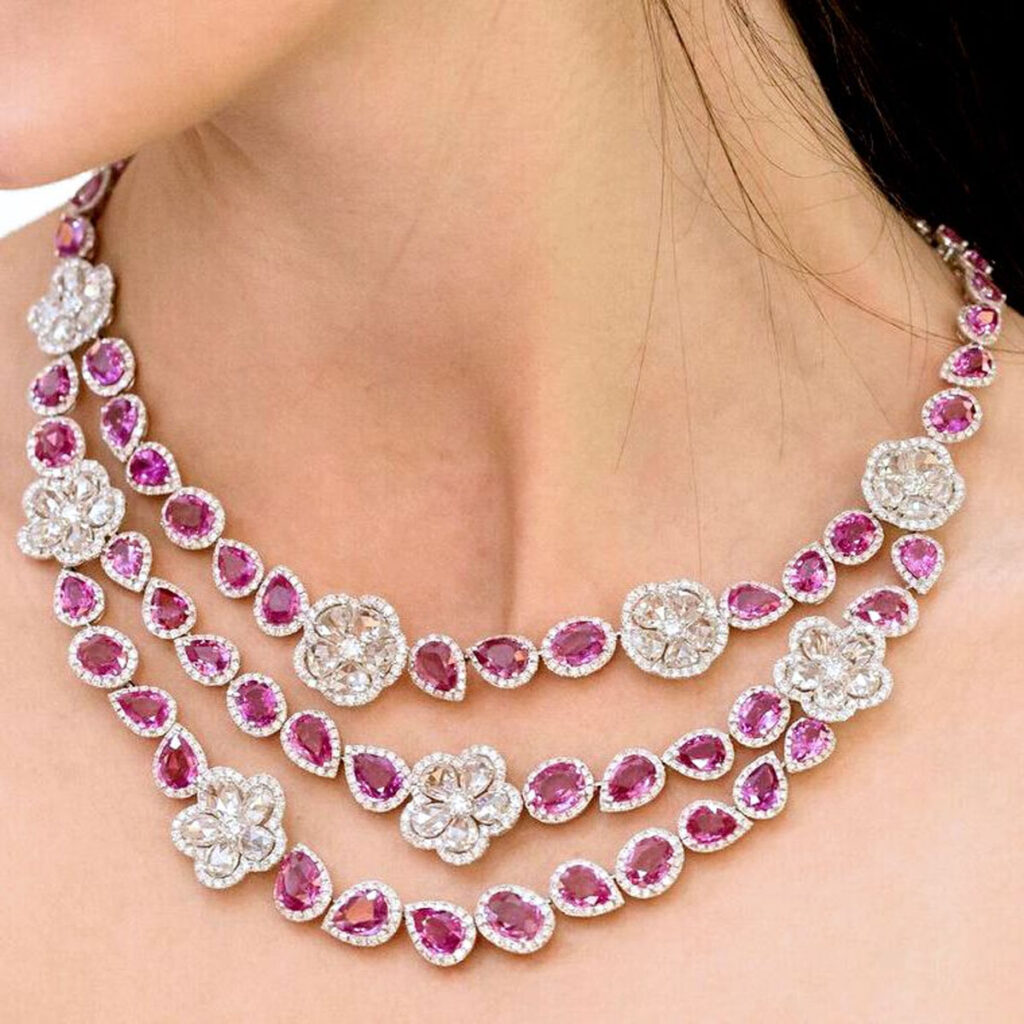
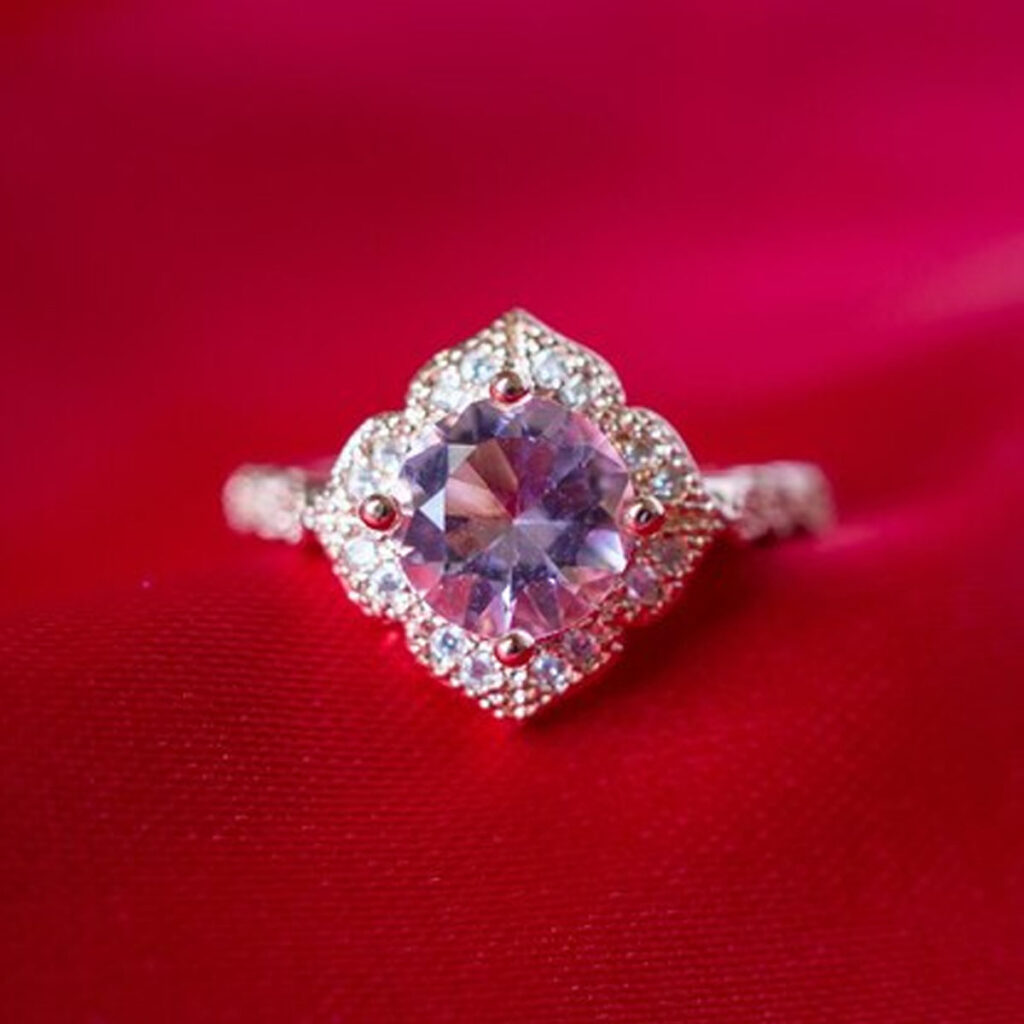
Metals frame the gem and influence perceived hue. Rose gold deepens warm undertones for a wholly romantic impression, platinum sharpens contrast for a contemporary edge, and yellow gold lends classical gravitas. Engagement clients often visit our showroom with screenshots of celebrity rings; we encourage them to view loose stones against each metal under multiple light sources, from cool LED to soft Essex sunset, before deciding. For everyday wear, a six-claw solitaire offers unrivalled security, yet halo and three-stone layouts can amplify scale without inflating carat weight.
Understanding Price In Context
The economics of coloured gems are nuanced because every stone is unique. Yet certain principles guide valuation and empower buyers to judge fairness before emotion takes over the conversation. A dealer first weighs the relative influence of colour, clarity, cut and carat weight. With pink sapphire, colour dictates the largest slice of the price tag; a one‑carat example graded “vivid strong pink” can out‑price a paler three‑carat piece even when other qualities match. Supply also matters. Top‑end Madagascan material in vivid magenta is scarcer each year, so London merchants pay premiums at source and pass the increase to the retail counter. If you track pink sapphire price tables over five years you will notice that fine stones have appreciated at an annualised rate close to high‑grade gold bullion. That trajectory supports the gem’s position as both adornment and asset.
Comparing Pink Sapphire With Ruby And Other Contenders
Clients often arrive clutching a print‑out that pits pink sapphire against ruby, morganite or tourmaline. A side‑by‑side inspection answers the debate quickly. Ruby, sharing the corundum chemistry, carries even stronger saturation thanks to heavier chromium. The top one per cent fetches figures usually reserved for Piccadilly penthouses. Still, those prices escalate chiefly because of rarity rather than superior wearability. Morganite belongs to the beryl family and sits softer on the Mohs scale. Its peach blush can look beautiful under showroom spotlights yet it may cloud or scratch after a decade of daily knocks. Pink tourmaline offers vibrant hue at a lower entry price. However, its toughness is lower and it can be prone to chipping on exposed edges. In other words, only pink sapphire balances prestige, strength and vivid hue in equal measure – a balance that explains its dominance of the coloured engagement market.
Quick Reference Comparison
| Gem | Hardness (Mohs) | Typical Colour | Investment Profile |
| Pink sapphire | 9 | Pastel to vivid magenta | Strong, rising |
| Ruby | 9 | Red through pigeon‑blood | Very strong, limited supply |
| Morganite | 7.5 – 8 | Soft pink or peach | Fashion driven |
| Pink tourmaline | 7 – 7.5 | Light to hot pink | Moderate, larger deposits |
Symbolism For Twenty‑First Century Love
Stories carry weight. Centuries ago the sapphire was regarded as a guardian of fidelity and wisdom. The rosy variant deepens that association with tenderness and compassion. When a couple selects a pink sapphire engagement ring they embed modern values – emotional intelligence, gentleness backed by strength – within age‑old lore. Eastern cultures link the colour to the lotus flower, a sign of moral growth rising above circumstance, which resonates with partners who have supported each other through challenging times. Brides often mention that the gem “feels optimistic”, a sentiment intangible yet powerful when a ring is worn every day.
Victorian high society believed a pink sapphire worn close to the heart would calm tempers at home, a nineteenth‑century take on anger management in rose quartz form.
Marking Milestones
Sapphire is the traditional gift for fifth and forty‑fifth wedding anniversaries, placing pink sapphire on every luxury‑brand shortlist when couples celebrate half a decade or nearly half a century together. September birthdays present another occasion for pink sapphire, giving friends a chance to move beyond the blue convention while staying within birthstone tradition. The stone now appears in signet rings, cufflinks and eternity bands, broadening its appeal beyond the bridal case to any year that calls for significance wrapped in colour.
Treated Or Untreated – Making An Informed Choice
Most pink sapphires undergo heat exposure to lift clarity and refine hue. The procedure is permanent and accepted by trade bodies worldwide, provided it is disclosed. A buyer who favours untouched material should seek the phrase untreated pink sapphire on a report. Expect scarcity and double‑digit price multiples when size and colour align. Whether treated or not, authenticity is paramount. Always request a GIA report or equivalent from a respected laboratory. The document will confirm identity, weight, measurements and any detectable treatment. Certified origin adds further context and value; “Madagascar” or “Sri Lanka” printed on that line creates confidence that lingers long after the sales receipt fades.
Ethical Sourcing And Responsible Luxury
Discerning clients increasingly ask where, how and by whom a gemstone was mined. Reputable Hatton Garden houses insist on fully documented supply chains. Stones are sourced from operations adhering to local labour regulations and environmental responsibilities. Madagascar provides a leading example: community‑backed cooperatives in Ilakaka now partner with international NGOs to fund schooling and healthcare in return for legitimate mining licences. Sri Lanka’s gem industry runs under a government auction system that discourages conflict trading. By choosing a jeweller who participates in transparent sourcing frameworks, the customer aligns luxury with conscience.
Design Nuance – From Sketch To Finished Jewel
Pink sapphire thrives in a spectrum of metals. Rose gold creates harmony, platinum injects crisp contrast and yellow gold delivers stately warmth. More critical than metal is the setting style. Prong‑set solitaires reveal maximum light return. Halo arrangements, especially those alternating diamond and tiny pink sapphire melees, enlarge the visual spread without a weight penalty. Trilogy rings remain popular among couples who appreciate a narrative: past, present, future anchored by a vibrant centre. For wearers with an active lifestyle a bezel or semi‑bezel mount shields girdle edges from accidental impact. During a bespoke consultation jewellers often employ computer‑aided design so clients can rotate the model on screen, adjusting claw height or pavé coverage until the proportions match personal taste and comfort.
Care And Maintenance For A Lifetime Of Wear
Although tough, pink sapphire deserves routine attention. Clean the stone every fortnight in warm, mild soapy water, scrub gently with a soft brush, then rinse and dry with lint‑free cloth. Ultrasonic machines are safe for heated stones that lack surface‑reaching fractures. Yet, an unheated or cavity‑filled specimen should be cleaned only under professional guidance. Secure claws should be inspected annually. Many Hatton Garden ateliers offer complimentary check‑ups – a prudent investment of ten minutes that can forestall the much longer search for a dislodged gem on the kitchen floor. Store the ring away from diamond jewellery to prevent scratches, as diamond’s superior hardness will abrade corundum on direct contact.
Consultation Checklist – Questions To Secure Peace Of Mind
- May I view the stone under both daylight and showroom lighting?
- How would you describe its hue, tone and saturation in laboratory terms?
- Are the inclusions visible to the naked eye or only under magnification?
- Is the stone heated or unheated, and where is this recorded on the report?
- Can we discuss the gem’s origin and what it means for long‑term value?
- Which metal and setting would best protect the girdle for daily wear?
- What is your resizing and lifetime care policy?
- Are your supply partners audited for ethical and environmental standards?
Bringing this list to your appointment keeps the conversation focused on fact rather than sales patter. A professional jeweller welcomes such diligence – transparency builds trust and repeat business.
Conclusion – A Legacy Cast In Rose Light
A pink sapphire marries science and sentiment the way a vaulted cathedral marries engineering and prayer. Hardness shields the delicate hue, charisma reaches further than white diamond monotony and scarcity sustains value across generations. Select with your head, led by laboratory evidence and ethical practice, then wear with your heart, knowing the stone echoes every celebration it witnesses. Madagascar pink sapphire or Ceylon pastel, oval or cushion, halo or solitaire – the choices become chapters in a family narrative that may one day sit on the hand of a granddaughter telling her own story of modern British love. As the old saying reminds us: “Fine things are difficult.” Yet difficulty conquered is the essence of worth.