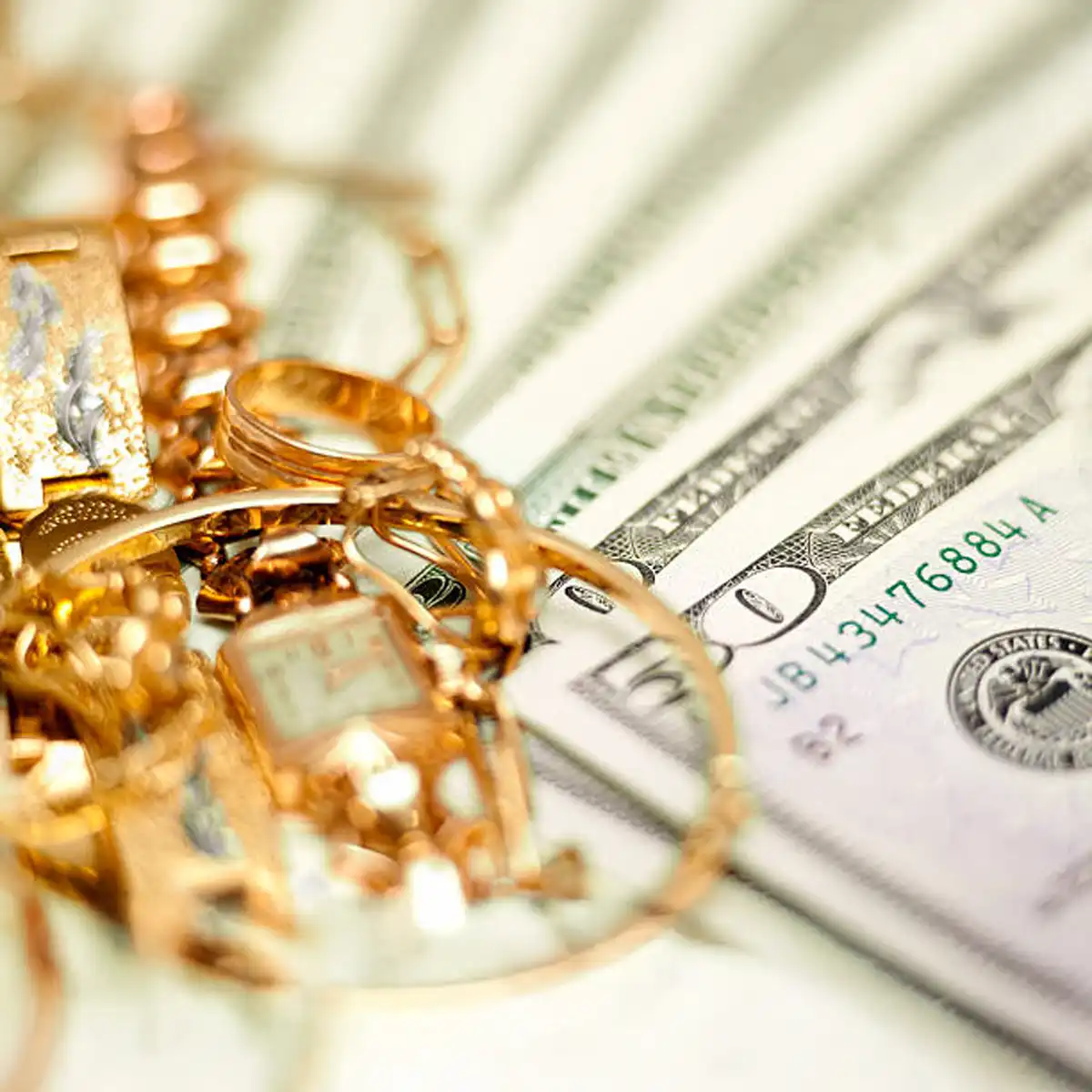
Gold and diamond prices remain resilient in 2025. If you have pieces you no longer wear, turning them into cash is straightforward in Hatton Garden. You will find expert buyers, same day offers, and secure payment. With a little preparation you can maximise price and complete the sale in one visit. sell unwanted jewellery
What buyers value most
- Precious metal content. Weight and purity determine the floor price for gold, platinum, and silver items.
- Gemstone quality. Diamonds and coloured stones are assessed on cut, colour, clarity, and carat.
- Condition and provenance. Original boxes, receipts, and grading reports can lift offers.
- Brand and design. Signed pieces from recognised houses often achieve a premium.
Prepare before you visit
- Gather paperwork. Bring diamond or gem certificates, valuations, receipts, service records, and any warranty cards.
- Clean gently. Use mild soapy water and a soft brush. Avoid harsh chemicals.
- Separate scrap from saleable pieces. Broken chains still hold metal value. Intact signed items may merit resale pricing, not melt value.
- Photograph each item. Keep a record of what you bring.
- Bring valid photo ID. Buyers must meet anti money laundering checks.
Get competing valuations
Visit at least 2 or 3 reputable buyers and ask for written quotes. Polite competition improves outcomes. In Hatton Garden, long established names include:
- Holts Jewellers. Bespoke specialists buying gemstone jewellery across eras. Book an appointment for a full inspection.
- Heming London. Offers outright purchase or part exchange. You can attend in person or use insured post. Confirm cover for full replacement value before sending.
Tip: When comparing offers, note the metal price basis used, any deductions for repairs, and the fee structure for stones removed from mountings.
Understand pricing
- Gold and platinum. Daily prices track global markets. Buyers quote on purity: 9ct, 14ct, 18ct, 22ct, and 24ct for gold; 950 for platinum. Heavier, higher carat pieces pay more.
- Diamonds. Price rises with carat weight but jumps at key thresholds such as 0.50 ct, 1.00 ct, and 2.00 ct. Strong cut grades can add value. Fluorescence or noticeable inclusions can reduce offers.
- Coloured stones. Natural, unheated rubies and sapphires with credible lab reports can achieve a premium. Treated or synthetic stones trade lower.
- Signed pieces. Jewellery from houses with strong secondary market demand may be priced above intrinsic metal and stone value.
If you need an insurance style valuation, request it separately. Insurance figures are not the same as a cash purchase offer.
Choose how to sell
Face to face, same day.
Best for speed and certainty. Book ahead, bring ID, and expect testing of metal and a quick assessment of stones.
Consignment.
If you have a rare or branded piece, a specialist can market it on your behalf. This takes longer but may achieve a higher net price after commission.
Auction.
Suitable for distinctive or period items. Factor in seller’s fees, photography, and marketing charges. Settlement takes longer.
Postal service.
Only use insured, trackable methods and clarify the valuation process in writing. Photograph items and packaging, and keep serial numbers where relevant.
How a typical appointment works
- Registration and ID check.
- Metal testing and weighing in front of you.
- Stone assessment. Some buyers may suggest unsetting stones for accurate grading. Confirm costs first.
- Firm offer. You can request the offer in writing to compare elsewhere.
- Payment. Many offer bank transfer while you wait. Some offer cash within legal limits.
When part exchange makes sense
If you plan to upgrade an engagement ring or buy a new watch, part exchange can stretch your budget. A retailer may offer a stronger figure on your trade in than a cash buyer, recouped through the margin on your new purchase. Always compare like for like against an outright cash sale plus a separate purchase.
Documentation that helps
- Diamond grading reports from GIA, IGI, or HRD.
- Hallmarks and maker’s marks.
- Servicing or repair invoices.
- Original boxes and papers for branded items.
Missing papers do not block a sale, but good documentation supports stronger offers.
Fair dealing and security
Choose buyers with a permanent Hatton Garden presence, clear testing in view, and transparent scales. Ask whether their quoted metal price is fixed on arrival or varies with intraday markets. For postal sales, insist on recorded testing and a written offer you can accept or decline without pressure.
Frequently asked questions
Can I sell broken jewellery.
Yes. Scrap pieces are valued for metal content.
Will I get more for platinum than gold.
Not always. It depends on purity, weight, market price on the day, and resale demand.
Do I pay tax on proceeds.
Rules can apply to valuable single items. Seek independent advice if you are selling high value pieces.
Can I sell if I do not have certificates.
Yes. Certificates help, but buyers can test metal and assess stones.
How quickly will I be paid.
Many buyers pay by instant bank transfer once you accept the offer.
Where to start in Hatton Garden
Begin with a shortlist, set appointments, and bring everything in one organised pouch. Holts Jewellers and Heming London are longstanding options for valuations and offers, alongside other reputable Hatton Garden buyers. If you are unsure which route suits your piece, ask for both a cash offer and a consignment estimate before you decide.
For our most complete and up-to-date advice on this topic, read our guide to selling gold and jewellery in London.
Continue Reading
The Hatton Gazette
Delivered weekly to your inbox
Subscribe for the latest from Hatton.