For generations, the white diamond has symbolised engagement, elegance, and wealth. Its colourless perfection defined the ideals of luxury. Yet, 2026 has redrawn the landscape. Today’s discerning buyers, a select group of individuals, are turning to stones that express personality rather than conformity. Black diamonds and high-value coloured gemstones are no longer curiosities; they are the new language of self-expression and modern prestige, a trend that only a few are privileged to be a part of.
Across Hatton Garden, Britain’s historic jewellery quarter, jewellers are witnessing a profound shift. Clients no longer want uniform brilliance. They want individuality, craftsmanship, and provenance. The modern collector values pieces that blend investment potential with emotional authenticity, a sentiment that resonates with many in the industry. This movement marks a jewellery revolution, not a passing trend, a deliberate choice to celebrate colour, texture, and contrast in precious materials.
From the mysterious depth of black diamonds to the radiant blues, greens, and reds of fine sapphires, emeralds, and rubies, 2026’s high-end buyers are reshaping what luxury means. This guide from Smith & Green Jewellers examines the aesthetic, financial, and ethical forces driving this change, exploring why unconventional stones have become the cornerstone of bespoke design.
Black Diamonds Redefining Modern Aesthetics
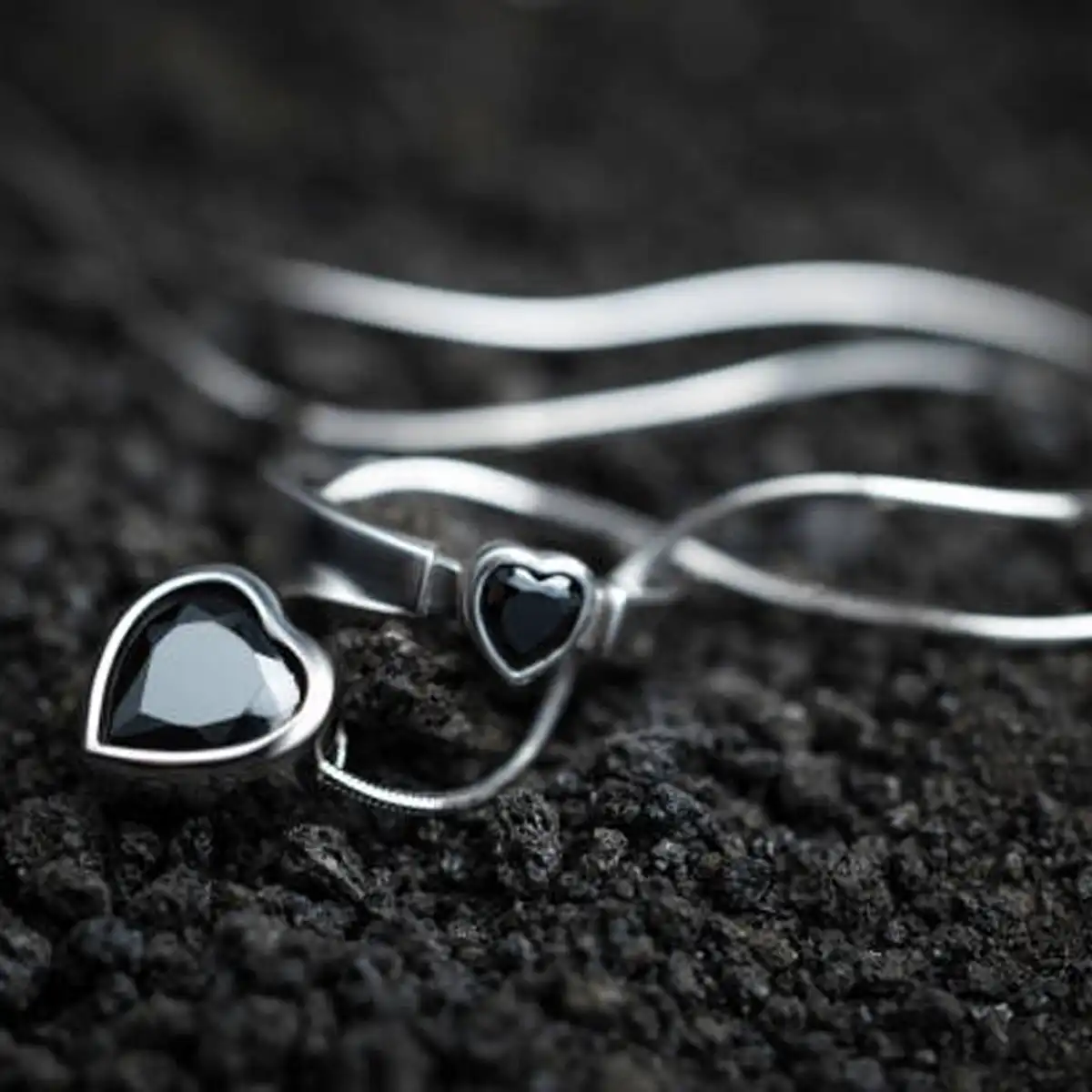
The black diamond occupies a unique space in contemporary jewellery. Its opaque darkness, natural texture, and metallic sheen give it a commanding presence. It appeals to those who appreciate subtle strength and minimalism over sparkle. Once overlooked, it is now one of the most sought-after stones for bespoke men’s jewellery and unconventional engagement rings.
Understanding Valuation Beyond the 4Cs
The familiar 4Cs judge traditional white diamonds cut, colour, clarity, and carat weight. Black diamonds, however, break that framework entirely. Their beauty lies in uniform colour and surface lustre, not transparency or fire.
- Carat Weight: Larger stones carry substantial visual impact and rarity value.
- Colour Uniformity: The depth and consistency of the black tone determine appeal.
- Lustre: A mirror-like polish enhances the distinctive, liquid surface effect.
Because black diamonds are opaque, clarity is irrelevant. Their worth depends instead on craftsmanship, origin, and whether they are natural or treated. While per-carat prices are typically lower than those of premium white diamonds, collector interest in large, certified natural stones is climbing sharply in 2026, particularly for bespoke engagement and statement designs.
Natural vs Treated Stones: Transparency and Trust
Authenticity is paramount. Most black diamonds on the market are treated stones, created by irradiating and heating lower-grade white diamonds to achieve a solid black appearance. This process produces durable, stable colour at an accessible cost.
However, truly natural black diamonds — known as Carbonado — are geological rarities. Formed under extreme pressure, often containing graphite inclusions, they appear denser and more organic than their treated counterparts. They may be porous or irregular in texture but command higher prices when accompanied by authoritative certification from recognised gem laboratories.
Buyers must insist on disclosure of treatment and source. Transparent documentation ensures not only authenticity but also long-term investment credibility, providing a sense of reassurance and confidence in the industry's integrity.
Setting and Craftsmanship Challenges
Black diamonds, especially natural Carbonado, require technical precision in mounting. Their polycrystalline structure can make them more brittle than white diamonds. Expert setters mitigate risk through:
- Protective Designs: Full bezel or six-prong settings evenly distribute pressure.
- Controlled Mounting: Measured force prevents surface fracturing.
- Metal Selection: Platinum and titanium provide strength and tonal contrast.
These details matter. The handling of a black diamond is as much an art as it is engineering. Each securely mounted stone represents the jeweller’s technical mastery — a harmony of strength, proportion, and restraint.
The Coloured Stone Investment Triumvirate
The global jewellery market in 2025 reveals a sharp rise in the value of certified coloured gemstones. Among them, three stand as pillars of serious investment: sapphire, emerald, and ruby. Their appeal lies in the fusion of visual intensity, traceable origin, and scarcity.
Sapphires: The Enduring Blue Legacy
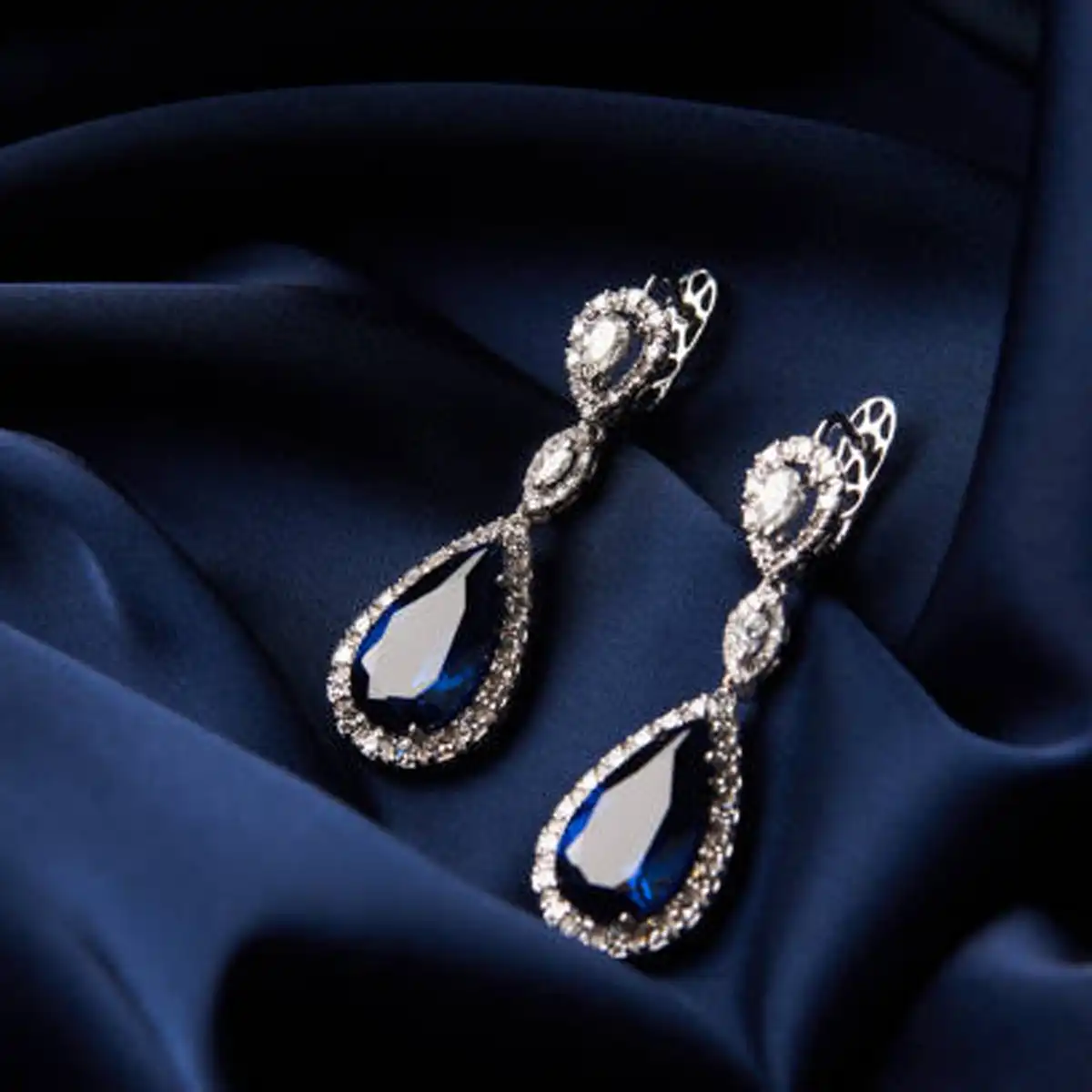
Sapphires, long associated with nobility and constancy, have entered a new era of collectability. The market increasingly rewards unheated stones, whose colour and clarity remain in their natural state.
- Unheated Premium: GIA and GRS certifications confirming no heat treatment can dramatically multiply value. Unheated sapphires from Kashmir or Ceylon attract the strongest demand, commanding tens of thousands of pounds per carat more than treated equivalents.
- Origin Verification: A documented source adds trust and exclusivity.
- Design Appeal: Unheated sapphires pair beautifully with vintage settings. Art Deco and Edwardian-inspired pieces, combining platinum and white diamonds, are especially popular for British collectors seeking historic elegance with modern craftsmanship.
Emeralds Colour, Character, and Provenance
Among gemstones, the emerald remains unrivalled for its luminous depth. Its charm lies in imperfection — the internal inclusions known as jardin often confirm authenticity rather than detract from it.
- Colour Saturation: The vividness of green defines the top value.
- Treatment Grading: Only minimal oiling (F1) is acceptable. A significant oil or resin filling (F3) significantly lowers the value.
- Origin Prestige: Colombian emeralds dominate the high end due to their pure hue and geological history.
Emeralds lend themselves to geometric cuts such as the Emerald or Asscher, both of which highlight the gem’s crystalline symmetry. In bespoke settings, these cuts create architectural precision, balancing vintage romance with modern restraint.
Rubies: The Ultimate Expression of Passion
The ruby, the rarest of the trio, represents power and endurance. Its saturated red tone, often called pigeon’s blood, is among the most coveted colours in gemology.
- Purity and Treatment: Unheated rubies without glass filling are prized. Certification confirming the absence of lead glass is essential.
- Origin Hierarchy: Burmese (Mogok) rubies continue to set benchmarks for market pricing.
- Design Aesthetics: Deep red rubies framed in 18ct yellow gold achieve maximum warmth and contrast, creating timeless pieces reminiscent of mid-century luxury.
Design Contrast and the Power of Bespoke
Modern jewellery thrives on contrast. By combining unconventional stones with classical materials, designers achieve new emotional and visual effects.
- Modern Halo: Surrounding a rich sapphire or ruby with fine white diamonds enhances chromatic depth and luminosity.
- Black Pavé Accents: Rows of small black diamonds on a platinum band emphasise masculine strength and balance, particularly when framing a central white diamond.
- Mixing Metals: Rose gold with blue stones, or platinum with green gems, delivers distinct tonal identities.
Bespoke craftsmanship allows these combinations to tell personal stories — engagement rings symbolising individuality, or heirlooms blending family heritage with modern identity. In Hatton Garden workshops, clients collaborate directly with artisans, refining every element from gem cut to claw angle.
Fun fact: Black diamonds are believed to contain traces of extraterrestrial origin, with some Carbonado samples theorised to have formed during ancient meteor impacts more than 3 billion years ago.
Ethics, Provenance, and Market Integrity
Transparency defines the modern luxury buyer. In 2026, no serious collector purchases a coloured gemstone without a verifiable paper trail.
Reputable laboratories such as the GIA, GRS, and Lotus Gemology now use advanced spectroscopy and laser inscription to authenticate not just chemical composition but also treatment status and geographic origin. This clarity safeguards both the buyer and the brand, underpinning resale confidence.
For investors, a clear certification record enhances liquidity in secondary markets. For consumers, it ensures peace of mind that their purchase aligns with responsible sourcing and environmental standards.
Across Hatton Garden, jewellers now treat provenance reports as indispensable as the stones themselves. Every sale carries both craftsmanship and conscience.
The Next Chapter in Colour
Looking forward, two stones are gaining strong momentum among collectors: Tsavorite Garnet and Paraíba Tourmaline.
- Tsavorite Garnet: A bright, chrome-rich green gem from East Africa, offering clarity and brilliance comparable to fine emeralds but with superior durability.
- Paraíba Tourmaline: Noted for its neon blue-green glow, caused by trace copper content. Originating in Brazil and later found in Mozambique, its supply remains exceptionally limited.
Both stones appeal to clients who value rarity and innovation over convention. They represent the next evolution of bespoke design — striking, colourful, and unmistakably individual.
The coloured stone market in 2026 reflects a deeper cultural mood. In an era defined by personal storytelling and sustainability, jewellery has become more than an adornment. It is expression, identity, and investment fused.
Conclusion: The Art of Distinction
The dominance of the white diamond has not ended; it has evolved. Its perfection now shares the stage with contrast and character. The rise of black diamonds and vibrant coloured stones embodies a broader luxury narrative — one centred on individuality, authenticity, and expert craftsmanship.
For those seeking a ring or timepiece that transcends trend, the message is clear: colour is confidence. The boldness of a black diamond, the serenity of a blue sapphire, or the energy of a vivid ruby each carries personal meaning that pure brilliance alone cannot convey.
As the jewellery world continues to innovate, one truth remains timeless: the rarest beauty lies in distinction itself.
In the spirit of an old saying, a gem cannot be polished without friction, nor a person perfected without trial. The same applies to jewellery in 2026 — shaped by pressure, refined by vision, and defined by individuality.
Continue Reading
The Hatton Gazette
Delivered weekly to your inbox
Subscribe for the latest from Hatton.