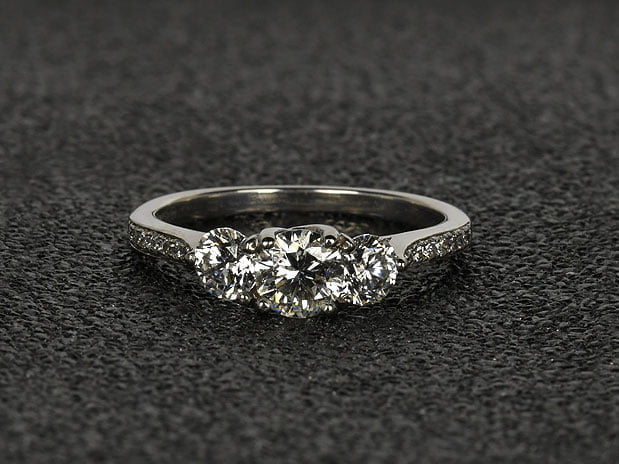
A couple steps off the Elizabeth Line at Farringdon and heads to Hatton Garden with a clear goal. They are not looking for a trendy piece to wear once and forget. Instead, they want something meaningful—something for a proposal, a milestone, or a new chapter. Shop windows now highlight details like origin, metal, craftsmanship, whether a stone is natural or lab-grown, and the paperwork that comes with it. This matters for buyers, as 2026 is set to be a turning point for fine jewellery in London and worldwide.
The report shows that jewellery is set to grow much faster than fashion between 2025 and 2028, with annual growth expected at 4.1%—about four times faster than clothing. It also notes a shift in why people buy jewellery. Instead of seeing it as a seasonal accessory, buyers now view it as something lasting, with emotional and material value. In London, this trend is clear in how Hatton Garden jewellers are changing and how shoppers compare their experience to Mayfair, where the service and setting feel more boutique.
What follows is a practical read for buyers and trade professionals alike, rooted in the source material. It explains the pressures reshaping fashion, why jewellery is resisting them, how lab-grown diamonds and natural stones are carving out clear market lanes, and why Hatton Garden is gaining momentum rather than fading.


Why jewellery is outpacing fashion as 2026 approaches
The source frames 2026 as a year of divergence. Apparel is described as entering a tougher phase, shaped by geopolitics, tariffs, supply chain fragility, and rising pressure to address waste. In that context, jewellery stands out because it behaves differently as a purchase. A coat can be beautiful and expensive, but it is still subject to wear, seasons, sizing changes, and trend fatigue. Fine jewellery sits outside that cycle. It can be worn across decades, repaired, resized, remade, and passed on.
This shift is driven by both economics and psychology. As people move from a cost of living crisis to rethinking their lifestyle, they tend to cut out disposable purchases first. The report says buyers are focusing on fewer, more meaningful items. ‘Substantial’ here means not just weight and durability, but also a sense of lasting value and meaning beyond the purchase itself.
This is where the category earns its edge. Jewellery can be worn daily, stored compactly, serviced, and, depending on materials and market conditions, may retain value in a way that many fashion products do not. The material also suggests that jewellery prices rose more slowly than apparel prices during periods of inflationary pressure, strengthening the perception that jewellery offers better value for money, even when the ticket price is high.
The new luxury logic of fewer buys with higher substance
The report says buyers now look for ‘attribute density’—a lot of real value in one item. In jewellery, this can mean the value of the metal, the rarity of the stone, visible craftsmanship, and strong design.
In practice, attribute density is why buyers scrutinise the difference between a ring that simply looks good and a ring that has a coherent build. It is why settings matter as much as centre stones. It is why a shopper comparing diamond rings in London can spend as much time on craftsmanship and service as on the 4 Cs.
This also explains why the market supports two different types of buyers. Some want the biggest and brightest look for their money, while others care more about rarity, origin, and paperwork. The report says both groups are growing, while the middle is shrinking.
The diamond effect and why buyers treat jewellery differently now
The source describes a shift away from small impulse indulgence towards fewer, higher-value purchases that feel like a better store of value when cash feels less reliable. It calls this the “Diamond Effect,” a nod to how consumers behave when inflation is the dominant stressor.
The main point for buyers is that 2026 is not just about a rise in luxury. Jewellery stands out because it is both emotional and practical. It can mark important moments or personal identity, and it feels more lasting than most other purchases.
For jewellers, the implication is clear. Selling is less about aspiration through branding alone and more about translating value. That means discussing material choices, build, stone options, and paperwork in plain language, without theatrics. It also means acknowledging that buyers arrive informed and sometimes sceptical.
A notable point: The Elizabeth Line at Farringdon now brings over 100,000 extra potential customers to the area on a typical weekday.
Lab-grown diamonds change the volume market
Lab-grown diamonds are presented as the major disruptor in terms of volume. The material suggests they are moving from novelty to mainstream, with a projection that by 2030 they could account for 50% of diamond jewellery unit sales globally, supported by predicted annual sales gains of 15.6% in the run-up.
For shoppers, the practical reality is that lab-grown diamonds expand choice and raise expectations. They make higher carat weights more affordable, changing what a “normal” engagement ring looks like on social media and in real life. They also intensify questions about what value means, and whether value is visual, financial, ethical, or a mix.
The report says lab-grown stones fit well with sustainability and ethical concerns, especially for younger buyers. It also points out that marketing about ethics can be debated. In stores, this means a good consultation should clearly explain what lab-grown means, how it is certified, and how its price compares to natural stones.
Natural diamonds and the premium lane that remains
The source does not claim lab-grown diamonds eliminate demand for natural stones. Instead, it argues they split the market. Natural diamonds are positioned as finite and status-signalling, with perceived store-of-value potential. Lab-grown diamonds are positioned as accessible and fashion-forward.
For London buyers, this bifurcation shows up in how people shop for engagement rings London. One client wants a natural diamond with the reassurance of rarity and traditional prestige. Another wants a lab-grown diamond so they can allocate their budget to design, setting, and overall presence. Both can be rational choices if the buyer understands what they are paying for.
What the material implies, without fully detailing, is that transparency becomes the differentiator. If lab-grown is priced and explained as a product category with its own market dynamics, it can be compelling. If it is presented as a direct substitute with identical long-term value, it can create mistrust.
Coloured gemstones become the connoisseur’s signal
The material suggests that as white diamonds face pricing pressure from lab-grown alternatives, attention shifts to coloured stones, particularly ruby, emerald, and sapphire. These are framed as “portable wealth,” aided by improved grading and provenance tracking.
The caution here is important. Coloured gemstones are complex. Value hinges on colour, clarity, cut, treatments, and origin, and those variables can be difficult to judge without proper documentation. The source highlights that buyers increasingly want certificates from major labs, naming GIA and GRS, and that they prioritise origin claims such as Burmese rubies or Colombian emeralds. It also notes that origin is part of the value story.
For London shoppers, buying coloured stones often pays off when you spend time in consultation. If you are looking at coloured gemstones in Hatton Garden or Mayfair, your first meeting should be as much about learning as about buying. Look for a jeweller who explains treatments and grading clearly and is willing to show comparisons, not just rely on sales talk.
Ruby pricing projections and what they mean in the real world
The source includes projected 2026 pricing bands for rubies, with a sharp divide between heated and unheated stones, and a strong premium for top colour descriptors such as “Pigeon Blood.” It also cites projection ranges that rise steeply for stones over 3 carats and for unheated material.
Buyers should treat these numbers as directional rather than guarantees. Prices can vary dramatically depending on lab reports, market appetite, and individual stone quality. The key point is the market structure. Treatments and rarity can matter as much as size. A ruby that looks similar to a non-expert can sit in a completely different value band once documentation and treatment status are clear.
Gold and bullion step into the same shopping streets
One of the most telling signals in the source is the blurring line between adornment and asset. It points to the presence of a bullion dealer opening a flagship showroom at 110 Hatton Garden, positioned as retail-friendly with walk-ins, 7-day access, currency exchange, and buy-back services for scrap jewellery.
For Hatton Garden, that is symbolic. It suggests the district is not simply a place to purchase jewellery, but also a place where consumers think of precious metals as tradeable, measurable, and liquid. Even for buyers who never intend to buy bars or coins, the cultural effect is real. It normalises the language of metal weight, purity, and conversion value.
For jewellers, it also reinforces the appeal of gold in an uncertain economy. The source notes jewellery’s durability compared to fashion and its capacity for remaking. Gold is the most obvious expression of that because it can be melted and reformed without losing its essential properties.
Self-gifting and the shift away from old buying scripts
The material argues that fine jewellery is no longer dominated by the old script of men buying for women on prescribed occasions. It highlights a surge in self-purchase, citing growth of 58% since 2021, and adds that 42% of women and 35% of men report buying more jewellery for themselves than they did 2 or 3 years ago.
This shift affects how shops sell and how consultations are structured. A self-purchaser often arrives with a clear personal brief. They want a piece that fits their daily life and their own style, not a generic symbol of romance. They may also be more detail-driven, because they are buying for themselves and do not want to feel steered.
In practical terms, this is where design-led storytelling matters. It is not marketing gloss. It is the reason a buyer chooses one ring over another when both are technically sound. The design language becomes a form of identity, especially for collectors and repeat buyers.
Men’s jewellery grows faster and broadens the category
The source describes men’s jewellery as a fast-growing segment, projected at 7% to 8% annually versus 4% to 5% for women’s jewellery. It also notes a rise in pearls, gem-set rings, brooches, and mixed-metal chains, and encourages retailers to reduce gendered segmentation and present pieces as universal.
For London retailers, the opportunity is not simply stocking a few heavier chains. It is presenting men’s jewellery with the same seriousness as bridal. That means well-lit showcases, consistent sizing options, and knowledgeable salespeople who are not awkward about taste or self-expression.
For buyers, the biggest change is confidence. Men who were once confined. For buyers, the main change is confidence. Men who used to only wear a watch or wedding band now see many more fine jewellery options. The market is responding with simple and sculptural designs that work for both the office and evenings out. The material treats Hatton Garden as a live case study of the wider Renaissance. It points to the Elizabeth Line connection at Farringdon as a major catalyst, claiming passenger journeys have more than doubled since the line opened, and estimating footfall gains in the district of up to 80,000 additional visitors.
That matters because jewellery buying still benefits from physical experience, especially for high-value pieces. Seeing proportion, feeling weight, comparing sparkle in real light, and assessing comfort on the hand are hard to replicate online. The source suggests the district is capitalising on this by improving the public realm and by welcoming new retail concepts that blend traditional craft with modern client experience.
Clicks to bricks and why physical consultation still wins
The source highlights Abelini opening a second store at 14 St Cross Street and frames it as a digital-first brand moving deeper into physical retail. The implication is that online trust is not enough for many buyers when the purchase is emotionally loaded and financially significant.
This aligns with the lived reality of buying a bespoke engagement ring. Even confident online shoppers often want a face-to-face meeting when choosing stone options, setting style, and determining ring proportions. Physical presence also allows a jeweller to manage expectations about what a design will look like on a hand, not just on a screen.
Queensmith expands and keeps making in the district
The source presents Queensmith as a major grower in Hatton Garden following the collapse of Vashi in 2023, which left debts of over £170 million. It states Queensmith acquired Vashi’s online business and absorbed talent. It also describes plans for a new design and innovation workshop opposite Queensmith’s Greville Street store, expanding the business to over 8,000 square feet across 5 sites. It adds that the facility is set to create 90 new jobs and aims to produce over 15,000 pieces annually, combining computer-aided manufacturing with traditional handcraft.
For Hatton Garden’s identity, this matters because it reinforces the district as a place that makes jewellery, not just sells it. For trade professionals, it highlights how manufacturing capacity and hiring can contribute to a brand’s credibility. For consumers, it can translate into confidence that design changes, repairs, and iterative bespoke work can be handled by a business that has invested in infrastructure, rather than outsourcing everything invisibly.
Independent designers build modern heirlooms through story and craft
Alongside growth in mainstream retail, the material underlines a design movement driven by narrative, texture, and a deliberate human touch.
It references Bleue Burnham as an example of nature-driven storytelling, using lab-grown sapphires and recycled metals, and adds that the brand created a Jewellery and Flower Market concept at Harrods, where customers receive fresh flowers with jewellery. It also notes a collaboration with a Syrian refugee artist, with pieces sold in Hatton Garden. The broader point is that experience and story can add value when they are backed by coherent design and material choices.
It also references Alighieri, founded by Rosh Mahtani, operating a studio near Hatton Garden and working with local casters to produce a distinct battered aesthetic inspired by Dante’s Divine Comedy. The material stresses the appeal of imperfection and the use of recycled bronze and gold plating as part of a circularity story.
Finally, it highlights Castro Smith, described as having started as an apprentice in Hatton Garden with an engraving firm and revitalising seal engraving, later working with a workshop in Dover Street Market. The key point for buyers is that craft specialisms like engraving deliver uniqueness that cannot be replicated by scale production. For collectors, it is an example of how labour and skill can be a core part of value, not a footnote.
Sustainability becomes a baseline expectation not a marketing angle
The source is clear that sustainability has shifted from optional to essential, driven by regulatory compliance and consumer demand for verifiable claims. It frames traceability as a competitive advantage for brands that can manage provenance and communicate it cleanly.
The report also notes that jewellery is naturally more circular than clothing, since metals like gold and silver can be recycled and reused without losing quality. It points to scrap buying programs as a practical way to keep materials in use.
For buyers, the actionable shift is to ask for specifics. What is recycled, what is newly mined, what paperwork exists, and how claims are defined. For trade professionals, the direction is equally plain. The future belongs to businesses that can document sourcing and speak about it without vague language.
How to shop Hatton Garden and Mayfair with more confidence in 2026
The source material supports a simple conclusion. Jewellery is gaining ground because it offers permanence when other categories feel fragile, and because it fits new behaviours like self-gifting, the growth of men’s jewellery, and a split market between lab-grown and natural stones.
For buyers, the best approach is to use the first consultation to see how clearly the jeweller explains things.
If you are shopping for engagement rings London or wedding bands:
- Ask how the jeweller explains the difference between natural diamonds and lab-grown diamonds, including how each is documented.
- Ask what paperwork comes with the stone and the finished piece, and which laboratory or authority issued it, where applicable in the jeweller’s process.
- Ask to see comparable stones side by side to understand what you are paying for in cut, colour appearance, and overall presence.
If you are exploring coloured gemstones:
- Ask for clarity on treatments and any origin statements that are being made, and what evidence supports them.
- Ask how the jeweller assesses value beyond carat weight, especially colour and transparency.
For timing:
- If a proposal is date-fixed, book early and ask about production timelines for bespoke work and for any resizing after purchase.
- If you are remodelling or resetting an older piece, ask how the jeweller manages stone risk, design revisions, and sign-off stages before work begins.
The material points to a growing jewellery market, as buyers seek objects that last. Hatton Garden’s rising footfall and investment, combined with the continued draw of Mayfair’s boutique luxury setting, suggest London will remain a strong place to buy, compare, and commission fine jewellery in 2026. The advantage will go to shoppers who prioritise documentation, craftsmanship, and a buying process that feels transparent from the first conversation.