Plenty of people own one piece they reach for when something matters. A ring worn to every interview, a pendant kept for exam days, a bracelet that was a grandmother's. The belief that jewellery carries luck is old, it crosses almost every culture, and it has never really gone away.
Why We Trust a Piece of Jewellery
The habit is older than any of the modern superstitions attached to it. Egyptian jewellery was made to protect as much as to decorate, Roman rings carried carved symbols meant to bring favour, and medieval amulets were worn against illness and misfortune. What survives today is quieter, but the instinct is the same: a small object worn against the skin, carrying a meaning only the wearer needs to understand.
The Gemstones People Associate With Fortune
Certain stones attract the belief more than others. Jade has been linked to prosperity and protection in China for centuries and is still given at births and weddings. Citrine picked up the nickname the merchant's stone because sellers kept one in the till. Tiger's eye was carried as a guard against ill will, turquoise as a travelling stone, and emerald has stood for renewal since antiquity. None of this is science, and a good jeweller will tell you so, but it explains why these stones keep their pull.
Charms, Symbols and What They Stand For
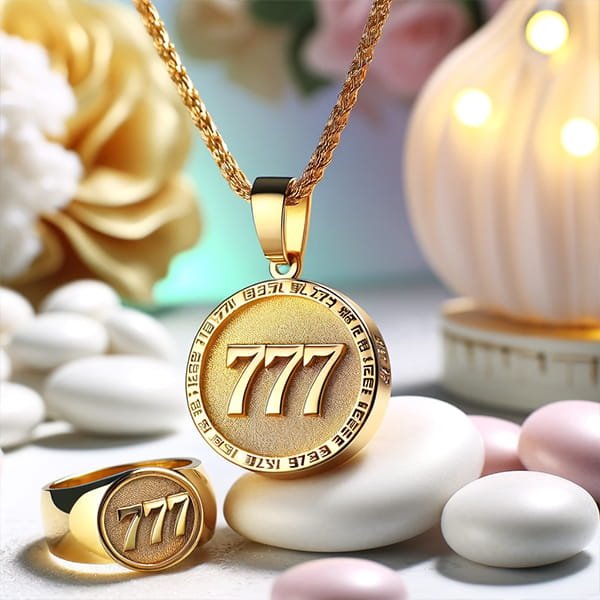
The horseshoe, hung with the ends upward so the luck does not run out. The four-leaf clover, rare enough in a field that finding one felt like proof of something. The evil eye, worn across the Mediterranean and the Middle East to turn away envy. The hamsa, the wishbone, the number seven. Charm bracelets gather them one at a time, which is part of the appeal: the piece grows with the life it belongs to.
When People Reach For Them
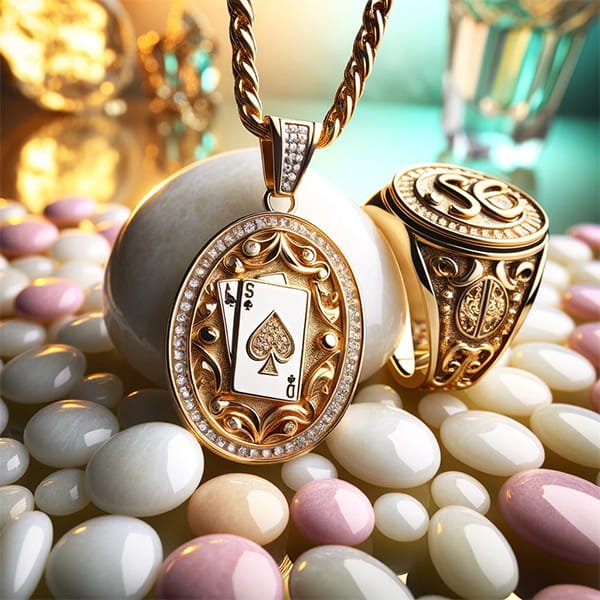
The occasions are personal and often small. A job interview, a first date, a driving test, a flight, a hospital appointment, a hand of online blackjack at the end of a long week. The jewellery is not doing the work. What it does is steady the person wearing it, which is worth something on a day that matters.
Choosing a Piece Worth Keeping
If a piece is meant to be worn daily and kept for years, the construction matters more than the symbolism. Look for solid gold or sterling silver rather than plate, which wears through at the points that rub. Check that stones are set in claws or a bezel rather than glued. Ask about the metal's carat and whether the piece is hallmarked. A charm that is soldered rather than sprung will not be lost off the end of a bracelet.
The jewellers of Hatton Garden have been making pieces like this for well over a century, and a bespoke workshop will set a stone that already means something to you rather than sell you a symbol off a tray.
Birthstones, the Other Way In
Where folklore feels too loose, birthstones give a piece a reason to belong to one person. January takes garnet, February amethyst, March aquamarine, April diamond, May emerald, June pearl or moonstone, July ruby, August peridot, September sapphire, October opal or tourmaline, November topaz or citrine, December turquoise, tanzanite or zircon. The modern list was standardised by the trade rather than handed down, which is worth knowing, but it makes a thoughtful starting point for a gift.
Looking After a Piece You Wear Daily
Anything worn every day needs checking once a year. Claws wear down, and a stone that moves when you press it is one knock from being lost. Chains thin where they rub against a collar. Take rings off for the gym, for cleaning and for swimming, since chlorine attacks the alloys in gold and will weaken a setting over time. Warm water, a drop of washing-up liquid and a soft brush handles most cleaning at home, with the exception of pearls, opals and emeralds, which want a wipe with a damp cloth and nothing more.
Giving One as a Gift
A lucky piece given to someone else works best when it is specific to them: their birthstone, a symbol from their family's tradition, an initial, a date engraved inside a band where only they will see it. Ask about size before buying a ring, since resizing is straightforward on a plain band but awkward on a full eternity ring or anything with stones set all the way round.
Common Questions
Does lucky jewellery actually work? There is no evidence that it changes an outcome. What it reliably changes is how the wearer feels, which is the honest reason people keep the habit.
Which stone should I choose? The one that means something to you, or a birthstone, which gives the piece a reason to be yours beyond folklore.
Can an old piece be reworked? Yes. Inherited stones are reset every day in Hatton Garden, and a worn ring can be rebuilt rather than replaced.
Continue Reading
The Hatton Gazette
Delivered weekly to your inbox
Subscribe for the latest from Hatton.