Commissioning a bespoke piece of jewellery offers a deeply personal way to honour moments that stand out from the everyday. Whether the occasion stems from a career breakthrough, a family reunion or a sudden stroke of good fortune, the process lets people shape something lasting that reflects their individual story. Many find that working with a designer brings its own satisfaction, turning an abstract feeling into a tangible object they can wear for years. Unexpected celebrations often arrive without warning, such as an unexpected promotion after years of quiet effort or a long-lost relative reappearing after decades apart. These events carry emotional weight that standard gifts rarely capture, so clients seek jewellery that holds the precise sentiment of that day. Conversations with designers frequently uncover small details, like a favourite scent or a shared joke, that become subtle elements in the final design.
Leisure choices often play a quiet role in these stories, and some people explore flexible entertainment options such as casinos not on gamstop to add a touch of excitement to their free time. When those evenings lead to a memorable outcome, the desire to mark the experience with something permanent grows stronger. Bespoke jewellery becomes the natural next step, providing a private keepsake that sits outside the moment itself. People sometimes describe how a single lucky turn at the tables sparked a chain of positive changes, from renewed confidence to fresh social connections. Marking that shift with jewellery helps anchor the memory in a physical form. The resulting piece can feature hidden engravings or stones chosen for their personal resonance, turning the object into a quiet celebration of chance and choice.
Drawing from Real-Life Occasions
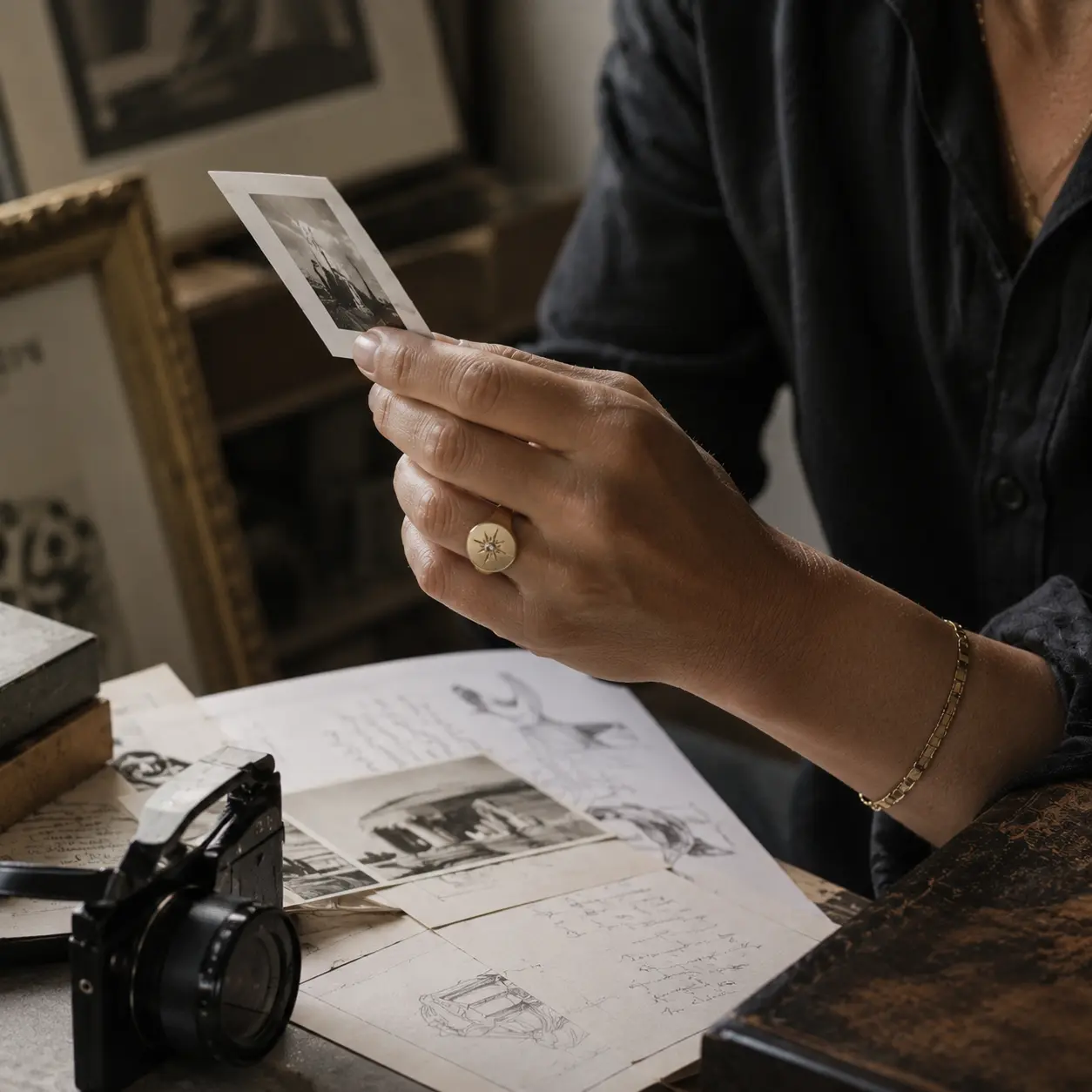
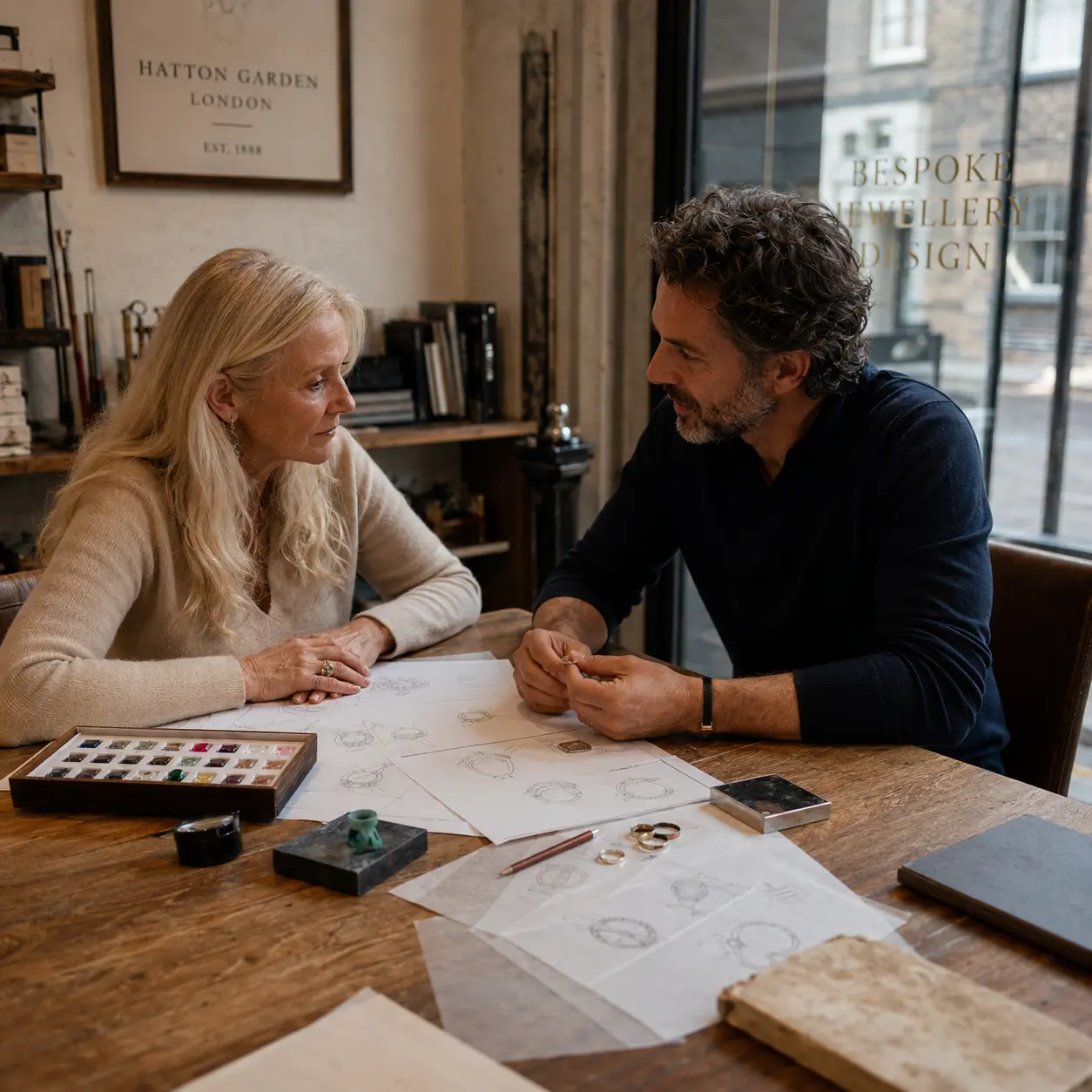
Every client arrives with a different starting point. One person might want to remember a surprise inheritance, while another hopes to capture the thrill of an overseas trip that exceeded all expectations. Designers in Hatton Garden listen carefully to these details before sketching the first ideas. The goal is never to impose a style but to translate the emotion into proportions, textures and colours that feel right for the wearer. Some clients share handwritten notes or ticket stubs from the event, which the designer incorporates as inspiration for shape or pattern. Others bring stories of quiet determination, such as completing a marathon after injury or launching a small business against the odds. These narratives guide decisions about scale and delicacy, ensuring the finished jewellery feels authentic rather than generic.
Selecting Stones and Metals with Intention
The choice of materials matters more than many realise. A vivid sapphire might echo the intensity of a particular evening, while warm rose gold can soften the overall look and make the piece comfortable for daily wear. Clients often bring photographs or small objects from the event itself, helping the designer understand the precise mood they wish to preserve. This collaboration ensures the finished item feels connected to the original experience rather than simply decorative. Gemstones can be selected for their optical qualities that shift with light, mirroring how memories themselves change over time. Metals are tested for comfort during extended wear, since many owners plan to keep the jewellery close during ordinary activities. The process often includes discussions about ethical sourcing, adding another layer of meaning for clients who value responsible practices.
Exploring Historical Influences on Modern Work
Designers sometimes look to the past for fresh ideas, studying how earlier makers captured celebration in their work. Van Cleef & Arpels displays reveals how playful yet refined details can turn a simple brooch or necklace into something narrative. Such references help clients visualise possibilities they had not considered, especially when they want a piece that tells a story without words. Historical techniques like intricate enamel work or hidden compartments can be adapted to modern commissions, offering fresh ways to embed personal symbols.
Working Through the Commissioning Stages
Once the brief is agreed, the process moves through several clear stages. Initial drawings give way to wax models, then to metal samples that show how light catches the surfaces. Throughout these steps the client remains involved, approving changes or suggesting adjustments that keep the design true to the original feeling. The timeline varies, yet the steady rhythm of meetings and refinements often becomes part of the enjoyment itself. Each stage includes opportunities to adjust proportions or test how the piece sits against the skin. Some clients request progress photographs between visits, allowing them to follow the transformation from sketch to finished object.
Placing the Finished Piece in Daily Life
A bespoke item rarely stays locked away. Many owners choose settings that allow the jewellery to accompany ordinary routines, from work meetings to relaxed weekends at home. The piece then serves as a gentle reminder rather than a formal display, integrating the memory into the fabric of everyday existence. Over time, the association deepens until the jewellery feels as natural as the moment it represents. Wearers often report that friends notice the piece and ask about its story, creating new conversations that keep the original celebration alive.
Finding Makers Who Understand Personal Meaning
Hatton Garden remains a hub for specialists who treat each commission as a unique conversation. They combine traditional hand skills with modern techniques, ensuring durability alongside beauty. Clients value the chance to meet the craftspeople and see workshops in action, which adds another layer of connection between the object and its story. Workshops often feature specialised tools passed down through generations, alongside digital design software that allows precise visualisation.
Continuing the Tradition with Contemporary Voices
Some makers draw on long-standing houses for additional inspiration. Fabergé audio insights shows how enduring creativity can still influence new commissions today. By blending those references with personal details supplied by the client, designers create pieces that feel both rooted and fresh, ready to mark whatever celebration or windfall arrives next. Contemporary voices often reinterpret classic motifs in lighter, more wearable forms suited to modern lifestyles.
Continue Reading
The Hatton Gazette
Delivered weekly to your inbox
Join 12,000+ Hatton insiders