Long before gemstones were graded and certificated, they were credited with power. Stones were worn to protect, to heal, to attract money and to keep envy at a distance. Modern buyers rarely put it that plainly, but the beliefs are still there, sitting quietly behind why certain stones sell and certain gifts are given.
Where the Beliefs Come From
Ancient Egypt buried its dead in carnelian and lapis, believing both carried protection into the next life. Roman soldiers wore carved agate. In Hindu tradition the navaratna sets nine stones together, each tied to a celestial body, and the arrangement matters as much as the stones. Medieval Europe treated sapphire as a guard against harm and ruby as a warning of it, said to darken when danger was close.
The Stones Most Often Called Lucky
Jade holds the strongest claim, linked with prosperity and long life across Chinese tradition and still given at weddings and births. Citrine earned the merchant's stone name from sellers who kept a piece in the cash drawer. Turquoise was a traveller's stone, carried against accident on the road. Tiger's eye was worn against ill will, moonstone for safe journeys over water, and emerald for renewal and fidelity. Amethyst was worn against excess, which is why it appears so often in old rings meant for daily wear.
Shapes and Symbols That Carry Meaning
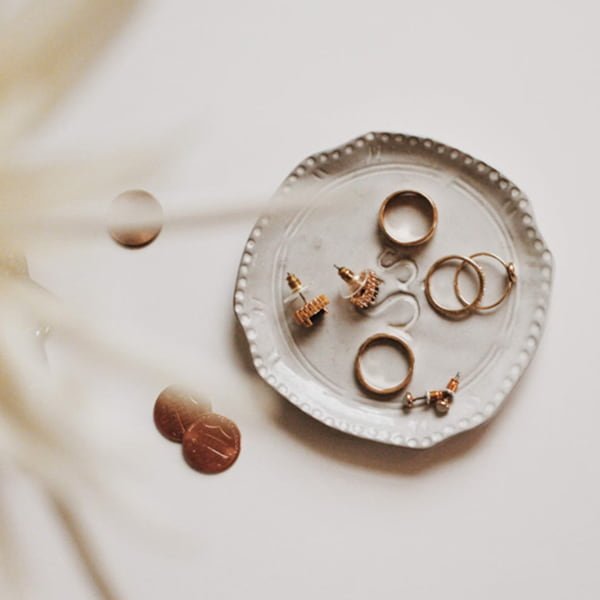
The horseshoe, hung ends up. The four-leaf clover. The evil eye, worn around the Mediterranean and through the Middle East to deflect envy rather than invite luck, a distinction that matters to the people who wear it. The hamsa, the wishbone, the knot. Rings carry their own weight of meaning, standing for continuity because they have no end, which is exactly why they became the form we use for marriage.
Why the Habit Survives
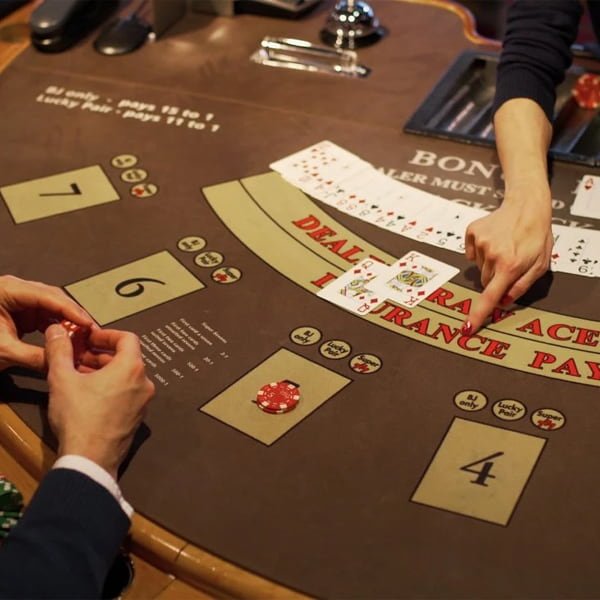
People still reach for a particular piece before something that feels like chance. The interview, the exam, the diagnosis, the wager. Operators such as Bizzo casino trade on exactly that instinct, and it is worth being clear eyed about it: no stone changes an outcome that was already fixed by odds or by someone else's decision. What a piece does is give the wearer something steady to hold onto, and that is a real effect even if it is not a supernatural one.
Buying a Piece That Means Something
If a stone is chosen for meaning, it still has to survive being worn. Hardness decides that: sapphire and ruby take daily wear easily, emerald is brittle and usually oiled so it needs gentler handling, and opal and pearl are soft enough to mark against a kitchen sink. Ask whether a coloured stone has been treated, since heat and oil treatment are common, disclosed by any reputable dealer, and reflected in the price. For anything significant, ask for an independent report rather than the seller's own word, and expect a hallmark on the metal.
Everyday fashion jewelry has its place for following a trend, but a piece meant to be kept, handed on and believed in is worth buying properly once.
Matching the Stone to the Intention
If you want the tradition without the guesswork, the usual pairings run like this. Prosperity: jade, citrine, pyrite. Protection: turquoise, tiger's eye, black onyx, the evil eye in glass rather than stone. Love and fidelity: emerald, rose quartz, ruby. Clarity of mind before something difficult: amethyst, lapis lazuli, clear quartz. Safe travel: moonstone, aquamarine, turquoise again. None of it is prescriptive, and a jeweller will happily set whichever stone you actually like, which tends to be the one you keep wearing.
What Treatment Does to Value
Most coloured stones on the market have been treated, and that is normal rather than sinister. Sapphire and ruby are routinely heated to improve colour, emerald is oiled to fill surface-reaching fractures, and turquoise is often stabilised because in its natural state it is porous and chalky. Treatment is acceptable when disclosed, and it is reflected in the price: an unheated Burmese ruby with a report costs many times a heated one of the same size. What matters is that the seller says so in writing.
Questions Worth Asking Before You Buy
Is the stone natural, lab-grown or a simulant, and is that stated on the receipt. Has it been treated, and how. Is there an independent report, and from which laboratory. What is the metal, and is it hallmarked. If the piece is antique, has it been repaired or had stones replaced. A dealer who answers those plainly is one worth going back to, whatever the stone is supposed to bring you.
Continue Reading
The Hatton Gazette
Delivered weekly to your inbox
Subscribe for the latest from Hatton.