Many people find that marking a personal achievement calls for something enduring and beautiful, whether the moment stems from a career breakthrough or a satisfying stretch of leisure time spent exploring options such as non gamstop casinos. A diamond ring offers that lasting reminder, its facets catching the light each time the wearer glances down and recalls the occasion. Over the years, these pieces have become quiet companions for countless individuals who prefer understated elegance over flashy displays. They sit on the finger through daily routines and special occasions alike, serving as a gentle nudge to pause and appreciate progress made along the way.

Choosing Stones That Capture Individual Stories
The selection process often begins with the stone itself. Buyers consider colour, clarity and cut not simply as technical details but as elements that echo the character of the event being celebrated. A vivid yellow diamond might suit someone who remembers a daring decision, while a classic white stone feels right for quieter successes. The gentle narrative of light moving across the surface becomes part of the daily experience, turning the ring into a small, private keepsake rather than a showpiece. Some spend weeks comparing stones under different lighting conditions, noting how a particular hue shifts from warm to cool depending on the time of day. Others draw inspiration from family heirlooms, seeking a shade that echoes a grandparent's favourite piece without copying it exactly. This thoughtful approach ensures the final choice feels deeply personal rather than dictated by trends.
Design Details That Reflect Personal Taste
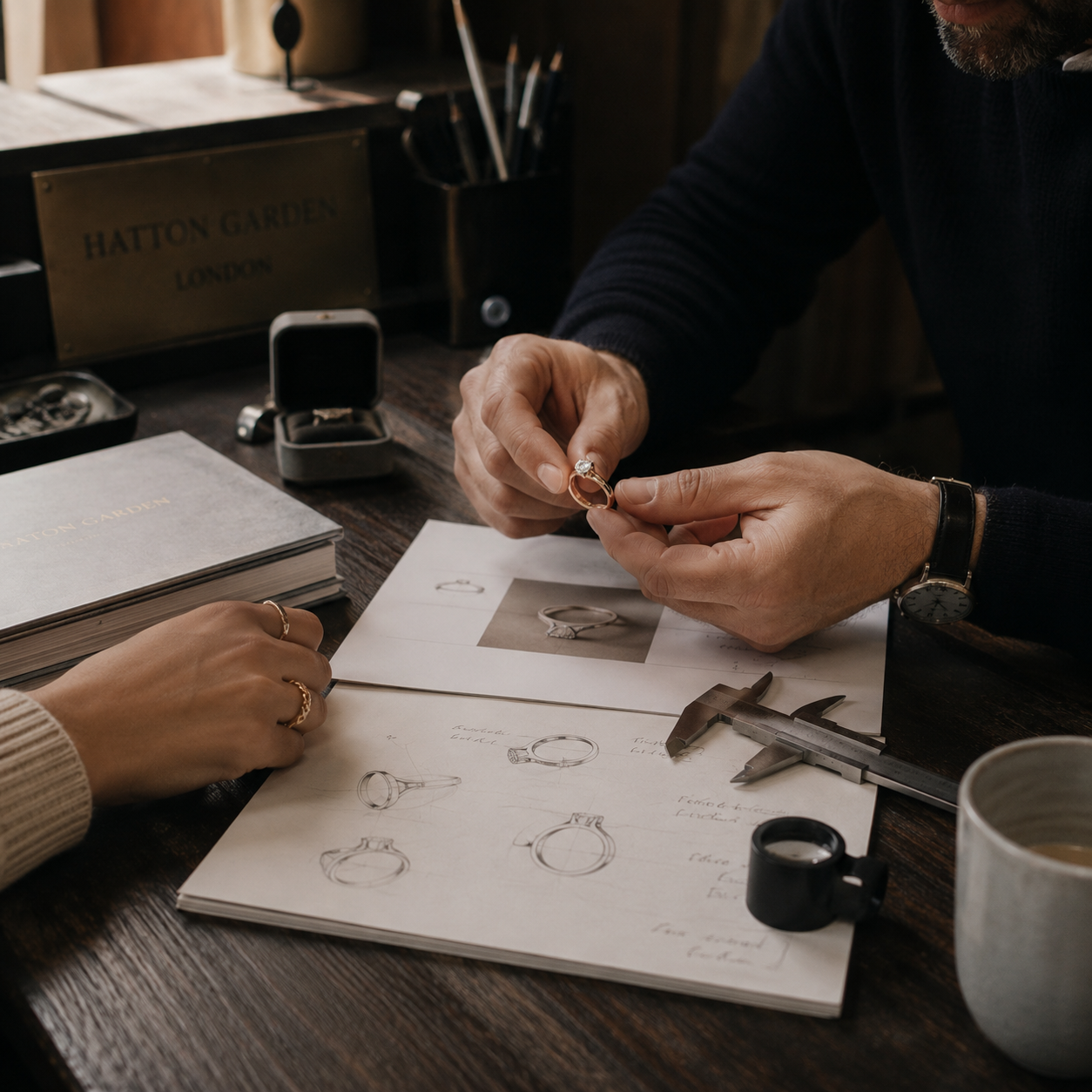
Once the stone is chosen, the setting and band shape the final impression. Delicate pavé work can suggest celebration without excess, while a bold bezel setting speaks of confidence. Many clients at Hatton Garden workshops describe how they visualise the ring on their hand during ordinary moments: typing at a desk, raising a glass, or simply walking through the city. These small mental pictures help narrow the options until the piece feels inevitable. Jewellers often share sketches and wax models so clients can see proportions in three dimensions before any metal is cut. Adjustments to band width or prong height happen naturally during these sessions, guided by how the ring sits against the skin and moves with the hand.
Drawing on Ancient Origins of Rings
Jewellery has long served as a marker of significant transitions. Historical accounts of rings show how earlier civilisations used circular bands to symbolise continuity and commitment to oneself as much as to others, as seen in the origin of wedding rings. Ancient ring traditions illustrates how the form evolved while the underlying idea of remembrance stayed constant. Contemporary buyers often find reassurance in that continuity when they select a ring to mark a recent personal win. Museums display examples from Roman and Egyptian eras where simple gold circles marked everything from business deals to personal vows. Modern interpretations borrow these shapes yet update them with contemporary stones and finishes that suit today's lifestyles.
Placing the Piece Within Daily Routines
A statement ring need not remain reserved for special evenings. Many owners discover that the most meaningful pieces integrate smoothly into ordinary life. A well-proportioned diamond sits comfortably beneath gloves in winter or beside a keyboard during working hours. The recurring glint of light on the facets becomes a quiet prompt to appreciate how far one has come, whether the milestone arrived through steady effort or an unexpected stroke of fortune during leisure hours. People mention slipping the ring on each morning as part of a small ritual that sets a positive tone for the day ahead. Over time the piece becomes so familiar that its absence feels noticeable during travel or when left in a jewellery box for safekeeping.
Connecting Jewellery to Broader Traditions
Further reading on the subject reveals how rings have intersected with expressions of affection and achievement across centuries. The tradition behind wedding rings, specifically how wedding ring traditions started, demonstrates that these objects frequently move between public symbols and private talismans. Ring traditions through time traces this movement without prescribing any single use. Modern wearers adapt the same flexibility, letting a diamond ring commemorate whatever moment feels worth preserving. Cultural festivals and personal milestones alike have drawn on this symbolism, allowing each generation to reinterpret the circle's meaning in fresh ways.
Finding the Right Balance of Scale and Subtlety
Scale matters when the ring is intended for regular wear. An overly large stone can dominate an outfit, whereas a stone of moderate size allows the design to breathe. Jewellers in Hatton Garden often encourage clients to try pieces on for an entire afternoon, noting how the weight and reflection change with movement and light. This practical test helps ensure the chosen ring will continue to feel like an extension of the wearer rather than an interruption. Comfort during extended wear matters as much as visual appeal, so bands are sometimes thinned or rounded at the edges based on feedback from these trials.
Closing the Circle with Lasting Memories
Stories of diamonds and love remind us that the strongest associations are often the simplest ones. Diamonds, love and history shows how a single stone can gather layers of meaning over time. In the same way, the diamond that first caught the eye on the day of a personal achievement gradually becomes part of the wearer’s own ongoing story, its sparkle recurring whenever the hand moves into the light. Friends and family sometimes notice the ring years later and ask about its story, prompting fresh recollections that keep the memory alive. This quiet evolution turns a single purchase into a lifelong companion that grows richer with each passing season.
Continue Reading
The Hatton Gazette
Delivered weekly to your inbox
Join 12,000+ Hatton insiders