A heart ring carries more than sparkle. It carries meaning. For centuries, the motif has moved from courtly diplomacy to private devotion, from royal treasuries to today's jewellery boxes. If you are searching for a heart ring that feels personal yet investment grade, understanding where the symbol came from and how it evolved will help you choose with confidence. This feature sets out the essential history, the craft behind the heart-shaped diamond, and the two dominant style directions shaping 2025, then closes with a precise buying and care checklist. It is written for readers who want editorial depth and practical value in equal measure.
The earliest heart jewels were not love tokens. In the 15th century, the heart appeared in letters and inventories tied to influence and leadership. The image stood for a core of power at the centre of a state. By the 16th century the sign had crossed borders with gifts between monarchs. When a queen sent a heart ring to another queen, it spoke in the formal language of alliance and courtesy. This context is important because it explains the durable signal conveyed by the motif. A heart ring has always said more than romance. It says status, fidelity and intent.
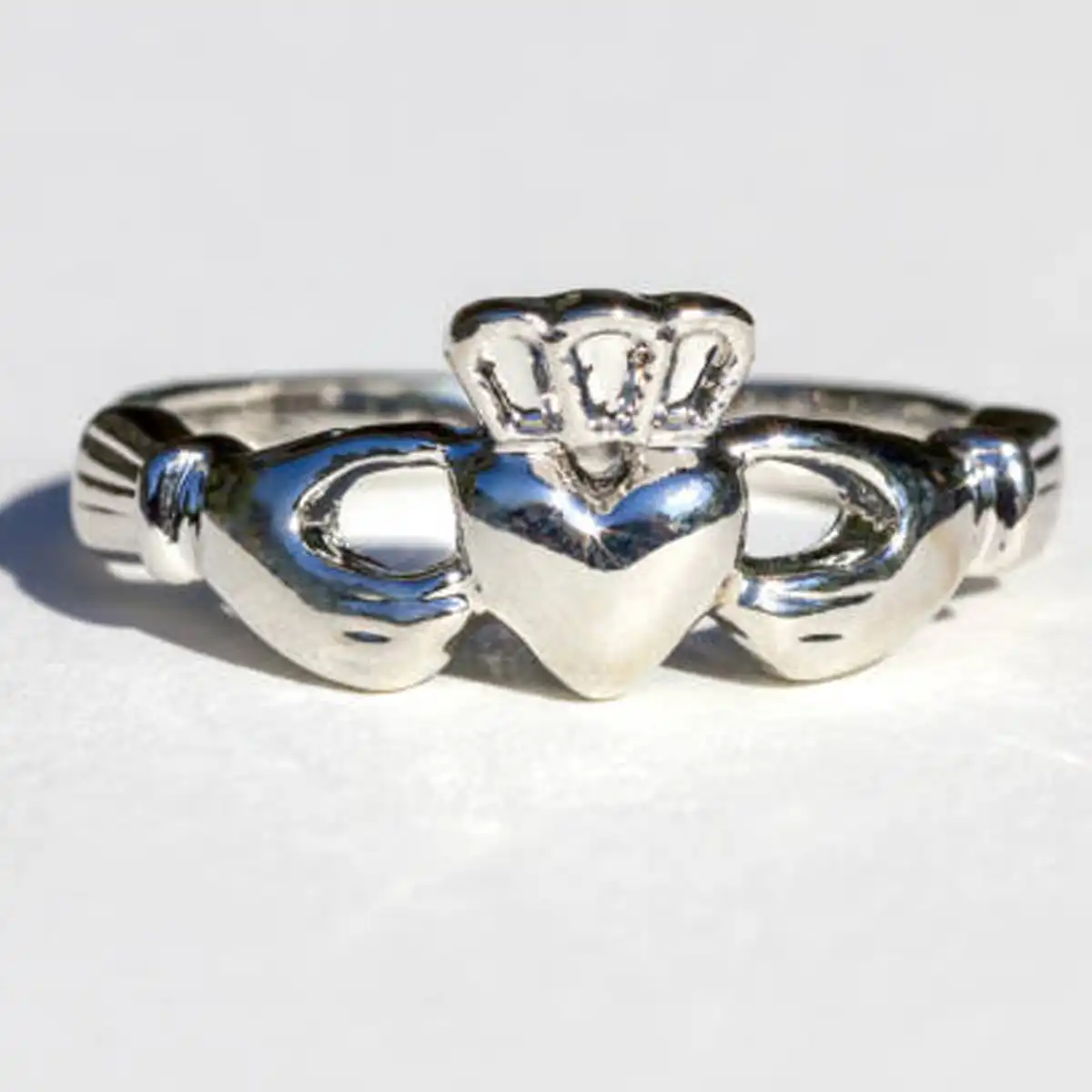
By the 18th and 19th centuries the symbol had become intimate. Victorians used lockets, miniatures and coded gemstones to speak in private while appearing polite in public. The same outline could celebrate a marriage or mark a loss. That dual use remains visible today in antique pieces. In Ireland, the Claddagh ring set out a clear code of love, friendship and loyalty using a heart held by hands and topped by a crown. The motif survived the shift into platinum during La Belle Époque and adapted to lighter settings with diamonds and pearls. Across each period, the heart acted like a script you could read if you knew what to look for. That is the starting point for a smart purchase.
Reading Antique Symbols And Heirloom Styles
Knowing the language of motifs will help you evaluate estate and vintage pieces with accuracy.
Victorian hearts. The period embraced sentiment with variety. You will see crowned hearts that signal "ruler of my heart", pierced hearts that hint at Cupid, and double hearts for betrothal. Heart lockets in gold with enamel or seed pearls often hold initials or a curl of hair. Black enamel, jet and quiet inscriptions mark mourning. When you examine a Victorian piece, assess hinge quality, enamel condition and whether the engraving remains crisp. Authentic wear is expected. Signs of sharp modern reengraving can reduce collectability.
The Irish code. A traditional Claddagh ring reads like a signal system. The heart stands for love, the hands for friendship, the crown for loyalty. How it is worn communicates relationship status:
- Right hand, heart outward means open to love.
- Right hand, heart inward, means in a relationship.
- Left hand, heart outward, means engaged.
- Left hand, heart inward means married.
Look for historic maker's marks from Galway workshops on 18th and 19th century examples. Proportions should feel balanced, with a distinct heart and well-shaped hands.
La Belle Époque refinement. Advances in platinum allowed airy garlands, bows and lace-like mounts. Hearts appear within ribbon and floral compositions, often with diamonds and soft pastels such as aquamarine or moonstone. Inspect millegrain edges under magnification. Even fine beading suggests period work. Heavy, uniform beading can point to later reproduction.
Fun fact: The French message "plus qu'hier, moins que demain" became a popular romantic jewel inscription, promising love that grows each day.
Reading condition. For all heirloom hearts, check the point of the heart for chips, test clasps and hinges, and ask for a gemmological opinion where stones are present. Antique charm lies in honest use. Excessive polishing can erase design detail and should be priced accordingly.
Why Cut Proportions Matter In Heart Shaped Diamonds
A well-made heart-shaped diamond is difficult to execute and unmistakable to the eye. The outline must look elegant from every angle, and the light return must rival a round brilliant. There is no universal laboratory cut grade for fancy hearts, so your eyes and the craft of the setter become decisive.
Key elements to judge:
Symmetry. The two lobes must mirror each other. Uneven lobes flatten the effect and can make the stone look tired. View the diamond face up and rotate it slowly. The outline should remain balanced at each turn.
Cleft. The V at the top needs to be clear and neither pinched nor shallow. A poor cleft makes a heart read like a pear. Under diffused light, the cleft should remain defined, not lost in reflection.
Wings and belly. The curve from the widest point down to the tip should be smooth. Flat wings interrupt brilliance. The belly should be full without bulging.
Tip integrity. The point is the most vulnerable area. Choose a setting that protects it. More on this below.
Length to width. Classic hearts feel balanced around a 1.00 to 1.05 ratio. Wider hearts look playful. Longer hearts feel elegant and can elongate the finger. Hold multiple stones side by side. Your eye will read harmony before your mind finds numbers.
Bow tie. Many fancy shapes show a dark bow-tie shadow if light leaks through the centre. Inspect the heart under mixed lighting and move it. You want lively scintillation across the face with minimal central shadow.
Table and depth. Moderate table and depth values often yield the best mix of fire and brightness. Numbers are useful, yet never choose by numbers alone. Two diamonds with similar measurements can perform very differently.
Cut is not only about the lapidary. It is also about setting. A skilful mount will lift light into the pavilion and keep metal away from where flashes occur. A poor mount can smother the best make. Always review the stone and setting together.
Two Definitive 2025 Trends From Bold To Minimal
The market in 2025 supports two strong directions for the heart. Both feel current, both can be worn with purpose.
The maximalist heart. Sculptural, weighty hearts have returned with conviction. Think puffy silhouettes, oversized cocktail rings and signet-scale surfaces in generous yellow gold or sterling silver. Styling mixes metals for energy and stacks scale for impact. One substantial heart ring can anchor a look built on clean lines and colour. The reference points include Y2K nostalgia and feel-good dressing. Pieces in this group often use high polish or mirror finishes that broadcast form. For stones, richly saturated heart-cut rubies or spinels make confident centrepieces. If you want a standout presence, pair a bold heart with a pared-back wardrobe and let the ring lead.
The minimalist heart. Delicate pieces favour slim bands, subtle pavé and charm-like hearts you can layer. This direction opens space for personal curation. Stack slim bands, add an initial, include a birthstone or a small heart-shaped gemstone in morganite, aquamarine or amethyst. The effect is light, feminine and easy to wear daily. White metals work well for a cool, clean look. Yellow gold warms pastel stones and flatters most skin tones.
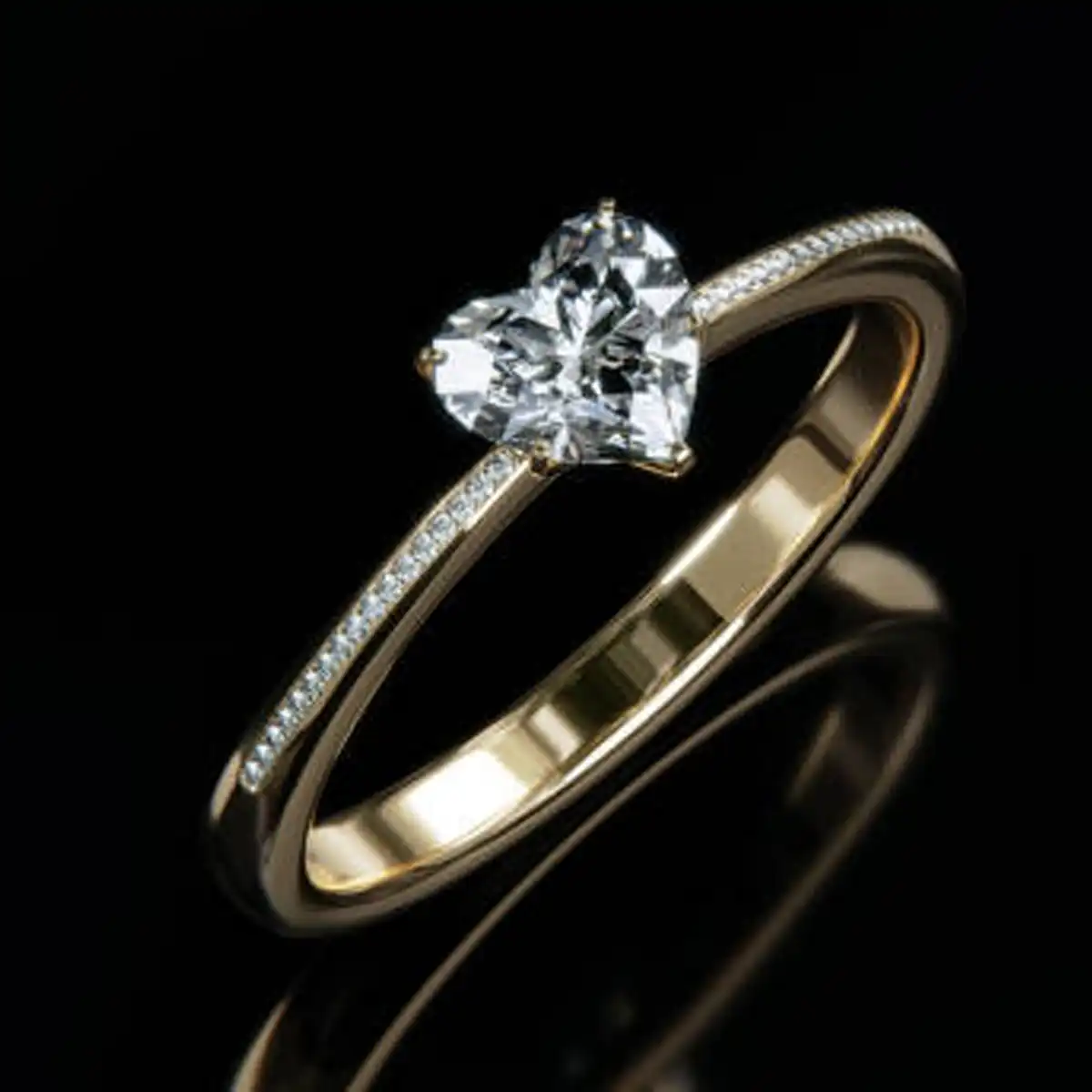
Engagement momentum. A heart centre is gaining ground within bespoke and vintage-inspired engagement rings. Round and oval remain common, but clients who want a clear romantic signal are selecting hearts in classic mounts with pavé shoulders or a halo setting. Hearts also shine as three-stone rings with tapered baguettes that frame the outline without crowding it. If you prefer low-profile designs, consider a bezel that traces the shape, adds protection, and keeps snag risk down.
Metal choices. Platinum is strong and hypoallergenic. It holds claws securely for decades and suits crisp contemporary lines. 18ct yellow gold brings warmth and a traditional mood. Rose gold provides softness and can flatter a pink or peach stone. Mixing metals in one ring can define the heart against its band.
Ethical options. Lab-grown diamonds offer scale and quality at accessible prices. They are chemically and optically identical to natural diamonds. If you are building an impactful heart, look at a specific budget, a lab-grown option can unlock higher clarity or carat. Always ask for full disclosure and a reputable certificate.
Selecting Setting And Care For Long Term Wear
Form meets function at the tip of the heart. Set well, a heart will endure daily life with grace. Set poorly, it can chip. Protect the point and support the shape.
V-tip prong. A V-shaped claw cups the point and absorbs knocks. Pair it with three or five additional claws positioned to balance security and light.
Bezel. A thin wall of metal traces the outline and shields the edge. Modern bezels can be very fine. This is a strong choice for people with active hands, healthcare workers or anyone who prefers minimal snagging.
Halo and semi halo. Surrounding diamonds enlarge the visual footprint and help resist chips on exposed edges. Keep the halo tight. A wide moat can dilute the outline.
Band geometry. A tapered or knife-edge shank draws the eye to the heart. A cathedral shoulder lifts the gallery while keeping the profile elegant. Comfort fit interiors aid daily wear.
Size visibility. Very small hearts can lose definition. For diamonds, many buyers find the shape reads best from around 0.50 carat upward. If you prefer petite, consider a mirror-polished metal heart or pavé heart within a band to keep the outline clear.
Colour and clarity. In a heart shape, colour can concentrate at the point. For a bright white look, target near-colourless grades. For fancy colours, choose saturation that remains strong at the tip. The open table shows inclusions easily, so seek eye-clean clarity, especially in the centre and along the lobes.
Length to width and hand shape. Balanced hearts suit most hands. Longer hearts can slim the finger. Wider hearts read playful and can suit shorter fingers. Try on rather than decide on paper.
Engraving and personalisation. Inside shank engravings of dates or initials add meaning without cluttering the face. For a modern nod to historic language, a short French or Gaelic phrase can connect personal story to tradition.
Insurance and valuation. Once purchased, request a full invoice description with metal, carat weight, measurements and certificate numbers. Photograph the ring and store documents securely. Review insurance annually and update after any reappraisal.
Care routine. Heart tips collect impact first. Remove rings for sport, gardening and heavy work. Store separately in a soft pouch to avoid scratches. Clean at home with warm water, mild detergent and a soft brush. Avoid ultrasonic cleaners for stones that can cleave or for antique settings. Arrange professional checks of claws and settings at least once a year.
From Renaissance Power To Coded Victorian Sentiment Continued
The heart's symbolic strength comes from continuity. Courts used it to speak of centre and loyalty. Victorians widened the vocabulary with lockets, pearls and coded gems. The Irish codified meaning through how a ring is worn and passed between generations. La Belle Époque refined the aesthetic with platinum filigree and luminous stones. Each era added layers without breaking the thread. That continuity gives modern buyers freedom. You can choose a bold sculptural heart or a discreet stackable band and still draw from the same historic well.
Conclusion On Timeless Meaning And Modern Choice
Searchers today want two things at once. They want a design that suits their life now, and they want a story that holds over time. The heart ring offers both. You can read it back to Renaissance diplomacy and forward into 2025 jewellery trends without losing coherence. The outline still signals devotion. The materials and settings adapt to taste, budget and ethics.
If you are choosing a heart for engagement, think of composition like music. The stone is the melody, the setting is the arrangement, the metal is the tone. If you are building a daily stack, think of rhythm. Alternate textures, play with scale, repeat a motif and pause with a plain band. In every case, judge the outline first, the light next, and the protection always. Make those three decisions well, and the rest will follow. As the proverb says, "What is loved is well guarded." Choose the heart that tells your story clearly, care for it, and let it do what it has always done. It will speak for you when words are not enough.
Quick Buyer's Checklist
- Confirm symmetry, cleft definition and smooth wings on any heart-shaped diamond.
- Compare several stones in varied lighting to assess bow tie and brilliance.
- Select a V-tip prong or bezel to protect the point.
- Choose metal to match lifestyle: platinum for strength, 18ct gold for warmth.
- For daily wear stacks, consider small pavé hearts or polished metal hearts.
- For statement wear, explore bold puffy forms or gem-set cocktail rings.
- Request full documentation and schedule annual setting checks.
- Consider lab-grown diamonds for size and quality within a set budget.
Glossary Highlights
- Halo setting: A rim of small diamonds around a centre stone to increase presence.
- Pavé: Small diamonds set closely with minimal metal showing.
- Claddagh ring: Traditional Irish ring with a heart, hands and crown signifying love, friendship and loyalty.
- Length-to-width ratio: The proportion that affects whether a heart reads wide or long.
Continue Reading
The Hatton Gazette
Delivered weekly to your inbox
Subscribe for the latest from Hatton.