Hatton Garden is the metallic heart of the UK jewellery trade, where refining, casting, bullion dealing, and retail all sit within a few streets of one another. For anyone choosing an important engagement ring or a luxury watch, this tight-knit metal infrastructure quietly dictates quality, durability, price and long-term value. Understanding how gold, platinum and other precious metals move through EC1N helps you judge whether a piece is reasonably priced, properly made and genuinely investment grade.
This district is not simply a parade of shopfronts. Below and behind the counters, you will find industrial refiners turning workshop dust into pure bullion, casting houses translating CAD files into platinum mounts, and secure vaults holding gold bullion coins for investors who never set foot in a retail store. At the same time, Hatton Garden operates under some of the strictest rules in British commerce, including the Hallmarking Act, anti-money-laundering regulations, and sanctions on Russian precious metals.
For affluent buyers, the practical outcome is clear. The metal in your ring or watch case may have been recycled from lemel swept from a bench last month, or from a gold bar that has passed through the market for decades. The more you understand about this cycle, the easier it becomes to decide between platinum vs white gold, evaluate the VAT implications of investment gold, and ask the right questions about ethical sourcing and long-term wear.
Understanding The Metal Ecosystem Behind The Windows
Hatton Garden functions as a vertically integrated metal ecosystem where refining, manufacturing and retail constantly feed one another. This is why so many Hatton Garden jewellers can offer fast bespoke work, competitive metal prices and detailed technical answers at the counter.
Walk a short distance in EC1N and you move from trade refiners taking in bench filings, to casting houses firing platinum flasks, to design studios preparing CAD models for new diamond engagement rings. Add to this mix bullion dealers trading bars and coins, pawnbrokers liquidating old stock, and secure vaults storing metal for private clients, and the area becomes more like a financial and industrial district than a simple shopping street.
The metal flow is circular. Manufacturing workshops generate lemel, sweepings and old mounts. Refiners recover fine metal from this waste, crediting jewellers with trade scrap values linked to the London bullion price. That reclaimed metal then returns as new casting grain, sheet or wire for fresh pieces. When customers part with unloved jewellery or inheritances, those items re-enter the loop as scrap, pre-owned pieces or branded resale stock, depending on their quality and signature.
For online buyers working with Hatton Garden retailers, this infrastructure is often invisible yet incredibly important. It underpins the ability to deliver bespoke platinum rings, heavy gold bracelets and precision watch bracelets on relatively short lead times, all while remaining competitive with international pricing. It also explains why two seemingly similar pieces can be priced very differently once the underlying metal quality, weight and refining route are taken into account.
How Refining Turns Lemel Into Working Capital
Refining is the engine that keeps Hatton Garden's manufacturing workshops supplied with metal and liquidity. For bench jewellers, lemel is not rubbish swept into the bin; it is deferred income and, in a high-gold-price environment, a major profit centre.
Lemel is the fine dust and slivers created when gold or platinum is sawn, filed and drilled. On top of that, there are clean offcuts from casting trees and mixed workshop waste in polishing mops, filters and floor sweepings. Trade refiners in and around Hatton Garden EC1 classify this material into a hierarchy. Clean, hallmarked scrap that can simply be melted and assayed attracts the highest payout as a proportion of fine metal content. Bench filings sit in the middle, needing magnet passes, careful screening and aggressive fluxes to strip out steel and abrasive grit before melting. At the lowest tier are sweeps and polishings, which must be incinerated and ground before a representative assay can even begin.
The economics become sharper as gold prices rise. When the metal has recently traded above £2,400 per ounce, workshop owners treat lemel as a hedge as much as a by-product. Many use metal accounts with refiners, placing scrap on deposit at a known weight and choosing when to sell it or draw it down as fresh grain. This allows a workshop to retain value in unallocated metal rather than cash, realising it when prices move in their favour.
For the retail customer, refining explains why fine recycled gold jewellery carries the same intrinsic value as pieces made from newly mined metal. Once scrap has been refined and assayed, it is chemically identical to primary bullion. Suppose your Hatton Garden jeweller confirms they use 100% recycled 18ct gold or platinum. In that case, that metal has most likely travelled through this closed-loop refining system, aligning luxury purchases with a more sustainable metal footprint.
What Scrap Buyers Really Pay For In The Garden
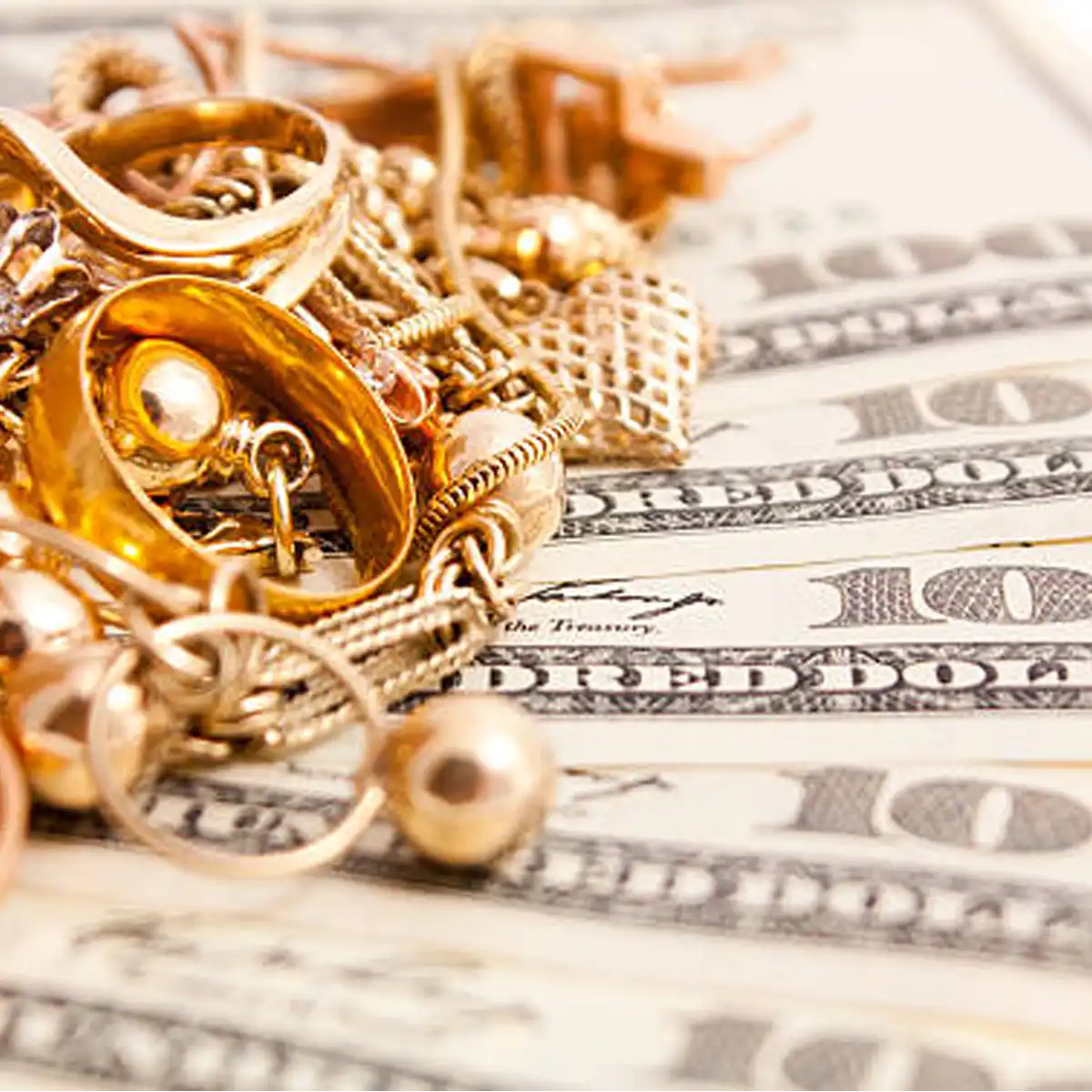
Public-facing gold buyers form a separate layer of the Hatton Garden metal market, and their pricing logic matters if you ever sell jewellery back into the trade. The uncomfortable truth is that there is usually a wide gap between retail purchase price and scrap gold value.
When a buying counter assesses a piece, it primarily looks at three things: the metal type and fineness, the total weight, and the wholesale value of any diamonds or coloured stones that can be reused or resold. Labour, design time, original retail margin and VAT are effectively written off. That is why a ring once priced at £2,000 in a branded box may yield an offer of a few hundred pounds if sold purely on its melt value.
Understanding this helps you plan. Heavy plain chains, bangles and non-branded items are usually best treated as metal transactions and offered to reputable bullion buyers. Signed pieces from luxury houses, or watches with reference numbers sought after by collectors, should instead be appraised by specialists in pre-owned jewellery and pre-owned watches, where craftsmanship, brand equity and rarity are priced in.
For buyers, the key lesson is not to expect a scrap counter to recognise or reward fine craftsmanship. Their role in the Hatton Garden ecosystem is to channel surplus metal back into the refining cycle, not to curate design. If you choose carefully when buying, you can enjoy the intangible benefits of a beautifully made piece while still knowing its gold weight provides a floor of intrinsic value.
Inside Casting Labs And Precious Metal Alloys
If refiners recover the metal, casting houses give it form. Much of the bespoke jewellery and many of the solid metal watch cases associated with Hatton Garden begin life as 3D models, wax patterns and investment moulds in specialist casting studios serving the district.
Most rely on the lost-wax method. A CAD file is converted into a printed wax or resin model, which is then invested in plaster and burned out, leaving a cavity to be filled with molten metal. Here, alloy choice is critical. Platinum remains the prestige choice for engagement rings, but it is far from straightforward to use. Traditional 950 platinum-ruthenium is beautifully workable at the bench, with a pleasant, "dead" feel that allows setters to move metal confidently around claws. However, it is viscous in the molten state and prone to porosity if casting temperatures and burnout schedules are not meticulously calibrated.
Modern 950 platinum-cobalt has risen in prominence precisely because it behaves better inside the flask. A small percentage of cobalt increases fluidity, helping excellent CAD claws and pavé settings fill cleanly and reducing the risk of porosity. It typically delivers a finer grain and a crisp surface, ideal for high-polish platinum rings. The trade-off is that cobalt-bearing platinum oxidises aggressively when heated, creating a blue-grey skin that must be removed, and its extra hardness makes delicate stone setting more demanding.
Gold alloys follow their own dividing lines. In the UK, 9ct gold, at 37.5% purity, is beloved by volume retailers but regarded cautiously in Hatton Garden for high-value bridal work. Its high base-metal content can make it brittle and more prone to tarnish, particularly when in contact with certain skin chemistries. 18ct gold, at 75% purity, offers greater density, richer colour and a more forgiving structure for setting precious stones securely over decades of wear.
White gold adds another layer of complexity. Premium alloys use palladium to bleach the gold, producing a stable grey-white tone that is naturally hypoallergenic and remains attractive as rhodium plating wears. Cheaper alloys rely on nickel or manganese and can appear yellowish without heavy plating. Regulations on nickel release have tightened, which is one reason many Hatton Garden manufacturers and retailers now guide clients towards palladium-white alloys or straight platinum when choosing white engagement rings or white metal watch cases.
Casting itself is a constant battle with defects. Gas porosity from poorly burned-out resins, shrinkage porosity where sprues freeze before the ring, and surface pitting can all undermine strength and finish. High-end casters increasingly use sophisticated burnout cycles and, for very important platinum work, hot isostatic pressing to compress the metal and eliminate internal voids. This may never be visible on the surface. Still, it helps explain why some designs that appear similar differ markedly in price.
Fun fact: London's hallmarking traditions, which protect precious metal buyers today, stretch back to the 14th century, making it one of the longest-running consumer protection systems in the world.
Hallmarking And Regulation Safeguard Your Purchase
Every serious Hatton Garden business operates under a dense web of rules designed to protect clients and the wider financial system. At the counter, the most immediate safeguard you will encounter is the hallmark.
Under the Hallmarking Act, no item may legally be described as gold, silver, platinum or palladium above certain weight thresholds unless it has been independently tested and marked by one of the four UK assay offices. A full modern hallmark carries the sponsor's mark identifying the maker or importer, a fineness mark indicating metal purity, and the emblem of the assay office that carried out the testing. Optional date letters add proper provenance. When you inspect the inside of an 18ct gold engagement ring or the clasp of a platinum bracelet, you are reading a short but powerful legal statement.
Lighter pieces are exempt below specific gram limits, which is why tiny studs or delicate pendants may not carry full marks. However, every dealer must display an official notice explaining the hallmarking system, and failure to do so is a criminal offence. Reputable Hatton Garden retailers take pride in this transparency, happily walking clients through the marks on a loupe to build confidence in both metal content and origin.

Regulation does not end there. Because precious metals can be used to launder illicit funds, businesses accepting large cash payments fall into a High Value Dealer regime with obligations to register, verify customer identity, maintain records and report suspicious activity. In practical terms, this has pushed serious bullion and high-ticket jewellery transactions towards bank transfer and away from anonymous cash, making the market safer for legitimate clients.
Sanctions on Russian-origin gold and diamonds have added another layer of due diligence. Dealers must be able to demonstrate that newly supplied bullion and set goods fall outside prohibited categories or pre-date the relevant cut-off dates. For the end buyer, these controls mean that the metal and stones in a Hatton Garden purchase are increasingly likely to have been traced and documented through compliant supply chains, particularly where ethical gold or responsibly sourced diamonds are requested.
Bullion Tax Rules Every UK Buyer Should Know
Alongside finished jewellery, Hatton Garden remains a favoured location for private clients acquiring physical bullion. Here, UK tax rules create a striking divide between different metals and formats.
Investment gold in bar form of high purity, and specific legal tender coins such as Sovereigns and Britannias, enjoy exemption from VAT. This makes gold bullion coins and gold bars attractive for UK residents who intend to hold metal over the long term. By contrast, silver, platinum and palladium bullion delivered within the UK typically incur 20% VAT, immediately putting investors at a disadvantage if they take those metals home.
To navigate this, specialist dealers offer vaulted or bonded storage in the UK or overseas, particularly for large holdings of silver and platinum. The investor owns specific weights or, in some cases, participates in an unallocated pool held in professional vaults, but does not take physical delivery, so the VAT point is deferred or never triggered. This approach suits those who view metal primarily as a financial hedge rather than as a holding.
Capital Gains Tax adds another twist. Because Britannias and Sovereigns are legal tender sterling currency, gains realised on their sale fall outside CGT. In contrast, profits on many bars and foreign coins do not. For UK residents considering metal as part of a wider wealth strategy, a carefully chosen mix of CGT-free gold coins and allocated or unallocated accounts can offer greater flexibility than simple bar purchases.
For engagement ring and luxury watch buyers, this may sound abstract, yet it frames the price environment in which retailers operate. High bullion values feed directly into the cost of heavy platinum cases, solid gold bracelets and bold signet rings. A basic grasp of these tax mechanics makes it easier to understand quotations, especially when comparing pieces with very different metal weights or fineness.
Platinum, Gold, And Ethical Trends In Engagement Rings
Consumer preferences are reshaping how metals are used in Hatton Garden, especially in bridal jewellery and high-value pieces worn daily. Several trends are particularly relevant if you are choosing a vital ring or watch.
First, the rise of lab-grown diamonds has shifted budgets. Many clients now spend significantly less on the centre stone than they would have for a natural diamond of equivalent size and quality, freeing funds to invest in better metal. In practice, this often means opting for platinum rather than 18ct white gold, thicker shanks, more substantial settings and bolder design choices that enhance longevity. When the savings on the stone run to tens of per cent, the incremental cost of platinum becomes easier to justify.
Second, the price relationship between gold and platinum has changed. Where platinum was once perceived as the more expensive option purely by weight, recent years have seen gold prices surge while platinum has lagged. Though platinum's greater density and more demanding workmanship still influence the final ticket price, there are many situations where a platinum engagement ring offers equal or even better value than a comparable piece in white gold. Platinum's natural whiteness, high purity and lack of plating requirements make it especially attractive for clients who want minimal maintenance over decades.
Ethical provenance is the third major driver. Hatton Garden workshops increasingly work in recycled gold as standard, often supported by membership of bodies such as the Responsible Jewellery Council. Some retailers go further, offering Fairtrade gold or Fairmined options from accredited small-scale mines, allowing clients to support specific social and environmental standards. When combined with recycled or traceable platinum and carefully sourced stones, an engagement ring can express values as clearly as it expresses style.
Vintage and antique jewellery adds yet another dimension. Shops using the VAT Margin Scheme pay tax only on their profit, not on the full sale price, which helps keep vintage engagement rings and pre-owned luxury watches competitive with brand-new items that embed full VAT. For buyers who enjoy history, craftsmanship and the character of older designs, this structure makes Hatton Garden an exciting hunting ground.
Why Hatton Garden Still Matters For Future Investors
Despite rising rents and ongoing gentrification, Hatton Garden remains a vital hub for both jewellery lovers and metal-focused investors. The district's strength lies in its dense network of interdependent specialists rather than any single flagship brand.
Manufacturing workshops still rely on nearby polishers, stone setters and casters, even if some heavier industrial processes migrate to outer boroughs or regional centres. Refiners will continue to recover metal from lemel, old jewellery and industrial sources, feeding a form of "urban mining" that sits comfortably with modern sustainability concerns. At the same time, bullion dealers update their offerings to reflect tax rules, sanctions and the shift towards vaulted storage and digital account interfaces.
For the individual choosing a significant piece, this ecosystem translates into real-world guidance. Consider platinum or high-quality 18ct alloys for engagement rings and watch cases that must endure daily wear. Look for clear, legible hallmarks and be prepared to ask who made the piece, which assay office marked it and whether the metal is recycled or Fairtrade. If you have surplus jewellery, separate brand-significant items from generic pieces before seeking quotations, and remember that metal weight sets the floor, not the ceiling, of value.
For those with an eye on wealth preservation, Hatton Garden offers more than shop windows. It provides access to investment-grade gold, CGT-efficient coins and professional storage arrangements that can sit quietly alongside more conventional portfolios. Understanding how this district's metal flows, regulations and manufacturing practices fit together allows you to make choices that serve both emotional milestones and long-term financial aims.
Seen in this way, Hatton Garden is less a single street and more a finely tuned mechanism in which every refiner, caster, trader and retailer plays a part. When you slip on a ring or fasten a watch sourced from this corner of London, you are not just wearing a beautiful object; you are wearing the end result of a sophisticated metal journey that links centuries of craft with today's financial and ethical priorities, much like a finely made movement quietly powering a watch beneath the dial.
Continue Reading
The Hatton Gazette
Delivered weekly to your inbox
Subscribe for the latest from Hatton.