June is a rare month in the gemstone calendar. It offers not one but three officially recognised birthstones that differ in origin, symbolism, appearance, and cost. These are pearl, alexandrite, and moonstone. Each stone has captivated wearers for centuries and continues to feature in both classic heirlooms and contemporary jewellery trends. From ancient spiritual meanings to their place in today's bridal markets, these birthstones represent an impressive spectrum of human history and personal identity.
Whether you are shopping for a June birthstone gift, exploring symbolism, or considering a jewellery purchase in the UK, this article provides the depth and clarity needed to make an informed choice.
The Evolution of Birthstones and How June Became a Month of Three
The concept of assigning specific gems to months of the year is not a modern marketing ploy but a tradition rooted in antiquity. As early as the first century, scholars and religious authorities linked gemstones to the twelve tribes of Israel and the twelve signs of the zodiac. These stones were originally meant to be worn in rotation throughout the year, not as a singular birth marker.
The custom evolved into a more personal practice around the eighteenth century when people began to associate a single stone with their month of birth. Over time, jewellers, religious authorities, and trade associations codified these lists for ease of marketing and spiritual guidance.
In the United States, a formal list emerged in 1912 through the National Association of Jewellers. Pearl and moonstone were both included for June. Alexandrite joined the list in 1952, reflecting its rising profile and availability. In the United Kingdom, the National Association of Goldsmiths introduced its own list in 1937, naming pearl as the primary birthstone and moonstone as an accepted alternative.
The inclusion of multiple stones for June mirrors the evolution of consumer choice and gemological discoveries. Alexandrite's remarkable colour-change property, moonstone's mystical sheen, and the enduring elegance of pearl give this month one of the broadest and most emotionally resonant selections of any birthstone category.
Why June Birthstones Offer Unique Personal and Aesthetic Choice
June's trio of birthstones offers a rare level of flexibility in both symbolism and appearance. Where most months present a single stone, June caters to a wide range of tastes and budgets. Pearl carries centuries of tradition and bridal symbolism. Moonstone is often chosen for its spiritual connotations and affordability. Alexandrite, while rare and costly, attracts collectors and those drawn to its transformational qualities.
This tripartite offering means consumers can choose a stone based on meaning, colour preference, rarity, or simply the aesthetic that best fits their identity. In the UK jewellery market, particularly in areas such as Hatton Garden and Mayfair, jewellers routinely stock or custom-source pieces reflecting all three stones, from modest freshwater pearl pendants to high-value alexandrite rings.
A Visual and Symbolic Overview of Pearl Alexandrite and Moonstone
The contrast between these three gemstones is striking, both visually and symbolically. Here is a closer look at what sets them apart.
Pearl
Pearls form within molluscs, unlike most gemstones which are mined from the earth. Their surface has an unmistakable organic lustre and comes in various shades from creamy white to black. Cultured pearls dominate the market, but natural pearls remain highly valuable and rare.
Symbolically, pearls represent purity, integrity, and calmness. They are often given to mark new beginnings, especially in weddings or christenings.
Alexandrite
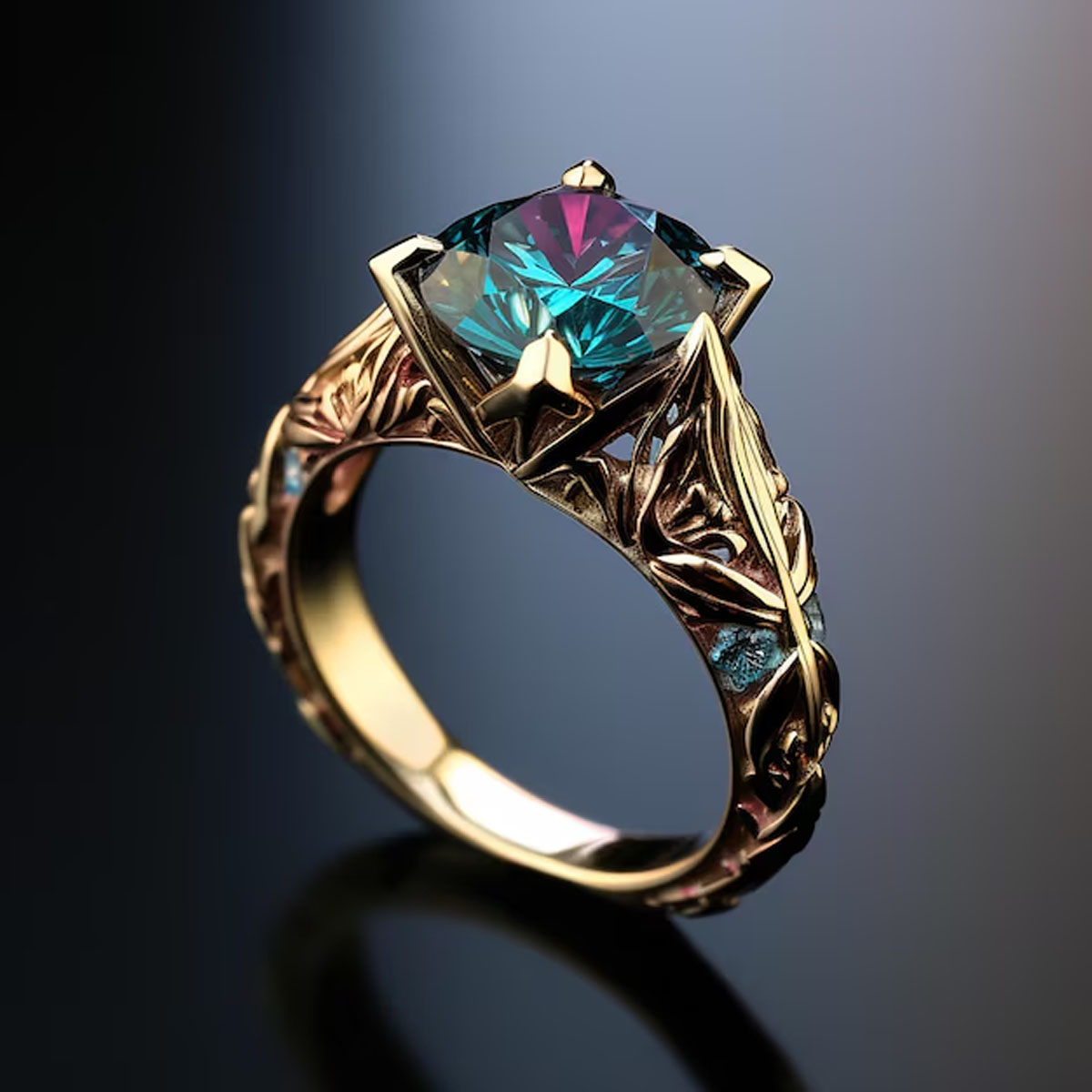
This stone is best known for its colour-change effect. In natural light, it often appears green or bluish-green. Under incandescent light, it shifts to red or purplish hues. Alexandrite is a variety of chrysoberyl and one of the rarest gemstones available today.
It symbolises transformation, adaptability, and fortune. The stone's visual change has made it a talisman for those undergoing life transitions or seeking creative renewal.
Moonstone
Moonstone exhibits a gentle glow called adularescence. This sheen is caused by the internal layering of feldspar minerals. The highest quality moonstones display a vivid blue shimmer against a colourless or pale body. Rainbow moonstones, though technically labradorite, are also prized for their multicoloured sheen.
Moonstone is associated with intuition, emotional balance, and protection. Its link to lunar mythology enhances its popularity among those who value symbolism and gentle spiritual energy.
Fun Fact: Alexandrite was discovered in Russia in 1830 and was named after Tsarevich Alexander. Its red and green hues matched the colours of the Imperial Guard's uniform, making it instantly popular in aristocratic circles.
A Comparison Table of June's Birthstones
To help readers easily distinguish between these three gems, here is a comparison of their essential traits.
| Gemstone | Traditional or Modern | Key Visual Feature | Symbolic Meanings | Hardness (Mohs) | Price Range in UK |
| Pearl | Traditional | Soft organic lustre | Purity, calmness, wisdom | 2.5 to 4.5 | £ to £££ |
| Alexandrite | Modern | Colour change effect | Transformation, creativity, fortune | 8.5 | £££ to ££££+ |
| Moonstone | Alternative | Blue or white adularescence | Intuition, balance, new beginnings | 6 to 6.5 | £ to ££ |
This table simplifies the decision-making process for anyone shopping for a June birthstone in the UK, enabling buyers to align their purchase with their values and budget.
Pearl: The Classic Choice with Contemporary Appeal
Pearls are often seen as traditional, but they continue to evolve with fashion and technology. From bridal strands to baroque pendants, they remain a central feature in UK jewellery collections.
The Basics of Pearl Formation
Unlike minerals, pearls form within living organisms. When a foreign substance enters a mollusc's soft tissue, the animal secretes layers of nacre around it. This natural defence mechanism results in a lustrous gem.
Natural pearls are now extremely rare, mostly found in antique pieces or historical collections. The overwhelming majority of pearls on the market today are cultured, produced in farms using saltwater or freshwater molluscs.
Types of Cultured Pearls
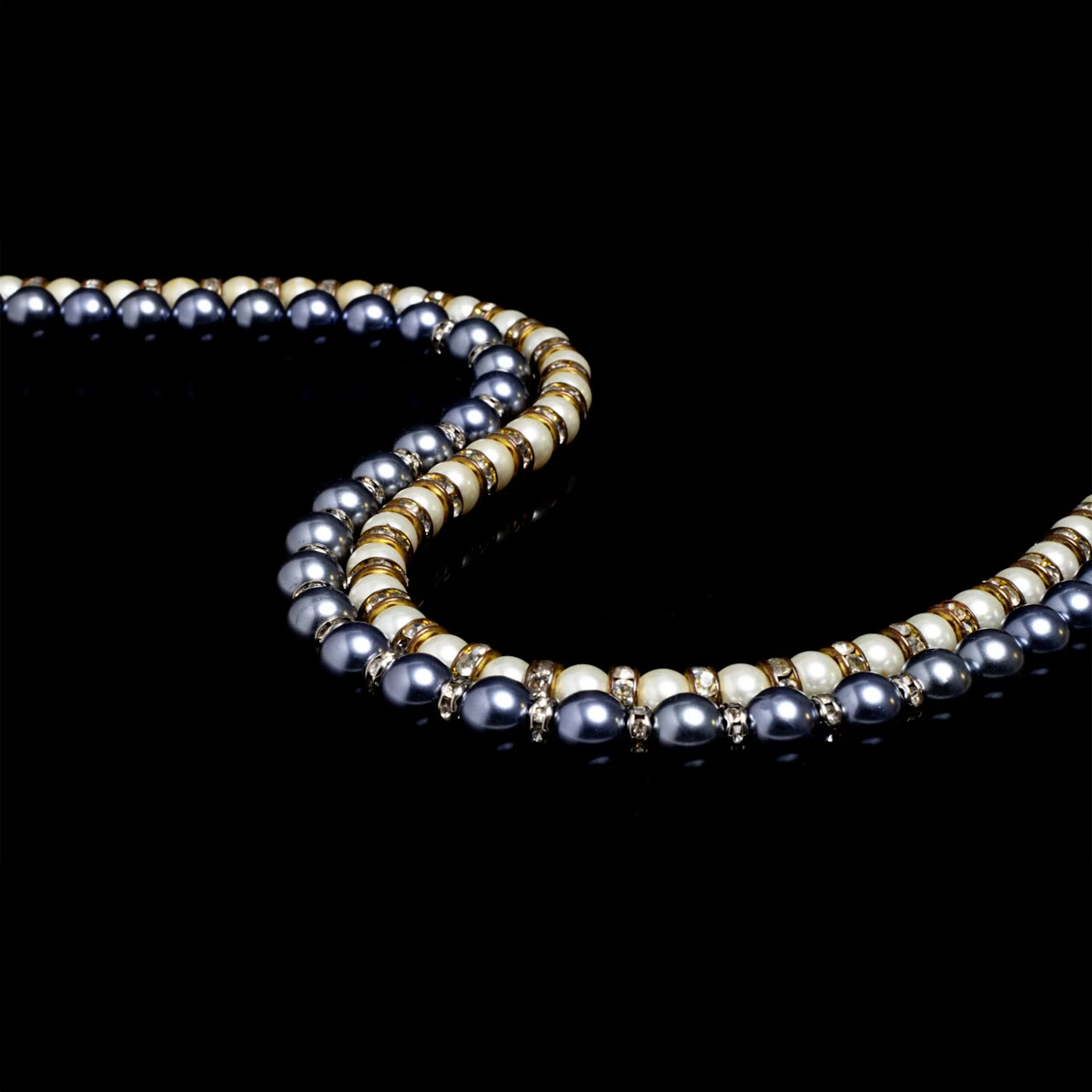
- Akoya Pearls: Cultivated primarily in Japan, known for their near-perfect roundness and brilliant white sheen. Typically seen in classic pearl necklaces and earrings.
- South Sea Pearls: Grown in Australia, Indonesia, and the Philippines, these are among the largest and most luxurious pearls, often gold or white with a soft satin finish.
- Tahitian Pearls: Cultivated in French Polynesia, famous for their dark, exotic colours such as green, blue, and grey.
- Freshwater Pearls: Widely produced in China, these are more affordable and come in diverse shapes and natural pastel colours.
Each type offers different benefits. Akoya pearls suit formal wear. South Sea pearls make luxury statements. Tahitian pearls appeal to bold tastes. Freshwater pearls are versatile and budget-friendly.
Colour and Aesthetic Appeal
Pearls can be white, cream, pink, silver, gold, lavender, and black. Their tone is influenced by the mollusc species, water quality, and nacre thickness. The GIA describes pearls in terms of body colour, overtone, and orient.
- Body colour is the dominant shade.
- Overtone refers to secondary colours appearing over the surface.
- Orient describes a subtle rainbow-like shimmer caused by light refraction.
In the UK, white and cream pearls remain popular for weddings, but there is growing interest in golden South Sea pearls and unique pastel hues among younger buyers.
Pearl Symbolism and Cultural Relevance
The symbolism of pearls is embedded in multiple traditions. They are often seen as representations of wisdom and serenity, largely due to their smooth texture and calming hue. In classical mythology, pearls were connected with Venus and the sea. In Christian tradition, they signified purity and virtue.
This depth of meaning makes pearls a preferred gift for weddings, anniversaries, and milestones. They are not just decorative but carry a sense of emotional and cultural weight, which enhances their appeal as a June birthstone.
Alexandrite: A Rare and Revolutionary Stone for June
Of all June's gemstones, alexandrite stands apart for its rarity and its astonishing ability to change colour depending on the light. First discovered in Russia's Ural Mountains during the nineteenth century, it was named after the future Tsar Alexander II. Its red and green hues matched the colours of Imperial Russia, making it an instant symbol of prestige.
The Science Behind the Colour Shift
Alexandrite is a variety of chrysoberyl, coloured by trace amounts of chromium. Its internal crystal structure causes it to absorb and reflect light in a way that dramatically alters its appearance under different lighting conditions.
- Daylight or fluorescent light brings out shades of green or bluish-green.
- Incandescent light, such as candlelight, reveals red, purplish-red, or raspberry tones.
This remarkable feature is referred to as the alexandrite effect. The stronger the contrast between the colours, the more valuable the stone. Stones with a sharp transformation and vibrant tones on both ends of the spectrum command the highest prices, particularly when larger than one carat.
Origin and Availability
The original Russian mines are now nearly exhausted, making older Russian alexandrites incredibly rare. Today, significant sources include:
- Brazil produces stones with a dramatic colour change and good clarity.
- Sri Lanka, where stones are often larger but may have a softer shift in colour.
- Tanzania and Madagascar, with newer finds of fine quality.
- India, where production is smaller but consistent.
Most jewellery-grade alexandrites on the market are under one carat. Larger, cleaner stones with a pronounced colour change are increasingly rare and often sold at auction or through specialist dealers.
Symbolism of Alexandrite
With its ability to shift form and character, alexandrite has long been associated with change, duality, and adaptability. It symbolises creativity, resilience, and alignment between the inner and outer self.
In Russian tradition, it was considered a talisman for good fortune. In modern contexts, it is seen as a powerful emblem for those undergoing life transitions. Its metaphysical associations include emotional balance, sharpened intuition, and insight.
Alexandrite in UK Jewellery
Due to its rarity, alexandrite is less commonly seen in mainstream UK jewellery stores, but it is available through high-end jewellers and bespoke commissions. Reputable sellers in Hatton Garden, Bond Street, and select online retailers can source certified stones.
Buyers are strongly advised to seek gemstones with documentation from trusted laboratories such as GIA or SSEF, as the market contains both high-quality synthetics and misleading simulants. Genuine alexandrite should show a clear colour change and minimal inclusions.
Moonstone: The Ethereal and Affordable Option
Moonstone offers something different from the opulence of pearls and the rarity of alexandrite. It enchants with its soft glow and metaphysical connotations, making it a frequent favourite among spiritual seekers, artists, and minimalist jewellery lovers.
What is Adularescence
The signature feature of moonstone is adularescence. This is an optical effect caused by layers of feldspar minerals within the stone. As light passes through, it scatters and produces a bluish or silvery glow that seems to float just beneath the surface.
High-quality moonstone displays this effect clearly against a transparent or translucent body. Most moonstones are cut into cabochons to emphasise this floating sheen. The most prized stones are from Sri Lanka and exhibit a strong blue adularescence.
Origins and Sources
The finest moonstones are typically mined in:
- Sri Lanka produces stones with a striking blue sheen.
- India, offering soft white or peach-toned varieties.
- Madagascar, now a major source of high-grade material.
Other sources include Myanmar, Brazil, and parts of the United States. Rainbow moonstone, which is technically a form of labradorite, comes mainly from India and Madagascar.
Symbolism and Spiritual Significance
Moonstone is often linked to femininity, the moon, and the emotional tides of life. It is believed to encourage intuition, protect travellers, and support emotional healing. Its associations with lunar deities across multiple mythologies give it a rich symbolic foundation.
Wearing moonstone is said to help the wearer remain calm during times of emotional stress or personal growth. It is frequently used in meditation, dream work, and intention-setting jewellery.
Popularity in UK Jewellery
Moonstone has long been a staple of vintage and bohemian designs. In the UK, it is especially prominent among artisan jewellers and in online platforms where handcrafted or symbolic jewellery is popular.
Designers favour settings in sterling silver, rose gold, and mixed metals. Its low-to-moderate price point also makes it accessible, particularly for younger buyers or those drawn to gemstone symbolism over investment value.
Care and Maintenance of June Birthstones
Given their diverse origins and structures, the three June birthstones each require different approaches to care.
Pearl Care
- Avoid chemicals: Perfume, hairspray, and lotions can damage the surface.
- Store separately: Use soft cloth pouches or boxes to prevent scratches.
- Keep slightly moist: Pearls can dry out and crack in airtight conditions.
- Clean gently: Wipe with a damp cloth after wearing. Avoid ultrasonic cleaners.
Alexandrite Care
- More durable: With a Mohs hardness of 8.5, it resists scratches.
- Still fragile: Avoid sharp blows and temperature shocks.
- Clean with care: Warm soapy water and a soft brush are recommended. Avoid strong acids or ultrasonic machines unless the stone is securely mounted.
Moonstone Care
- Relatively soft: With a hardness of 6 to 6.5, it can scratch easily.
- Sensitive to shock: Avoid dropping or knocking against hard surfaces.
- No heat or steam: Adularescence can be disrupted by heat.
- Best cleaned with warm, soapy water and a soft cloth.
Proper care not only maintains the appearance of these gems but also preserves their sentimental and monetary value.
Which June Birthstone Should You Choose
The decision ultimately comes down to personal style, budget, and symbolism.
- Choose pearl for timeless elegance, bridal traditions, and a connection to purity and calm.
- Select alexandrite if you seek rarity, uniqueness, and the symbolism of transformation and balance.
- Opt for moonstone for affordability, spiritual resonance, and a soft, ethereal glow.
Each option offers something deeply personal. Whether you are choosing for yourself or searching for a meaningful June birthstone gift in the UK, the trio offers unmatched versatility.
The Legacy and Future of June's Gems
What makes June exceptional is not just the variety of its birthstones but the depth they carry. They span continents and cultures, from ancient pearl divers in the Arabian Gulf to Russian aristocrats wearing alexandrite in imperial courts. Today, they continue to grace the collections of jewellery designers and collectors across Britain.
The enduring relevance of these gems lies in their capacity to represent not just a birth month, but identity, transition, femininity, intuition, and elegance. Whether you are drawn to a pearl choker for a summer wedding, an alexandrite ring for a personal milestone, or a moonstone pendant as a talisman for the future, June's birthstones remain as meaningful today as they have ever been.
This article is part of our complete guide to birthstones and meaningful jewellery for every month.
Continue Reading
The Hatton Gazette
Delivered weekly to your inbox
Subscribe for the latest from Hatton.