Antique and vintage jewellery carries a sense of history that modern pieces rarely match, and few places celebrate it quite like Hatton Garden. London's historic diamond quarter in EC1N, threaded between Greville Street, Leather Lane and Chancery Lane, has traded fine jewellery for generations, so understanding the main style eras helps you appreciate the craftsmanship and value of any piece you find here. From Georgian craftsmanship to the geometry of Art Deco, each period reflects the taste, technology and society of its time. Whether you are a first-time buyer or a seasoned collector exploring the workshops near Farringdon, knowing these eras gives you a sharper eye and a deeper connection to the jewellery you wear.
Georgian and Victorian foundations
The Georgian era ran from 1714 to 1835, spanning the reigns of four kings. Pieces from this period were largely handmade in 18-carat gold or silver, with grand, regal designs drawing on French 17th-century influences. Coloured gems and bold jewels defined the look, and surviving examples are scarce, which makes genuine Georgian work highly collectable. You can explore similar craftsmanship among the antique jewellery specialists in the quarter.
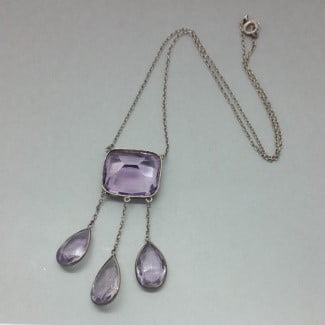
The Victorian era followed from 1835 to 1900, shaped by Queen Victoria's own love of fashion. Early Victorian pieces were romantic and sentimental, rich with floral motifs and colourful stones such as rubies, emeralds and amethysts. After Prince Albert's death, sombre black mourning jewellery became prominent, lending a bold, dramatic character to the period.
Edwardian elegance and Art Deco geometry
The Edwardian era, from 1900 to 1915, prized elegance and refinement. Diamonds and platinum dominated high society, and long pearl sautoirs ending in tassels were a signature flourish. The lightness of platinum allowed delicate, lace-like settings that still feel sophisticated today.
Art Deco, spanning 1915 to 1935, brought a modern, geometric and minimalist attitude. Clean lines, symmetry and stacked bracelets reflected a confident new spirit. Many contemporary jewellery designers still draw on Art Deco proportions, which keeps the style perennially fresh.
Retro glamour and how to buy with confidence
The Retro period, roughly 1935 to 1950, took its cues from Hollywood glamour. Bold, dramatic designs featured sunbursts, bows, flowers and motifs such as ballerinas and horses, often in warm yellow and rose gold.
When buying antique or vintage pieces, ask about provenance, hallmarks and condition. Reputable jewellers near Holborn and Camden can arrange independent assessment, and any significant stone is best supported by certification from the GIA or IGI. A piece with clear documentation and a London Assay Office hallmark gives you both reassurance and lasting value.
Fun fact: Georgian jewellers often set diamonds in closed-back settings lined with foil to boost sparkle in the dim glow of candlelight.
Continue Reading
The Hatton Gazette
Delivered weekly to your inbox
Join 12,000+ Hatton insiders