To commission a piece of bespoke jewellery is to turn a private idea into something you can wear. It is a way to mark a commitment, a milestone, or a part of your identity with precision and care. Many people assume that bespoke equals opaque or unaffordable. In practice, the opposite is true when you know how the process works and who you are working with. This guide sets out a clear route from first conversation to finished heirloom so you can brief a maker with confidence and keep complete control of cost, quality, and style. It also explains why Hatton Garden jewellers offer a unique advantage in the UK, thanks to the district's dense network of craftspeople and suppliers. By the end, you will understand each stage, the choices that change price and performance, and the checks that guarantee quality. Commissioning a unique jewel becomes less about risk and more about collaboration that respects your budget and elevates your taste.
Understand why Hatton Garden is London's home of bespoke jewellery
Hatton Garden earned its status through centuries of making and trade. Workshops, stone dealers, casters, setters, polishers, and independent designers work within a short walk of one another. This proximity reduces friction and time while raising accountability. A designer can sit with a setter to refine a claw profile, step next door to view diamonds from a merchant, then walk the model to a caster. The result is quick iteration, fewer handoffs, and pricing that accurately reflects workshop realities instead of flagship store expenses, providing the client with direct access to the creators and transparent decision-making at every stage. Many pieces that end up in luxury boutiques began life on these benches. When you commission in Hatton Garden, you buy into a live ecosystem rather than a marketing concept.
How the bespoke process works from idea to finished piece
The process is structured to remove uncertainty and to keep you involved at each checkpoint. It moves from discovery to design, from digital model to physical prototype, then into precious metal and final finishing.
Consultation. Your maker learns about your style, lifestyle, and budget. Bring reference images, notes, or an heirloom you want to reimagine. You do not need a finished drawing. A good designer translates taste and story into workable options and explains trade-offs in plain language.
Design development with CAD. Computer-aided design turns sketches into a precise 3D model. You can view the ring from every angle, check band thickness, setting height, and prong style, and adjust details before any metal is used. This stage protects your budget by preventing guesswork.
Prototype review. A wax or resin model is printed to scale. Trying it on reveals proportion, comfort, and profile in real life. This is the moment to request structural changes, such as a lower setting or a slightly wider band.
Making and finishing. Once approved the piece is cast or hand fabricated, stones are set by hand, then the jewel is polished through multiple stages to reach its final lustre. Before collection, it is tested and hallmarked by a UK Assay Office, which guarantees metal purity by law.
Fun fact: The leopard's head hallmark has identified precious metal tested in London for centuries and remains the symbol of the London Assay Office today.
Choose materials that fit your style and life
Your choice of metal shapes look, weight, durability, and maintenance. In the UK the core options are gold alloys, platinum, and palladium. Purity is expressed in parts per thousand and appears in the hallmark.
9k gold 375. Hard and resilient with a paler yellow. A practical choice for daily wear at an accessible price. Some alloys may include nickel, so sensitive skin should confirm nickel-free.
14k gold 585. A strong balance of hardness and colour. Suits active lifestyles and holds finishes well.
18k gold 750. Rich yellow and the luxury standard. Softer than 9k or 14k yet durable enough for everyday use. The higher gold content lowers allergy risk.
Platinum 950. Naturally white, dense, and hypoallergenic. Scratches move metal rather than removing it, leading to a soft patina that many clients like. Excellent for platinum engagement rings and diamond settings.
Palladium 950 or 500. White, light, and hypoallergenic. Holds colour without rhodium plating. A close visual to platinum with less weight on the hand.
Pick the metal that suits both the design and the way you will wear it. A slim, delicate ring in 18k looks rich and refined. A piece for heavy daily use may benefit from 14k or platinum for extra strength. Ask to see like-for-like samples so you can feel the weight and see the colour on the skin.
How to judge diamonds with confidence
The 4Cs give a shared language for quality. They work best when read together rather than in isolation.
Cut. Cut controls light performance and is the most visible driver of beauty. Prioritise Excellent or Very Good cut grades for round diamonds and well-executed proportions for fancy shapes. A well-cut diamond looks bright and lively even at a modest size.
Colour. D to F is colourless. G to J is near colourless and often looks white once set, especially in yellow or rose gold. View stones in neutral light and compare side by side.
Clarity. Inclusions are natural features. VS and many SI stones appear clean to the naked eye. Confirm eye cleanliness at your viewing distance rather than chasing a certificate line.
Carat. Carat measures weight. Price jumps at common thresholds such as 1.00. Consider sizes just below a threshold for better value.
Fluorescence. Blue is often neutral in appearance. Review in daylight if noted on the report and choose by how it looks rather than by the label alone.
Ask for a grading report from a respected laboratory such as GIA or IGI for both natural and lab-grown diamonds. Cross check report numbers on the laboratory website before purchase. This is quick and gives peace of mind.
Coloured gemstones that perform beautifully
Sapphire and ruby from the corundum family score 9 on the Mohs scale and suit daily wear. Sapphire offers blue through pink, yellow, and teal. Ruby brings saturated red that reads strong even in low light. Emerald has a distinctive green and a softer structure, so protective settings such as bezels or low profiles make sense for everyday rings. Spinel, aquamarine, and topaz offer vivid colours, good hardness, and excellent size for a budget-friendly option. Always ask about any treatments and care needs. View stones in natural light as well as under spot lighting to judge true character.
Natural and lab-grown diamonds compared clearly
Lab-grown diamonds are real diamonds made using HPHT or CVD technology. They share the same crystal structure, optical behaviour, and hardness as mined stones. The difference is origin. Lab-grown pricing is usually lower for the same size and grade, which lets clients choose a larger centre or higher clarity and colour within a fixed budget. Both natural and lab-grown stones can be certified. Choose the option that fits your values and priorities. If origin story matters most, a natural diamond offers geological rarity. If size, precision, and controlled provenance matter most, a laboratory-grown stone is a strong choice. Either way insist on clear disclosure and a modern grading report.
Guarantees of quality you can verify
The UK hallmark is a legal test of metal purity. Look for the sponsor's mark, the fineness number such as 750 or 950, and the Assay Office symbol. For diamonds and coloured stones request documentation that states any treatments and the laboratory grading. For ethical standards ask your jeweller about membership in recognised trade bodies and how they vet suppliers. Many makers now use recycled precious metals and offer traceable stones with laser inscriptions that link to digital records. These steps build trust you can check rather than claims you must take on faith.
Making methods that affect look and longevity
Two routes dominate modern fine jewellery. Most pieces use one or a mix.
Lost wax casting. A 3D printed model is encased in investment, the pattern burns out in a kiln, and molten metal fills the cavity. Casting excels at organic curves and complex forms and keeps costs efficient for sculptural designs.
Hand fabrication. The goldsmith starts with sheet and wire and builds the piece by sawing, forming, soldering, and filing. The metal work hardens during shaping, which can increase strength and produce very crisp edges. This approach suits classic, architectural designs and parts that need maximum toughness, such as fine claws.
A hybrid method is common. The body may be cast for shape while the setting is hand-built for strength and precision.

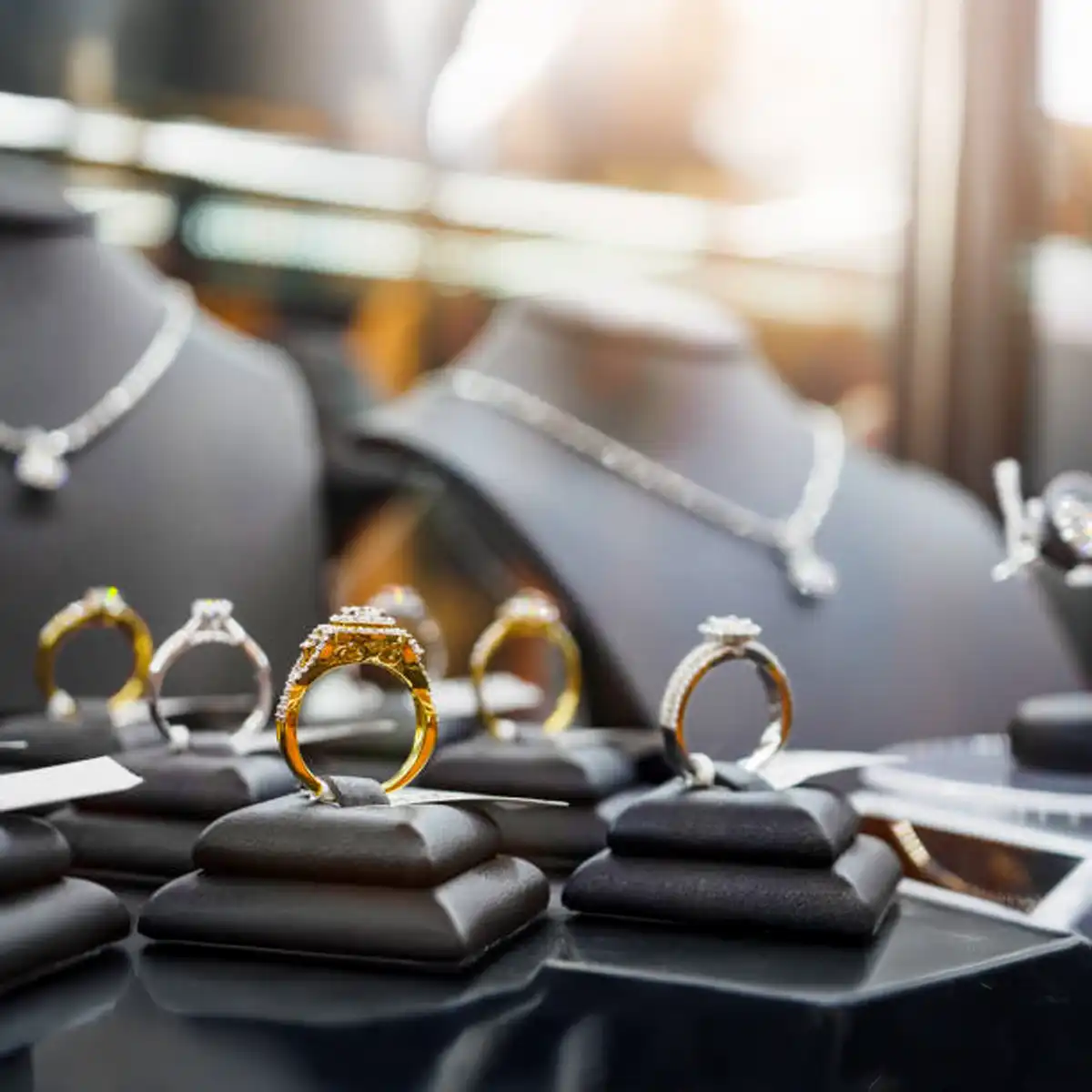
Settings that balance security and shine
Your setting controls both look and safety. Pick with lifestyle in mind.
Bezel and flush. Metal surrounds the stone or sits it level with the surface. These styles protect edges and resist snagging. Ideal for active use.
Prong. Classic claws maximise light return and sparkle. Keep profiles neat and check that tips fully cover stone corners. Lower the head if you wear gloves or knitwear often.
Channel and pavé. Rows of small stones give a continuous sparkle. Ensure clean seat cuts and smooth edges to avoid catching. Ask how the stones will be supported under the surface.
Timelines aftercare and realistic expectations
A typical commission runs 4 to 8 weeks from first meeting to collection. Complex builds or sourcing rare stones can take longer. Once you have the piece, clean it regularly with warm water, mild detergent, and a soft brush. Schedule a professional check once a year to confirm settings remain tight and to refresh polish as needed. Keep documents together, including any grading reports and the insurance valuation.
Budget levers that keep costs transparent
Four inputs drive price. Metal choice and weight. Gemstones by quality and size. Labour based on complexity and hours. Design features that add time, such as fine pavé or engraving. Use these levers to control spend.
Pick the right metal. 14k or 9k reduce cost and increase scratch resistance compared with 18k. Platinum costs more by weight but brings strength and a natural white colour.
Prioritise the centre. Most of the visual impact sits in the centre stone. A lab-grown centre can deliver a larger face-up size for the same budget.
Design for impact. Halos, tapered shoulders, and pavé bands create presence without pushing carat weight. Thoughtful proportions beat raw size.
Remodel wisely. Reset heirloom stones or recycle existing gold for credit. This preserves sentiment and reduces material spend.
Ask for a written quote that separates materials and labour. Confirm revision points and what is included before work begins.
Your legal rights and protections in the UK
Under the Consumer Rights Act 2015, goods must match description, be of satisfactory quality, and be fit for their intended purpose. This applies to bespoke pieces. If an item fails on these grounds you can seek a repair, replacement, or price reduction. Note that bespoke and personalised items are usually exempt from the standard 14 day cooling off period for distance sales. Once you approve the design and work starts, deposits are typically non refundable because material and labour costs are incurred. Read and keep terms in writing and ensure they set out design sign off stages, payment schedule, and cancellation rules.
Trends shaping bespoke commissions in 2025
Clients are choosing pieces that feel personal, durable, and responsible. Yellow gold has returned to the foreground, often paired with a platinum head to enhance a diamond's whiteness. The timeless solitaire engagement ring holds steady while three-stone rings and modern halos grow as clients seek symbolic designs and visual appeal. Oval and cushion shapes have moved into the mainstream for their elegant proportions and generous face up look. Many couples pick lab-grown diamonds or traceable coloured stones and request recycled metals. These choices reflect a broader shift toward verifiable ethics and lasting design over transient hype.
Your Hatton Garden commissioning checklist
Prepare for the consultation. Bring images, notes, or pieces you love. Bring any stones or metal to reuse. Set a budget range before you arrive.
Questions to ask. How do you take a design from idea to metal? Which parts are made on-site? How do you source stones and metal, and how do you evidence ethical standards? How will costs be quoted, and at which stages will I sign off? What are your policies on revisions, deposits, and cancellations? What warranty and service do you offer?
Assessing CADs and prototypes. Check band width, thickness, and setting height from all views. Confirm prong count and style. Try the prototype to judge comfort and scale. Request structural changes now rather than after casting.
Final inspection on collection. Look for a clean hallmark inside the band. Test that stones are secure. Check polish quality and engraving accuracy. Collect all documents including grading reports and the insurance valuation.
FAQs that buyers ask most
Cost of a bespoke engagement ring in Hatton Garden. Price varies with design complexity, metal, and stones. A simple 9k solitaire starts at a lower entry point while platinum and larger certified stones raise cost. The value of bespoke is control. You choose where to allocate spend.
Typical lead time for a custom ring. Most projects complete in 4 to 8 weeks. Add time for complex builds or specialist stone sourcing.
Using your own gold or diamonds. Most Hatton Garden workshops remodel with care. Stones can be unset, cleaned, and reset. Gold can be refined or credited toward the new piece.
Are lab grown diamonds a strong choice. Yes. They are real diamonds with modern certification and offer size or quality gains for the same budget. Choose based on what matters to you and ensure clear disclosure.
Changing your mind after approval. Because bespoke items are made to order, cooling off rules for standard distance sales do not usually apply. Make all major decisions before approval and keep all terms in writing.
Conclusion that brings everything together
Bespoke jewellery is not a gamble when you understand the system. Hatton Garden concentrates the skills, tools, and materials that make collaboration efficient and pricing transparent. Define your brief, test the design through CAD and prototype, select metals and stones that match your lifestyle, and utilise legal guarantees and documentation to safeguard the outcome. You end with a piece that fits like a second skin and a story you can prove. Commission with care and you create an object that will outlast trends, outlive marketing, and stand for who you are.
Continue Reading
The Hatton Gazette
Delivered weekly to your inbox
Subscribe for the latest from Hatton.