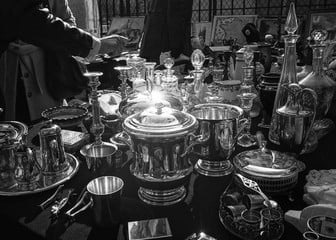
Fine silverware is a precious addition to any home, whether a set of cutlery, an ornament or a treasured keepsake. Before you invest, though, it pays to understand what you are buying and how to look after it, since the word silver can cover everything from solid sterling to a thin plated finish. Knowing the right questions to ask protects both your money and your purchase. This explainer covers how to buy silverware with confidence, from purity to hallmarks and care, with help from the specialists of Hatton Garden, London's diamond quarter.
Understanding the Silver Content
The first thing to establish is how much actual silver a piece contains. Some items are solid sterling silver, while others are merely silver plated or made from a silver-coloured alloy that combines a little silver with metals such as copper or nickel.
Looks can be deceiving, as a plated item can resemble solid silver to the untrained eye. Always ask exactly what your chosen piece is made from, so you understand its true quality and value before you buy.
Sterling silver, by definition, is 92.5% pure, the standard for fine precious metals silverware in the UK.
Checking the Hallmarks
Authentic British silver carries a hallmark, the small series of stamps that legally guarantee its purity. Learning to read these marks is the surest way to confirm what you are buying.
A full hallmark records the fineness, the maker's sponsor mark and the Assay Office that tested the piece, such as the London Assay Office, often alongside a date letter showing the year it was assayed. On antique silver, these marks also help establish age and origin.
If a piece lacks a hallmark, ask why, since genuine sterling silver above a small weight must legally be marked.
Fun fact: British silver hallmarking dates back over 700 years to a statute of 1300, making it one of the oldest forms of consumer protection still in use anywhere in the world.
Caring for Your Silverware
Silver is beautiful but prone to tarnish, so good care keeps it gleaming. Any reputable silver merchant should be able to advise on cleaning and maintenance, from the right cloths to the safest solutions for your particular pieces.
Make a note of their recommendations, since the wrong cleaner can scratch or strip a delicate finish. Storing silver in tarnish-resistant cloth and using it regularly both help keep it bright.
With the silver content confirmed, the hallmarks checked and a care routine in hand, you can buy silverware that will shine for a lifetime. The specialists of Hatton Garden are always happy to advise on both new and antique pieces.
For our most complete and up-to-date advice on this topic, read sterling silver craftsmanship for UK buyers.
Continue Reading
The Hatton Gazette
Delivered weekly to your inbox
Subscribe for the latest from Hatton.