A rose-cut diamond brings vintage romance and quiet character to a bespoke engagement ring, and Hatton Garden is the ideal place to choose one. London's historic diamond quarter in EC1N, gathered around Greville Street, Leather Lane and Chancery Lane, has the designers and goldsmiths to make the most of this distinctive cut. A rose-cut diamond sits flat on the base and rises to a domed, faceted crown, giving a soft, transparent glow rather than the fiery flash of a modern brilliant. If you want something individual that still feels timeless, the bespoke studios near Farringdon and Holborn can build a rose-cut ring around your taste and your finger.
What makes a rose-cut diamond special
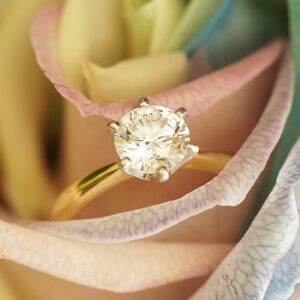
The rose cut dates from the mid-16th century and was widely used through the 1800s. Less common in jewellery today, it has become all the more sought after for its rarity. Its flat base gives designers real freedom, allowing settings that let light pass beneath the stone for an unusual, gentle sparkle.
That flexibility makes the rose cut a favourite for bespoke work. You can explore the wider world of diamonds in the quarter, then commission a setting tailored to the cut you love.
The vintage and contemporary appeal
A rose-cut diamond pairs vintage charm with a slightly bolder, chunkier silhouette, which suits anyone with a flair for individual style. The look feels at home both in heritage-inspired designs and in cleaner, modern mounts.
Because the cut is so adaptable, the best route is a bespoke jeweller who can shape the whole ring around the stone. A diamond ring built this way becomes genuinely one of a kind.
Value, size and certification
The flat base of a rose cut means the stone spreads wider for its weight, so it can look larger than its carat figure suggests. A 6mm rose cut may weigh around 0.42 carats yet appear similar from above to a heavier round brilliant, which can make your budget stretch further.
Rose cuts also offer a more transparent, understated look with a warmth many people prefer to high brilliance. Whichever stone you choose, insist on GIA or IGI certification and confirm the metal carries a London Assay Office hallmark. A short visit to a workshop near Camden or Chancery Lane lets you see the difference in person before you commit.
Fun fact: Rose-cut diamonds take their name from the way their facets spiral outward like the unfolding petals of a rose.
Continue Reading
The Hatton Gazette
Delivered weekly to your inbox
Subscribe for the latest from Hatton.