A rough diamond looks greasy and dull, closer to a lump of glass than a gemstone. Only through cutting, a precise process that can involve cleaving, sawing and laser cutting, does a stone gain the facets that let it refract light and take on the sparkle buyers recognise. Understanding the different diamond cuts is the single most useful skill when choosing a ring, because cut shapes both the look and the price of the stone. Across the showrooms of Hatton Garden in London's EC1N quarter, the same word covers two related ideas, and knowing the difference puts you in control before you ever pick up a loupe.
What the Word Cut Really Means on a Diamond
In the trade, cut carries two meanings. It describes the shape of a diamond, such as round, princess or pear, and it also describes how well a stone has been faceted and polished from the raw material. These are separate qualities, and confusing them is one of the most common mistakes a first-time buyer makes.
Shape is a matter of taste. Faceting quality, by contrast, is a measure of skill, and it determines how much light the finished stone returns. A poorly proportioned round can look lifeless, while a well-cut one of the same weight blazes, which is why two diamonds with identical paper specifications can look so different in the hand.
When you browse diamond rings in Hatton Garden, keep both ideas in mind. Decide which shape suits the wearer, then judge each candidate stone on how brightly it performs.
Why Cut Grade Drives a Diamond's Sparkle
Cut grade measures how a diamond's proportions, symmetry and polish work together to handle light, and it is the biggest single influence on sparkle. A diamond is made of facets arranged across the table, crown, girdle, pavilion and culet, and the angles between them decide whether light bounces back to the eye or leaks away through the base.
Get those angles right and the stone shows brilliance, the white light return, and fire, the flashes of colour. Get them wrong and even a large, clean diamond can look flat. This is why experienced buyers often prioritise cut over sheer carat weight.
The Gemological Institute of America grades cut on round brilliant diamonds from Excellent down to Poor, and that grade appears on the certificate. Treat a strong cut grade as the foundation of a beautiful ring, then balance colour, clarity and carat around it to suit your budget.
The Round Brilliant the Benchmark for Fire and Light
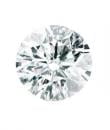
The round brilliant cut is the most popular diamond shape available today, and for good reason. Its 57 or 58 facets are engineered to maximise brilliance and fire, returning more light to the eye than any other standard shape when cut to ideal proportions.
That optical performance comes at a price. Rounds command a premium per carat, partly because more of the rough stone is lost in cutting them and partly because demand is so high. For buyers who want the brightest possible stone and a timeless look, that premium is usually worth paying.
If round sits beyond budget, several other shapes deliver striking results for less, which is where the fancy cuts earn their place in a Hatton Garden window.
Princess Emerald and the Square and Rectangular Cuts
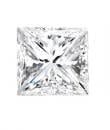
The princess cut is the most popular non-round shape, prized for its clean square outline and the brilliance packed into its facets. It suits modern settings and uses more of the rough stone than a round, so it often offers more visible size for the money.
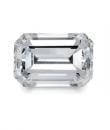
The emerald cut takes a different path. With a broad flat table, truncated corners and a step cut of long rectangular facets, it produces a restrained hall-of-mirrors effect rather than fiery sparkle. Because those open facets show inclusions more readily, buyers usually pay closer attention to clarity when choosing one.
The asscher and cushion cuts sit nearby in spirit. The asscher is a squarer step cut with deep, mesmerising lines, while the cushion softens a square outline with rounded corners for a gentle, vintage feel.
Pear Oval Marquise and the Fancy Shapes
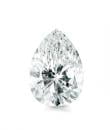
The pear cut, also called a teardrop, blends a single point with a rounded end and flatters the finger with its elongating outline. Oval and marquise cuts share that lengthening effect, making a stone of a given carat weight appear larger than a comparable round.
Elongated shapes carry one technical quirk worth knowing. Many show a faint darker zone near the centre, called the bow-tie, and its strength varies from stone to stone. A quick check under good light tells you whether a particular pear or oval handles it well.
The radiant cut completes this family, combining a rectangular or square outline with brilliant-style faceting for plenty of sparkle. Fancy shapes generally cost less per carat than rounds, so they reward buyers chasing size and individuality alike.
Heart Shaped Diamonds and Choosing a Cut to Suit the Wearer
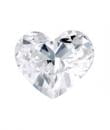
The heart shaped diamond is often considered the ultimate symbol of love, with a distinctive, instantly recognisable silhouette. Cutting one well is demanding, so symmetry matters a great deal, the two halves should mirror each other cleanly and the cleft should be sharp and defined.
Choosing a cut comes down to the wearer as much as the stone. Classic tastes gravitate to round or emerald, modern tastes to princess or radiant, and romantic or individual tastes to pear, oval or heart. Hand shape plays a part too, with elongated cuts flattering shorter fingers.
Fun fact: The marquise cut is said to have been commissioned in 18th century France to echo the smile of a royal favourite, which is why its elongated, pointed form is sometimes called the navette, meaning little boat.
Getting Your Cut Certified Before You Buy
Whichever shape you choose, certification protects the purchase. A grading report from the GIA, IGI or HRD records the stone's cut, colour, clarity and carat weight, giving you an objective benchmark rather than a salesperson's assurance. For cut especially, an independent gemmological certificate is the only reliable measure of quality.
The friendly specialists across Hatton Garden are well placed to show you the full spread of shapes side by side and explain how each performs. Comparing stones in person, report in hand, is the surest way to find the right cut, and you can read more in our overview of how to approach choosing your diamond cut.
Decide on shape with your heart, then judge cut quality with your eyes and the certificate. That balance is what turns a search through the diamond rings of London's jewellery quarter into a confident, lasting choice.
Continue Reading
The Hatton Gazette
Delivered weekly to your inbox
Subscribe for the latest from Hatton.