Few gemstones command attention quite like the ruby, July's birthstone and one of the most treasured stones to pass through Hatton Garden, London's jewellery quarter in EC1N. Prized for its deep reds and vivid pinks, the ruby has been worn as a symbol of passion and protection for thousands of years. Because large, fine specimens are rarer than many other gems, value climbs steeply with size, often more sharply than it does for diamonds, sapphires or emeralds. Whether you are shopping for a July birthday or simply drawn to its colour, the ruby remains a stone of genuine character, and the jewellers around Greville Street and Leather Lane know it well.
A rare and storied gemstone
The finest rubies of all, known as pigeon's blood rubies, come from a handful of celebrated sources, with notable deposits in Burma's Mogok Valley and in Thailand. Their saturated red has long been the benchmark against which other rubies are judged.
Old beliefs gave the ruby almost mythical status. Many cultures held that it carried the spark of life and brought good health to the wearer while guarding against ill thoughts. You can see these handsome coloured gemstones set into rings and pendants across the Hatton Garden quarter.
Choosing ruby jewellery with confidence
When buying a ruby, colour is everything. Look for a rich, even red with strong saturation, then weigh clarity, cut and carat. A well cut stone returns light beautifully and shows its colour to best effect.
Ask whether a stone has been treated, as heat treatment is common and should be disclosed. For an important purchase, a report from the GIA or IGI confirms a ruby's identity and any treatments, giving you peace of mind before you commit.
Styling rubies for every budget
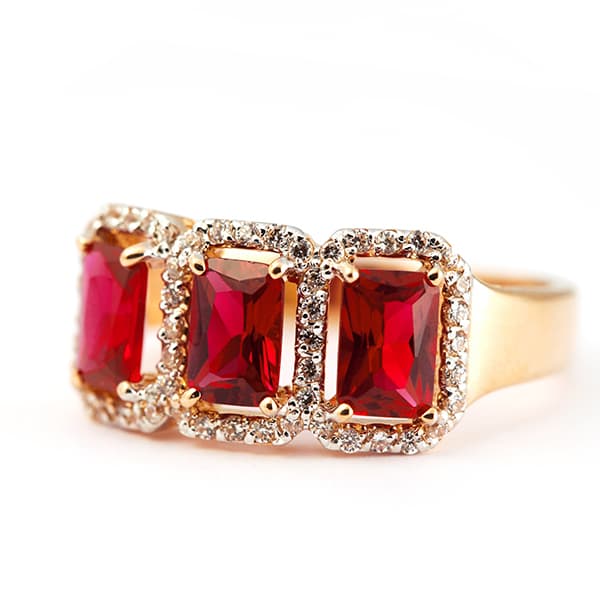
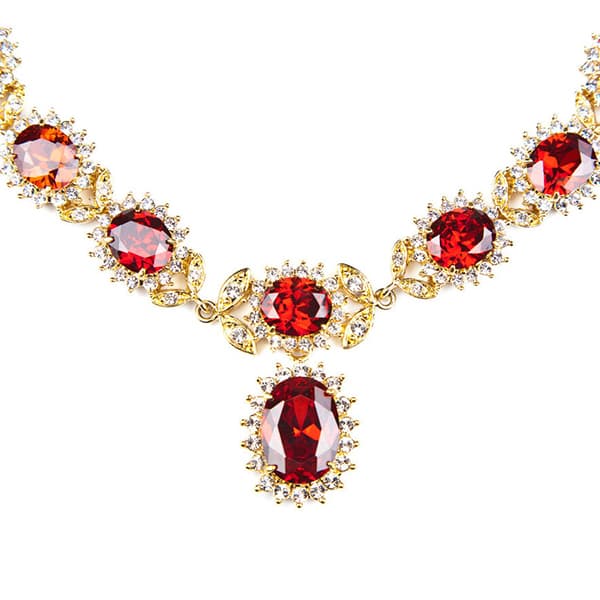
Rubies suit almost any setting. White gold and platinum sharpen their cool contrast, while rose and yellow gold warm the stone and flatter pinker hues. A ruby and diamond cluster makes a striking pendant, and three stone ruby rings remain a classic choice.
You need not spend a fortune to enjoy the stone. Smaller rubies in 9ct gold offer real colour at a gentler price, while larger, finer pieces reward those with more to invest. The Hatton Garden jewellers near Chancery Lane and Farringdon can show options across the full range.
Fun fact: The word ruby comes from the Latin "ruber", meaning red, and for centuries red spinels were mistaken for rubies in royal crowns.
This article is part of our complete guide to birthstones and meaningful jewellery for every month.
Continue Reading
The Hatton Gazette
Delivered weekly to your inbox
Subscribe for the latest from Hatton.