In recent years, the landscape of romantic commitments and the symbols that represent them have undergone a significant transformation, particularly in the UK. A fascinating shift towards lab-grown diamonds has emerged, capturing the attention and hearts of modern couples seeking to embark on their journey together. This movement isn't just about choosing a piece of jewellery; it's a reflection of deeper values and a collective step towards a more sustainable and ethical future.
Affordability and More Options
One of the most compelling attractions of lab-created diamonds is their affordability, offering young couples the chance to own more exquisite and larger pieces without the hefty price tag associated with their mined counterparts. Smith & Green Jewellers, alongside Simon Lewis Jewellers and others, have observed a skyrocketing interest in these eco-friendly diamonds, with some reporting a growth in interest of over 2,000 per cent in the last five years. This surge is not just numbers; it's a testament to a changing tide, where the dream of adorning a stunning, ethical piece of jewellery becomes a reachable reality for many.
The allure of having a broader range of options cannot be overstated. With advancements in technology, lab-grown gemstones now offer unparalleled diversity in shapes, sizes, and cuts, enabling personal expression and uniqueness in ways previously unimaginable. This variety allows couples to tailor their engagement rings to reflect their personalities and stories, making the selection process as unique as their love.
Fun Fact: Did you know that creating a one-carat lab-grown diamond can save approximately 2,200 tonnes of earth from being displaced, a common practice in traditional diamond mining?
Sustainability: A Core Value
The term "sustainable diamonds" resonates deeply with young couples today, who are increasingly conscious of their environmental footprint. Choosing a lab-grown diamond is akin to planting a tree in the garden of our planet - it's a choice that nurtures the Earth. Lily Arkwright and Harper Tait, pioneers in eco-diamonds, have been at the forefront of this green revolution, providing couples with conflict-free, guilt-free options for their engagement rings.
This shift towards sustainability is not merely about doing good; it's about feeling good. The knowledge that one's symbol of love has not contributed to ecological harm or human rights abuses adds an immeasurable layer of value to the piece. As Queensmith, a leading provider of lab-grown diamond jewellery, aptly puts it, the brilliance of a diamond should not be overshadowed by the darkness of its origins.
Shifting Consumer Values
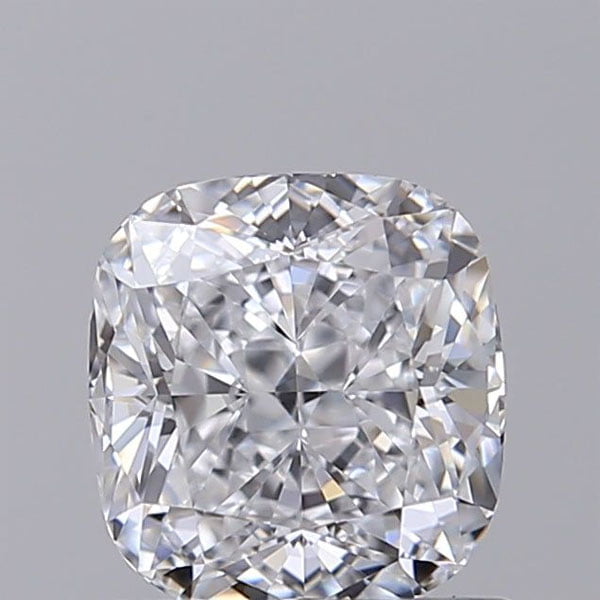
The embrace of lab-grown diamonds reflects a broader shift in consumer values, particularly among the youth. Ethical considerations now play a pivotal role in purchasing decisions, with a significant number of young couples prioritising ethical diamonds over traditional options. This change is supported by the fact that lab-grown diamonds are chemically, physically, and optically identical to mined diamonds, yet they come without the baggage of environmental and ethical concerns.
Moreover, a study of 1,500 would-be husbands and wives found that 65 per cent would prefer a lab-grown alternative, citing value for money and sustainability as their primary motivations. This data underscores a fundamental change in how value is perceived—not just in financial terms but in ethical and ecological dimensions as well.
Marketing and Education
The rising popularity of lab-grown diamonds can also be attributed to effective marketing and education strategies. Companies like Simon Lewis Jewellers and Lily Arkwright have not only marketed these gems as the smart, ethical choice but have also invested in educating the public about the benefits and virtues of lab-grown diamonds. Through engaging storytelling and transparent communication, they've managed to dispel myths and illuminate the true value of these sustainable treasures.
Best Lab-grown Engagement Ring?
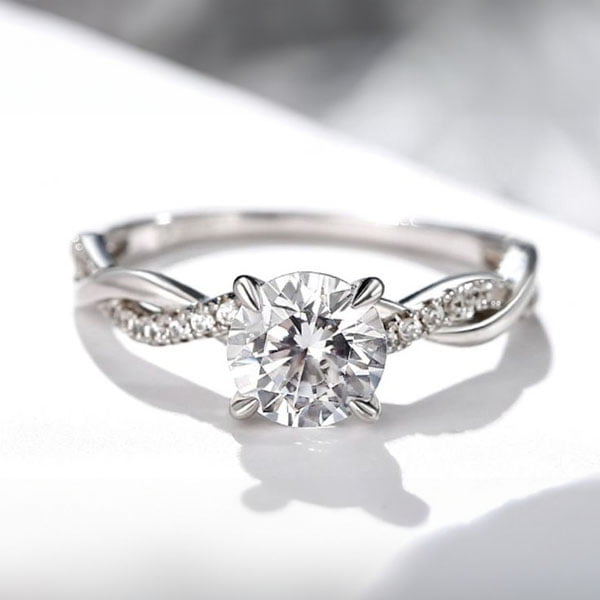
Selecting the best lab-grown engagement ring involves more than just choosing a stunning gemstone; it's about finding a piece that resonates with your personal story and ethical values. Providers like Lily Arkwright and Harper Tait have revolutionised the process, offering Diamond Certification for every piece, ensuring that your choice is not only beautiful but also backed by rigorous quality and ethical standards. This certification is a beacon of trust and transparency, guiding couples through their journey towards making a conscious choice.
Celebrity Endorsements: The Impact
The influence of celebrity endorsements cannot be underestimated in the rise of lab-grown diamonds. When beloved figures in the public eye, such as Emma Watson, Penelope Cruz, or Megan Markle, choose sustainable diamonds for their milestone moments, it sends a powerful message that resonates with fans and followers. These endorsements act as a catalyst, encouraging individuals to explore eco-friendly diamonds as a viable and glamorous option for their engagement rings. The ripple effect of such choices helps to normalise and elevate the status of lab-grown diamonds in society.
Piece of Mind of Helping the World
Choosing a lab-grown diamond engagement ring offers couples peace of mind that extends beyond the immediate joy of their engagement. It's the knowledge that their symbol of love contributes positively to the world. This decision aligns with a growing movement towards sustainability and ethical consumption, reflecting a broader desire to live in harmony with our planet. It's a testament to the fact that true luxury lies in making choices that benefit the Earth and its inhabitants.
Conclusion
The journey towards choosing an engagement ring is deeply personal and reflective of a couple's values and aspirations. The rise of lab-grown diamonds among modern couples is a clear indicator of a paradigm shift towards more ethical, sustainable, and thoughtful consumption. Through their choices, young lovers are expressing their commitment not only to each other but also to the planet. Lab-grown diamonds represent a harmonious blend of technology, ethics, and romance, offering a sparkling vision of the future that is as bright and enduring as the gems themselves.
FAQs
- Are lab-grown diamonds real diamonds? Yes, they're chemically identical to mined diamonds.
- Why choose a lab-grown diamond ring? For their ethics, sustainability, and affordability.
- Can you customise lab-grown diamond rings? Yes, they offer extensive customisation options.
- Do lab-grown diamonds have resale value? Yes, similar to mined diamonds, depending on quality.
- How do I care for my lab-grown diamond? Clean with mild soap and water; handle gently.
For our most complete and up-to-date advice on this topic, read our complete guide to lab grown diamonds in Hatton Garden.
Continue Reading
The Hatton Gazette
Delivered weekly to your inbox
Join 12,000+ Hatton insiders