Few pieces of jewellery carry as much history on a single finger as the signet ring. In Hatton Garden, London's historic diamond quarter in EC1N, the tradition of the engraved signet ring is alive in workshops along Greville Street and Leather Lane, where engravers still cut crests and initials by hand. A signet ring is an ornamental band engraved with a personal design or seal, each one steeped in the heritage of its wearer and those who wore it before. Originating in Ancient Egypt, the signet ring once stood in place of a written signature. Today it endures as a quiet statement of identity, and the quarter remains one of the finest places in Britain to commission one.
From wax seals to personal statements
In its earliest form, the signet ring was a practical tool. Pressed into wax, its engraved face authenticated documents and letters when few could write their own name. The design was unique to the owner, making forgery difficult.
The custom spread through Europe, and by the 17th century the signet ring had become both a mark of distinction and a way to seal less formal correspondence with a personal touch. Classic examples are crafted in yellow gold, though modern makers also work in a range of precious metals.
The signet ring today
Now the signet ring is worn far more often as a personal statement than as a working seal. Many are engraved with a family crest, a set of initials or a symbol that means something to the wearer.
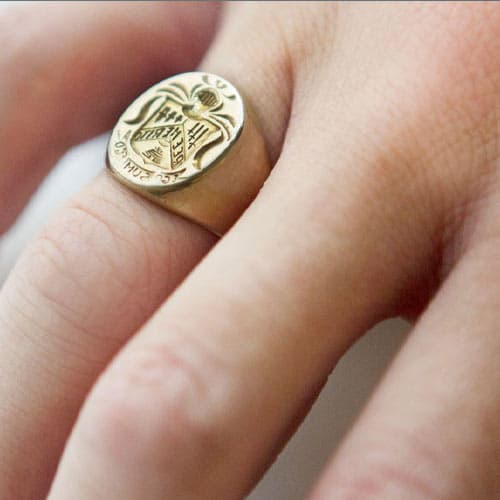
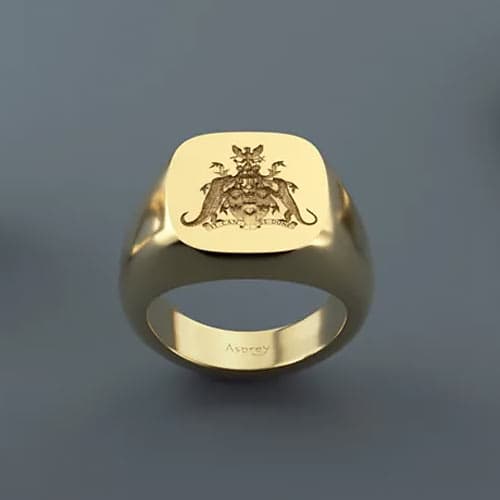
Once seen mainly on royalty and the elite, the signet ring is enjoying a broad revival. Men and women from every walk of life wear them, and they make memorable gifts for 18th and 21st birthdays or graduations. Some are set with a single stone or carry an inset gem for added character.
Commissioning a signet ring in the quarter
If you would like a signet ring of your own, the specialist jewellery engravers of Hatton Garden offer almost limitless choice of design, metal and finish. A bespoke band can be shaped to your hand and engraved to your exact wishes.
With workshops clustered around Chancery Lane, Holborn and Farringdon, you can discuss seal engraving, hallmarking at the London Assay Office and stone setting all in one visit. The result is a piece designed to be handed down for generations.
Fun fact: A traditional seal engraving is cut in reverse so the impression it leaves in wax reads the right way round.
Part heirloom, part personal emblem, the signet ring rewards careful commissioning. Visit the quarter to begin a piece that may outlast you by centuries.
For our most complete and up-to-date advice on this topic, read the signet ring: heritage, meaning and modern style.
Continue Reading
The Hatton Gazette
Delivered weekly to your inbox
Subscribe for the latest from Hatton.