Hatton Garden, London's jewellery quarter in EC1N, is home to the widest choice of dazzling diamonds in the capital, with showrooms clustered around Greville Street, Leather Lane and Chancery Lane. Yet have you ever wondered where the diamonds glittering in those windows actually begin their journey? The origins of diamonds are a remarkable story of pressure, time and geology, reaching back billions of years and across several continents. Understanding how these stones form, and where they come from, makes choosing one all the more rewarding. Before you visit the jewellers of the quarter, it is worth learning what gives a diamond its extraordinary hardness and enduring appeal.
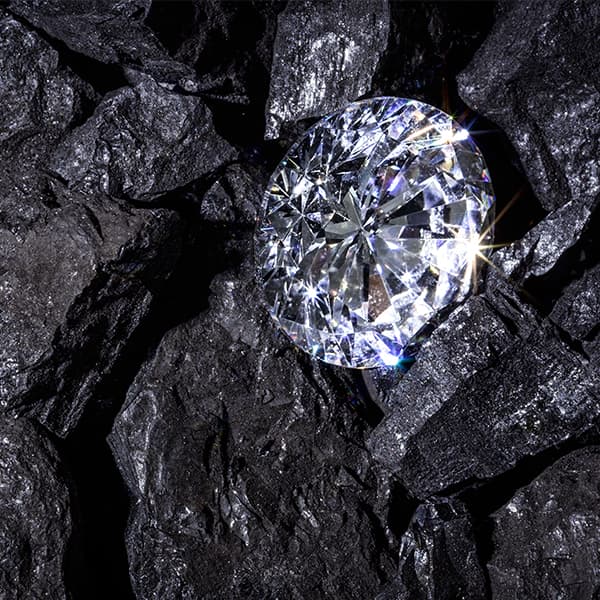
Diamonds form deep within the Earth, far below the continental crust, where intense pressure and high temperatures act on pure carbon over vast stretches of time. Geologists still debate the finer details of the process, but they agree on one thing. The diamond is the hardest natural material known, and among the most valuable substances ever found.
A journey across continents
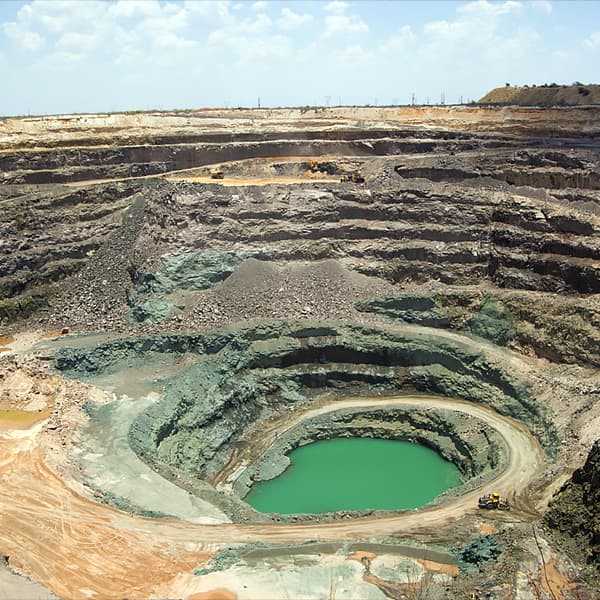
The earliest diamonds were recovered from alluvial deposits in southern India, which remained the world's primary source for centuries. That changed when large deposits were found in Brazil, and again when major discoveries in South Africa reshaped the global trade.
Today Africa remains central to diamond production, with Botswana, Namibia and South Africa among the leading nations. Canada, Russia and Australia are significant producers too. Wherever a stone originates, you can find certified diamonds in the Hatton Garden quarter.
From rough stone to gem grade
Only a small share of mined diamonds reach gem quality. The great majority serve industrial purposes such as cutting, drilling and grinding, and producing a single fine stone can require enormous quantities of ore.
This rarity is part of what makes a polished diamond so prized. A reputable jeweller will explain a stone's grading and, for an important purchase, supply a report from the GIA or IGI confirming its gemmological certification.
Why diamonds endure
The diamond's rarity, beauty and strength have long made it a symbol of lasting commitment. It is the natural choice for an engagement ring and the traditional gift to mark a 60th anniversary.
Among the welcoming jewellers of Hatton Garden, near Holborn and Farringdon, you can see some of the most elaborate and precious pieces made from diamonds sourced across the globe, each one finished by skilled hands within the quarter.
Fun fact: The oldest diamonds ever dated are thought to be more than 3 billion years old, nearly as old as the Earth itself.
Continue Reading
The Hatton Gazette
Delivered weekly to your inbox
Join 12,000+ Hatton insiders