At the northern end of Hatton Garden, where the trade in period pieces runs alongside the engagement counters, the most valuable object in a display case is often a sheet of paper. Jewellery provenance, the documented chain of a piece’s ownership and history, decides prices, settles disputes and separates a sound estate purchase from an expensive mistake. No object demonstrates this better than La Peregrina, the pearl that carried five centuries of records into a Christie’s saleroom in December 2011 and left having multiplied its 1969 purchase price more than three hundred times. This article sets out what provenance actually is, how a claim is proved in practice, where estate buyers are most often misled, and the short discipline that protects a purchase in EC1N.
A Pearl With Five Centuries of Paperwork
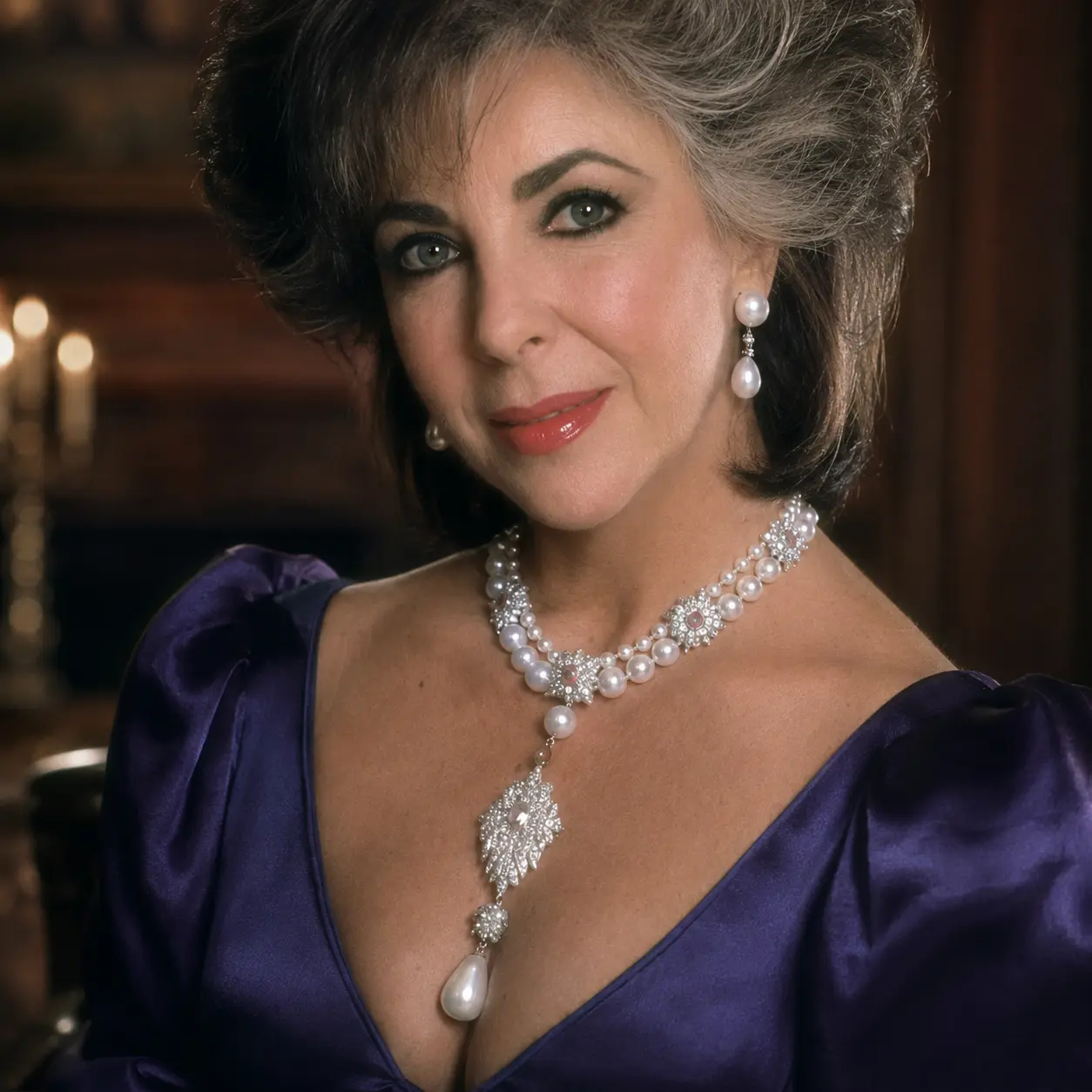
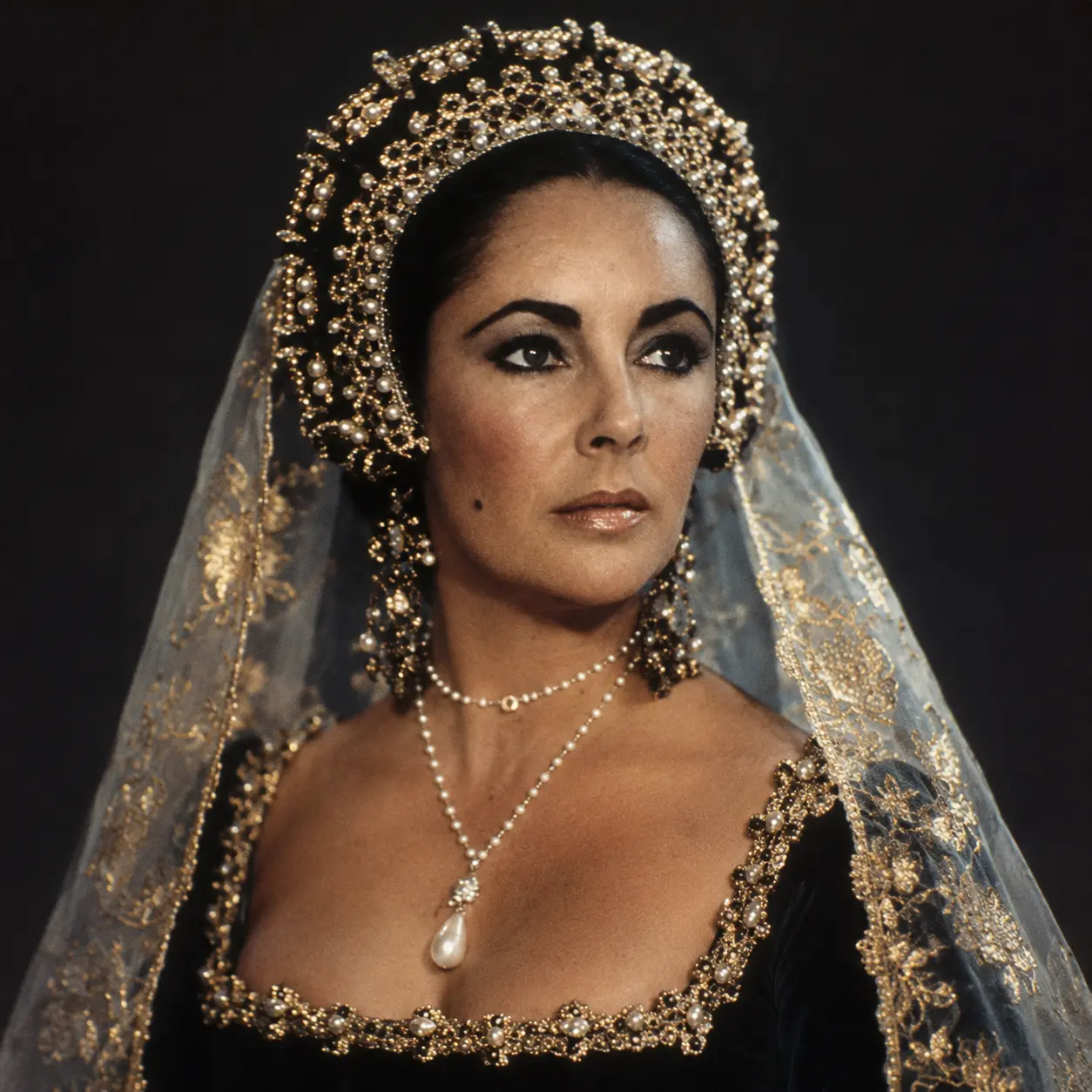
La Peregrina, Spanish for the Pilgrim or the Wanderer, is a pear-shaped natural pearl found in the Gulf of Panama in the sixteenth century, and it is the textbook case of jewellery provenance. Philip II of Spain gave it to Mary I of England on their engagement in 1554. After Mary’s death it returned to the Spanish court, where it was worn by a succession of queens and held by eight Spanish kings between 1582 and 1808, before passing through the Bonaparte family and the Dukes of Abercorn. It surfaced at Sotheby’s in 1969, where Richard Burton bought it for $37,000 as a Valentine’s gift for Elizabeth Taylor, who commissioned Cartier to design a two-strand necklace of pearls, rubies and diamonds around it.
Fun fact: Mary I of England wore La Peregrina as a pendant and a brooch, and the pearl can be seen in royal portraiture of her reign.
At Christie’s New York on 13 December 2011, the necklace sold for $11,842,500, then a record for a pearl at auction, after roughly four minutes of bidding. Portraits, court records, auction catalogues, the Cartier commission and four decades of photographs: every stage of the pearl’s journey survives on paper or canvas, and that unbroken chain is what the saleroom was pricing. The pearl did not become finer between 1969 and 2011. Its evidence became unanswerable, which is jewellery provenance doing exactly what it is for.
What Jewellery Provenance Actually Is
Jewellery provenance is the documented chain of an object’s ownership and treatment over time, supported by evidence: invoices, maker’s archives, hallmarks, laboratory reports, auction catalogues, photographs and portraits. It is not the story told across a counter. A claim without a document is a starting point for enquiry, never a fact.
The distinction matters because stories are free and documents are not. In the period trade, attribution language is graded with real care, and the three phrases that carry it are worth learning before spending anything. A piece described as by a maker carries proof, usually a signature, a numbered archive record or both. Attributed to carries informed opinion without conclusive proof. In the style of carries neither, and prices should fall as the language weakens. Asking which of the three phrases a dealer will put in writing is never rude; it is the question the trade asks itself, and the grading is not pedantry but the trade pricing its own honesty. That framework is what makes jewellery provenance checkable rather than atmospheric: each claim slots into a grade of evidence, and strong jewellery provenance raises a price for an honest reason, because it moves risk off the buyer and onto the documents.
How a Provenance Claim Is Proved
Verification runs in a practical order, and each layer is cheaper to check than the one after it. First, the paper trail: original invoices, receipts and old valuations, read for names, dates and descriptions that actually match the piece in hand, because paperwork migrates between objects more often than sellers admit. Second, the maker’s archive: the great houses keep records, and Cartier’s archive can confirm whether a numbered piece left its workshops, which is a large part of why signed period pieces command the prices they do. Third, the metal itself: a full British hallmark carries a sponsor’s mark, a fineness mark, an assay office mark and a date letter, and together they fix where and when the metal was tested. Fourth, the stones: a current laboratory report from a named house describes what is mounted today, which matters because period settings are sometimes restoned or recut during their long lives. Fifth, the public record: auction catalogues, exhibition listings, portraits and press photographs place a piece at fixed moments in time.
La Peregrina’s chain ran through all five layers, which is why the bidding lasted minutes and the doubt lasted none. Most estate pieces will honestly offer two or three of the five, and the price should reflect how many. That is the working arithmetic: a missing link is not a scandal, it is a discount, and pricing link by link is how the trade reads jewellery provenance in practice.
The Trusting Assumption That Costs Estate Buyers
Weak jewellery provenance does not announce itself. The comfortable assumption in the consumer literature is that a reputable looking setting guarantees the story that arrives with it, and the trade’s experience says otherwise in three specific ways. Reproduction quality is now high enough that design language alone cannot date a piece; what reproductions most often get wrong is the unglamorous detail, a hallmark sequence that never existed, a cutting style that postdates the claimed period, findings and fittings that belong to a later decade. Handling genuine period stock week after week is what trains the eye for those tells, which is one reason the district’s estate dealers are worth their margins.
Second, origin claims travel faster than their evidence. A stone described as coming from a famous historical source, without documentation, is a description rather than a fact, and it should be priced as a description. Third, the hallmark is routinely oversold in conversation. It certifies the fineness of the metal at the moment of testing, and that is all it certifies: not the age claims made across the counter, not the identity or treatment of the stones, and nothing whatever about previous owners. None of this makes the period market dangerous; it is one of the most rewarding corners of the trade. It simply makes jewellery provenance a discipline rather than a mood, and the discipline is precisely what the better dealers are pleased to demonstrate, because their stock survives it.

Due Diligence Before Buying Estate Pieces in Hatton Garden
The checks compress into a short routine. Ask what documents accompany the piece, and read them before admiring anything. Match the hallmark’s marks against the published assay office tables, which takes minutes and a phone. Ask which attribution phrase the dealer will put in writing on the invoice, because the invoice wording is what survives the conversation. For any significant stone, ask for a current laboratory report from a named house, or price its absence into the offer. Photograph the piece and its marks on the day of purchase, and file everything together, because jewellery provenance for the next owner begins with this one; strong jewellery provenance is the cheapest insurance the period market sells. None of these checks requires expertise, only patience, and a dealer who welcomes them without flinching is telling you something as valuable as the documents themselves.
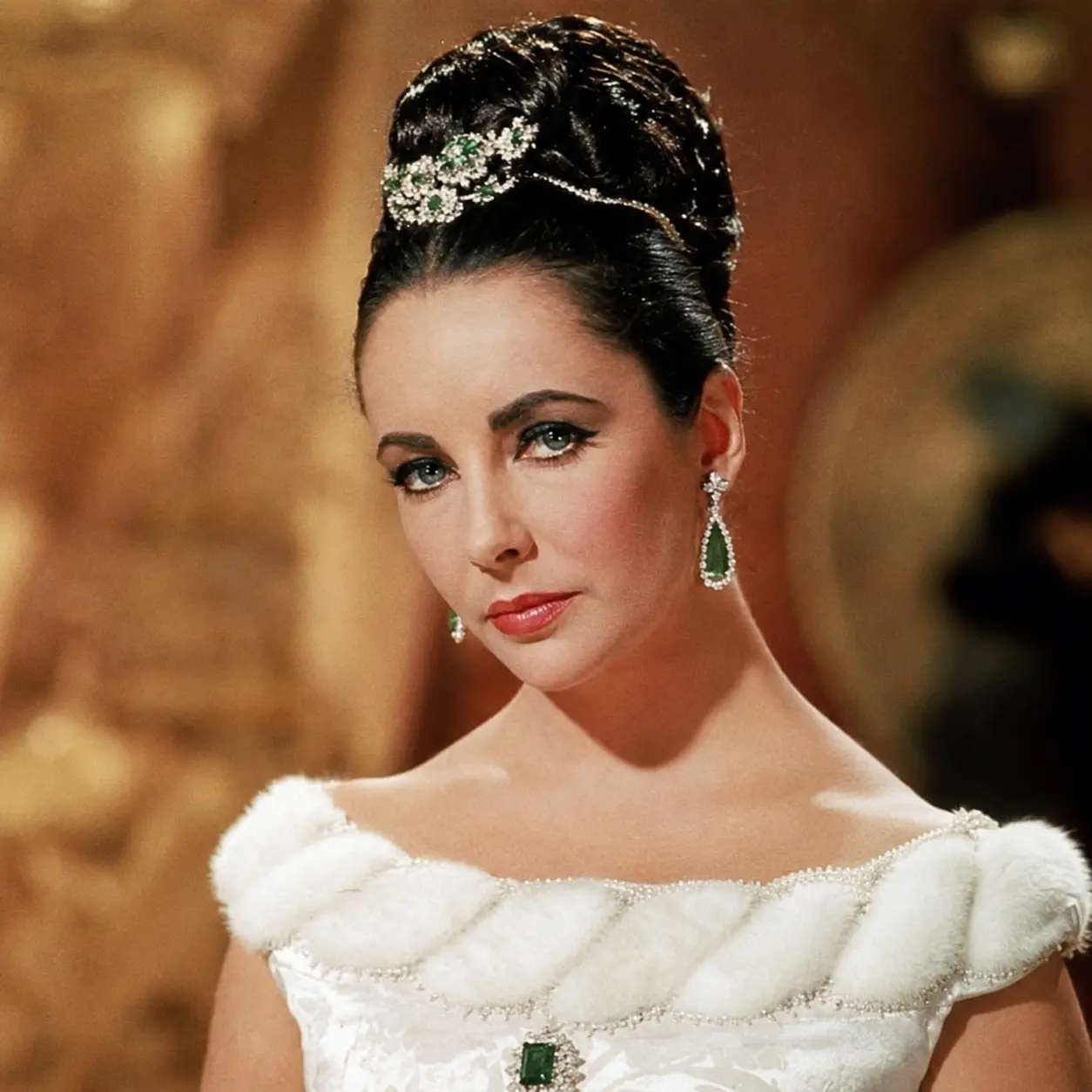
Nor is any of this antiquarian fussiness. In January 2026, Margot Robbie wore Taylor’s heart shaped Taj Mahal diamond to a film premiere on its Cartier chain, and the 2025 Cartier exhibition at the V&A sold out its public tickets before closing in November. London’s appetite for documented pieces is current and measurable, and the market prices the paper accordingly, at every level from a saleroom record to a Victorian ring in a Hatton Garden case.
Start the File the Piece Will Carry Forward
Five centuries turned a pearl into a record because every century left a receipt. The lesson for an estate buyer in this district is proportionate rather than grand: demand the documents that exist, price the ones that do not, put the attribution in writing and start the file that the piece will carry forward. Treat jewellery provenance as evidence rather than romance, and the romance, curiously, survives the scrutiny intact. The pearl still has its papers. The Victorian ring in the case on Saturday deserves to begin its own.
Continue Reading
The Hatton Gazette
Delivered weekly to your inbox
Subscribe for the latest from Hatton.